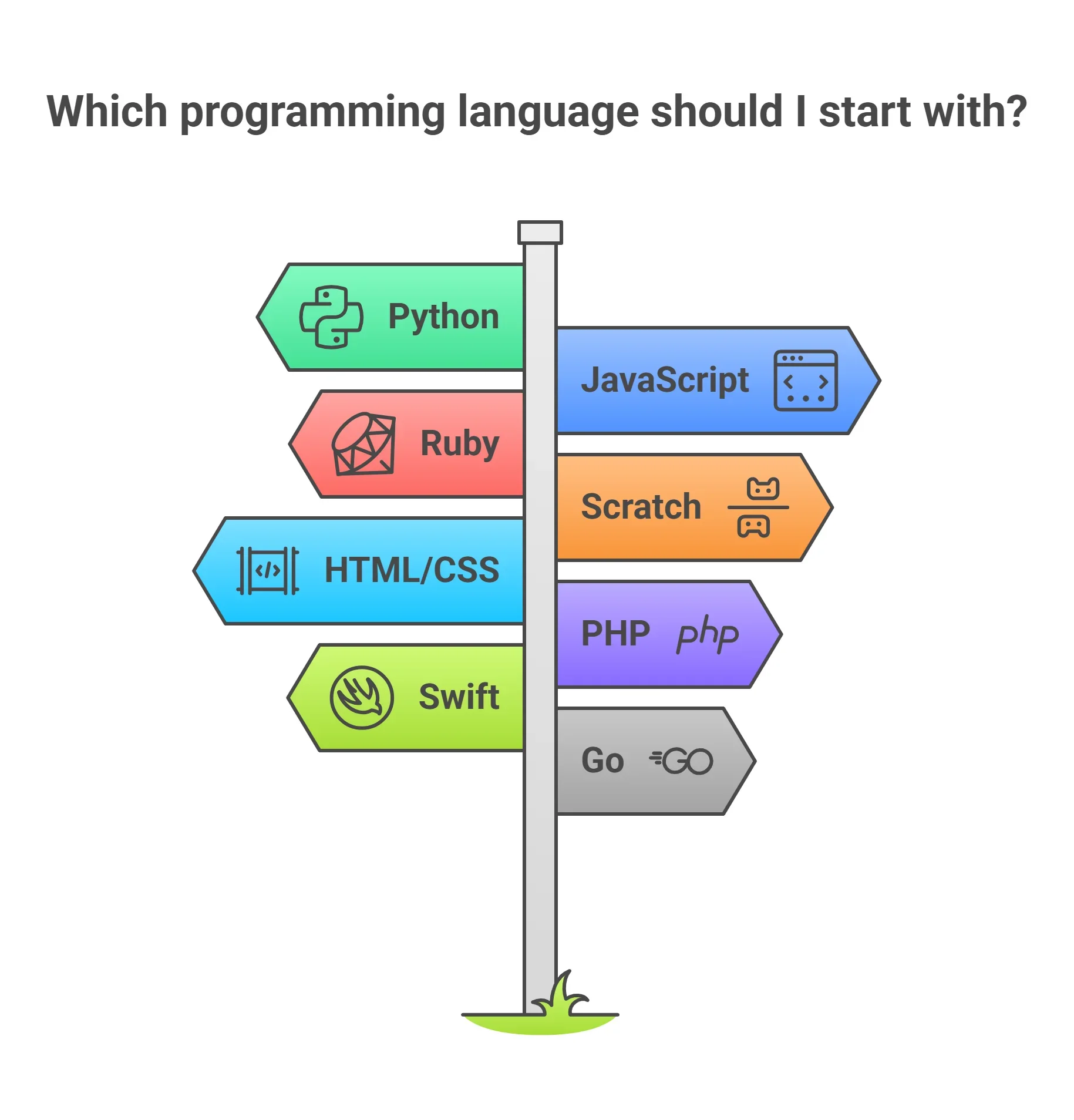
Wondering which programming language beginners find easiest? Discover the language that makes coding simple and fun, and see how it can jumpstart your tech journey with less frustration and more success. Ready to unlock your coding potential effortlessly?Discover Why the Easiest Programming Language to Learn Matters for Your Coding JourneyChoosing the easiest programming language to learn is a pivotal step for any aspiring coder. The path you start on can impact your confidence, pace, and overall success as you learn programming. A beginner-friendly, easy to learn programming language not only reduces the risk of early discouragement but sets a positive tone for your ongoing learning process. Starting with the right language means spending less time puzzled by syntax and more time mastering essential programming concepts and solving real problems.For many, the journey into software dev, web development, or data science begins with a language that’s approachable and well-supported. The simplest programming language provides a smoother transition from thinking about logic to actually building things.Strong community support, abundant learning resources, and clear error messages make learning less intimidating. Ultimately, your starting point shouldn't hold you back; it should invite you in, keep you motivated, and help you build skills that are in high demand on the job market.How Choosing the Easiest Programming Language Impacts BeginnersFor beginners, selecting an easy to learn programming language can make the difference between struggling to understand basic concepts and confidently creating your first working programs. Intuitive languages minimize confusion—a clean syntax with fewer special symbols (such as curly braces) means less time hunting for missed punctuation and more time seeing your code run as expected. With the right language, you can prototype creative ideas, build web pages, and even dabble in machine learning without years of prior experience.Beyond ease of use, the plainspoken programming language is often supported by plenty of tutorials, online courses, and beginner-focused communities. This aspect is crucial since the initial learning process is often filled with questions and small errors, especially when you get your first error messages.Having a supportive environment makes sense for new learners, turning what might be roadblocks into learning opportunities. In many cases, the fastest way to build foundational skills is simply to dive into a language designed for accessibility.As you explore which language to start with, it's also helpful to consider how your learning environment and available tools can shape your experience. For those interested in hands-on experimentation and interactive learning, platforms like Jupyter Notebooks and Azure ML Studio offer beginner-friendly ways to practice coding and data science concepts. You can learn more about these practical tools and how they support new programmers in this field guide to Jupyter Notebooks, Azure ML Studio & Friends.What You'll LearnKey traits of the easiest programming language for beginnersComparison of leading programming languages for ease of learningReal-world applications made possible by easy to learn programming optionsExpert insights on selecting the right beginner programming languageStrategies and resources to help you start learning quicklyWhat Defines the Easiest Programming Language to Learn?Identifying the simplest programming language to learn involves more than counting how many people use a specific language. True beginner-friendliness is built into the language’s design. The ideal starting point features a clean syntax—meaning the instructions you type mimic everyday language as closely as possible and avoid unnecessary symbols or complicated structure. But ease of learning also comes from robust support, accessible documentation, and a forgiving approach to errors.It’s not just about mastering the commands—a language’s ecosystem also matters. Popular languages with large communities will provide more abundant and diverse learning resources, making it easier to find help when you get stuck. For an aspiring software developer or a future data scientist, choosing a language with real-world relevancy and supportive infrastructure is key in reaching your goals quicker and with less frustration.Core Features of an Easy to Learn Programming LanguageClear and concise syntaxComprehensive learning resourcesUser-friendly error messagesHigh demand in the job market"Many beginners credit clear syntax and robust learning resources as the most crucial aspects when starting their programming journey." – Dr. Karen Wu, Software Engineering ProfessorComparing the Easiest Programming Languages for BeginnersTable: Side-by-Side Comparison of Easiest Programming LanguagesLanguageSyntax ClarityError MessagesPopular Use CasesCommunity SupportLearning ResourcesPythonVery high (English-like, minimal punctuation)User-friendly, clearWeb development, data science, automation, scriptingExtensive, globalExtensive tutorials, docs, coursesJavaScriptHigh (familiar to many, some quirks)Descriptive, browser-basedBuilding web apps, dynamic web pagesVery large, activeLots of free online contentRubyVery high (readable, minimal symbols)Helpful, beginner-orientedWeb backends, scriptingWelcoming, responsiveComprehensive guides, booksScratchN/A (block-based visual coding)Visual hints, instant feedbackGame creation, teaching kidsFriendly to young learnersLesson plans, videosSwiftHigh (especially with Swift Playgrounds)Modern, clearMobile app, iOS, Apple devicesRapidly growingOfficial guides, interactive toolsWhy Python Is Often Named the Easiest Programming Language to LearnSimple, English-like syntaxWidely available tutorials and guidesVersatility for web, app, and data projectsActive global community"Python’s readability and straightforward approach make it a favorite for educators and first-time programmers alike." – David Kim, Senior Software DeveloperPython stands out among easy to learn programming languages due to its approachable design and active ecosystem. Unlike some popular languages that require understanding curly braces or complex punctuation, Python’s clean syntax allows you to focus on problem-solving, not arcane grammar.Its strong presence in web development, data science, and machine learning means your beginner projects can lead directly into high-demand fields without needing to relearn too much.The overwhelming availability of learning resources—ranging from interactive tutorials to free bootcamps—ensures even absolute beginners have supportive pathways to success. Python’s error messages are typically clear and designed to help novices pinpoint and correct simple mistakes.For many, it just makes sense: starting with a language that stays relevant as you grow your skills streamlines the learning process and maximizes your future job opportunities in tech.Other Programming Languages Often Considered 'Easy to Learn'JavaScript: Best for building web applicationsRuby: Praised for readable syntax and active communityScratch: Visual learning for absolute beginnersSwift: User-friendly for building iOS and mobile appsWhile Python is often called the most straightforward programming language to learn, other languages offer beginner-friendly experiences depending on your interests. JavaScript unlocks the ability to build web apps that work directly in the web browser.Ruby’s clean syntax is beginner-friendly and is especially renowned for web backends, while Scratch takes a revolutionary approach with its block-based, visual interface, focusing on the absolute basics of logic and sequencing—perfect for younger learners or those who want a gentle introduction.Swift is a great entry point if your aim is mobile app development, especially on Apple platforms. Each of these languages provides comprehensive learning resources to help beginners build web, mobile, or simple projects.Real-World Applications and Demand: Building With the Easiest Programming LanguageFrom Web Development to Mobile Apps: What Can You Create?Build web platforms with JavaScript or PythonCreate mobile app prototypes using Swift or PythonDevelop automation scripts for daily tasksExplore data analysis projects"Starting with an easy to learn language lets learners see quick results—be it a website, app, or a data project—which keeps motivation high." – Jessica Lee, Coding Bootcamp InstructorWith the simplest programming language to learn at your fingertips, you’ll be surprised how quickly you can move from basics to real-world projects. Whether you want to build web pages or entire web apps, try your hand at mobile app development, or automate daily tasks, the journey is far more manageable with the right starting point. For many, immediate results provide the encouragement needed to keep learning and to eventually contribute to both personal and professional projects.The practical skills gained serve as stepping stones to more advanced fields like data analysis, machine learning, or even building full-fledged web backends. The accessibility, versatility, and fast feedback loop of beginner-friendly languages means that you can enjoy building things from day one, while steadily building your confidence and experience.High Demand and Job Opportunities for Beginner ProgrammersCommon entry-level roles requiring easy to learn programming languagesGrowing industries in tech, data science, and software engineeringThe skills you gain by mastering an easy to learn programming language are sought after in a rapidly expanding digital job market. Roles such as junior software developer, QA tester, data analyst, and website content specialist all value practical coding ability—especially in languages widely recognized for their beginner-friendliness. Tech organizations recognize that programmers who have learned sought-after languages like Python or JavaScript can quickly adapt and grow into more complex roles.As industries in web development, data science, and software engineering continue to grow, so does the need for talented developers with strong foundations. Beginning with the forthright programming language to learn is not just about simplicity; it’s a direct pathway into industries that are dynamic, lucrative, and future-proof."Employers are looking for solid foundational skills—starting with a beginner-friendly language puts you on the fast track to a coding career." – Priya Shah, Technical Recruiter, CodeBridge TalentCommon Challenges With Easy to Learn Programming LanguagesTypical Error Messages and How to Overcome ThemSyntax errors and simple misstepsRead and interpret error messagesWhere to get quick help: forums and documentationEven the simplest programming language to learn will present stumbling blocks—most commonly, error messages that can seem confusing at first. Syntax errors, such as a missing parenthesis or misspelled word, are among the most frequent issues beginners encounter. The good news? Readable error messages and comprehensive online help make overcoming these obstacles less intimidating.If you hit a snag, don’t get discouraged. Online platforms like Stack Overflow, the official documentation, and beginner coding forums are full of people ready to help. Learning how to interpret error messages is a crucial part of the process, and with consistent practice, you’ll find that troubleshooting becomes second nature. Think of every error as a learning opportunity—a stepping stone toward mastery.Accessing Reliable Learning Resources for the Simplest Programming LanguageOnline tutorials and video seriesInteractive coding platformsCourseware from universities and bootcampsAccess to quality learning resources can define your experience as a beginner in programming languages. The best programming language for you is often the one with the richest ecosystem of tutorials, interactive labs, and community-created guides. Utilizing platforms like Codecademy, free online video classes, or university-backed courseware gives you structured, clear pathways to progress.Many beginners also benefit from interactive coding environments where you can write, test, and debug your code instantly. These platforms provide instant feedback and allow you to learn by doing, which is proven effective for retaining new concepts. Don’t hesitate to explore university or bootcamp offerings if you prefer a guided experience—they’re often built around the easiest programming language to learn, ensuring your entry is smooth and rewarding.Expert Tips: How to Make the Most of Learning the Simplest Programming LanguageStrategies for Rapid ProgressCode daily, even in small incrementsJoin beginner-friendly coding communitiesPractice with mini projectsRapid progress in programming relies on consistent practice and exposure to real code. Dedicate daily time—even brief sessions—to coding: this habit turns abstract concepts into practical skills through repetition and experimentation. Joining beginner-friendly communities (such as online forums, Discord groups, or local meetups) surrounds you with others on a similar journey, providing encouragement and accountability.Focus on mini projects that interest you, whether it’s a simple web page, a data analysis script, or a game. Projects not only reinforce programming concepts but also produce tangible results you can show off or share.Remember, building things is central to learning—real-world application cements what tutorials teach. By combining these strategies with a programming language designed for accessibility, you'll overcome obstacles and reach milestones quickly.Leveraging Community Support and Real-World PracticeCollaborate on open-source projectsAttend code-alongs and workshopsShare your progress for feedbackCommunity support amplifies your learning experience. Participating in open-source projects—or even just browsing their code—offers exposure to real-world practices and lets you contribute meaningfully as you learn. Code-alongs, hackathons, and hands-on workshops are perfect opportunities to build practical skills, meet mentors, and get your questions answered in real time.Don’t be shy about sharing your progress, even if your project feels small—public feedback helps you grow and connects you to like-minded coders who can offer tips or encouragement. Remember, everyone starts somewhere, and the most important step is the one you take today toward mastering the easiest programming language to learn.People Also AskIs C++ harder than Python?Answer: For most beginners, C++ is considered more challenging due to complex syntax and stricter rules, while Python is widely regarded as an easy-going programming language to learn because of its readability and simplicity.Is 25 too old to start coding?Answer: Absolutely not. There is no age limit for learning the simplest programming language or starting a career in programming. Many successful developers began coding later in life.What coding did Elon Musk learn?Answer: Elon Musk started coding with BASIC, an early and easy to learn programming language designed for beginners, before moving to more advanced languages over time.Is coding harder than math?Answer: Coding and math are different skill sets. The most comfortable programming language to learn often requires logical thinking more than advanced mathematics, especially for beginners.Frequently Asked Questions (FAQs) About the Easiest Programming Language to LearnWhich programming language is best for absolute beginners?Python is often the top recommendation for those just beginning their programming journey. Its straightforward syntax and robust ecosystem of learning resources make it ideal for understanding programming basics, building web pages, and starting with data projects. However, if your main focus is interactive web development, JavaScript is also extremely beginner-friendly.How quickly can I learn the easiest programming language?For most beginners, dedicated daily practice via tutorials and small projects can lead to basic proficiency in the easiest programming language to learn within a few weeks. Consistent effort and seeking help when needed will accelerate your progress. Choosing a language with ample community support and interactive platforms ensures you steadily build essential skills at your own pace.Do I need a technical background to start learning programming?No prior technical experience is required to begin with the easiest programming language to learn. Modern languages like Python are specifically designed to be approachable for non-technical learners, and most learning resources assume you’re starting from zero. The most important asset is curiosity and the willingness to experiment and learn from small mistakes.Key Takeaways for Choosing the Easiest Programming Language to LearnPython is often considered the top choice thanks to its readability and versatility.Choose a language aligned with your goals—web, mobile app, or data science.Leverage community support and abundant learning resources for success.Beginner-friendly languages minimize frustration and maximize results.Ready to Start With the Easiest Programming Language? Your Next StepsFor more great IT certification training content, visit: ITCertificationJump.comConclusionThe easiest programming language to learn is your gateway to building confidence and unlocking future tech opportunities—choose wisely, persist, and your coding journey will be rewarding and empowering.As you take your first steps into programming, remember that choosing an accessible language is just the beginning of your tech journey. If you’re still wondering whether an IT career is the right fit for you, or want to explore the broader landscape of opportunities and personal growth in technology, consider reading this comprehensive guide on discovering if an IT career is for you.It offers practical advice, self-assessment tips, and insights to help you align your learning path with your long-term goals. Exploring these perspectives can empower you to make informed decisions, build confidence, and unlock new possibilities as you grow from beginner to tech professional.SourcesfreeCodeCamp – https://www.freecodecamp.org/news/what-are-the-easiest-programming-languages-to-learn/Real Python – https://realpython.com/python-beginner-tips/Codecademy – https://www.codecademy.com/resources/blog/best-programming-languages-to-learn/When starting your programming journey, selecting a language that aligns with your goals and offers a gentle learning curve is crucial. For those interested in web development, JavaScript is indispensable, enabling the creation of interactive websites and applications. Its widespread use and immediate visual feedback make it a practical choice for beginners. (forbes.com)Alternatively, if you’re aiming to develop applications within the Apple ecosystem, Swift provides a modern and readable syntax, making it accessible for newcomers. Apple’s support through tools like Swift Playgrounds further facilitates the learning process. (softensity.com)Exploring these resources will help you make an informed decision and set a solid foundation for your programming endeavors. ITCertificationJump.com







Write A Comment