IT certification badge for professional development and career advancement
update

IT Certification Jump

update
  • Homepage
  • About
  • Good To Know
  • AI
  • Machine Learning
  • EXAM Traps 101
  • All Posts
  • Security
  • Cisco
  • CompTIA
  • AWS
  • Beginner
  • Cloud
  • Coding
  • Digital Forensics
  • EC-Council
  • Google
  • Java
  • Juniper
  • Linux
  • Microsoft
  • Project Management
  • Python
  • Uncategorized
  • Virtualization
  • VMware
  • Network Infrastructure
  • Hardware
  • Gaming
  • Good To Know
  • AI
  • Machine Learning
  • EXAM Traps 101
4 Minutes Read

Level Up Your Tech Game: Your Helpful Guide to the Cloud Security Essentials (CSE) Certification

Cloud security solutions protecting data in a digital landscape.

Level Up Your Tech Game: Your Helpful Guide to the Cloud Security Essentials (CSE) Certification!


Ever feel like the cloud is this mysterious, untouchable thing where all your cat videos and important documents magically reside? You're not wrong! But just like your grandma probably put a password on her tablet after accidentally liking a photo from 2012, the cloud needs security. And that's where YOU, my friend, and the Cloud Security Essentials (CSE) certification swoop in like digital superheroes!

What in the Cloud is the Cloud Security Essentials (CSE)?

Imagine you're at the entrance of a super cool, futuristic cloud city. The Cloud Security Essentials (CSE) is like the golden ticket and the friendly (but firm) guide who shows you the ropes. Developed by the legendary EC-Council, the folks who brought you the world-renowned Certified Ethical Hacker (CEH) certification, the CSE is designed to give you the strong technical foundational skills in Cloud security. Think of it as your Cloud Security 101, no prior IT or cybersecurity experience required! That's right, you don't need to be a code wizard or a network ninja to get started.

As EC-Council rightly points out, with the rapid implementation of cloud services, security threats are also evolving, making it crucial to protect data and maintain privacy in the cloud. It's like the Wild West out there, but instead of bandits on horseback, we have digital desperados trying to sneak into your virtual vault. The CSE equips you with the sheriff badge and the cybersecurity know-how to keep them at bay!

Why Should You Care About Cloud Security (Besides Not Wanting Your Data to End Up on a Billboard)?

Let's be real, the cloud is everywhere! From streaming your favorite shows to businesses storing their entire operations, it's the backbone of the modern digital world. And just like you wouldn't leave your front door unlocked, you can't leave your cloud environment vulnerable. The CSE helps you understand the fundamental principles of keeping that digital door securely bolted.

What Awesome Skills Will You Gain? (Spoiler: It's More Than Just Knowing to Use Strong Passwords!)

The Cloud Security Essentials course dives into the nitty-gritty of what makes the cloud tick and how to keep it safe. You'll learn about critical fundamental skills, including:

  • Cloud computing fundamentals: Understanding the different types of clouds and how they work. Think of it as learning the map of our futuristic cloud city.

  • Identity and access management: Figuring out who gets to enter which buildings and making sure only the right people have the keys.

  • Data protection and encryption: Learning how to lock up valuable data so even if someone sneaks in, they can't read it. It's like encoding your secret diary so your nosy sibling can't understand it!

  • Network security in the cloud: Building virtual walls and security checkpoints to prevent unauthorized access.

  • Application security: Making sure the apps running in the cloud are secure and don't have any secret backdoors.

  • Cloud security monitoring and incident response: Learning how to keep an eye on things and what to do if something goes wrong (like a digital fire alarm and the procedures to put it out!).

  • Risk assessment and management: Identifying potential threats and figuring out how to minimize the risks. It's like checking for loose floorboards in our cloud city buildings.

  • Cloud compliance and governance Basics: Understanding the rules and regulations of the cloud to avoid getting a digital parking ticket.

Thoughtful young woman contemplating a decision in a beautiful setting

Is the CSE Your Ticket to Cloud Security Stardom?

According to EC-Council, the CSE course is the perfect gateway to getting started in Cloud security. Whether you're an individual looking to Kickstart your career in Cloud security or the cyber security industry, or even an educator preparing students for this exciting field, the CSE is a fantastic starting point. It's like the first level in a super fun (and rewarding) video game!

What Goodies Come with This Certification Quest?

Enrolling in the Cloud Security Essentials course isn't just about the knowledge; you get a treasure trove of resources:

  • One-year access to e-courseware: Your digital textbook and learning materials.

  • Self-paced video lessons from industry experts: Learn from the best in the biz, on your own schedule.

  • 6 months of access to immersive Hands-On Labs: Get your hands dirty (virtually!) and practice your new skills. Think of it as your cloud security gym.

  • Proctored exam: Prove your skills and earn that coveted certification.

  • Capstone projects with real-world challenges: Put your knowledge to the test with scenarios you might actually encounter.

  • EC-Council's globally recognized certification on course completion: A shiny badge of honor to show the world your cloud security prowess.

TL;DR:

Wanna be a cloud security superhero? The EC-Council's Cloud Security Essentials (CSE) certification gives you the foundational skills you need, even if you're a complete beginner. You'll learn about everything from cloud basics to data protection, with cool resources like labs and expert videos. It's your first step to a seriously in-demand career!

Ready to Take Your First Leap into the Clouds (Safely, Of Course!)?

Don't miss out on this opportunity to upskill in Cloud security. As EC-Council wisely suggests, you can begin your Cloud security Journey with EC Council today. Whether you're an individual or an educator, their Essentials series is the program you need.

So, what are you waiting for? Ditch the digital damsel-in-distress routine and become the cloud security champion the internet deserves!

Want to explore more awesome IT certification guides? Check out our other content for the latest tech insights!

Tags: Cloud Security, CSE Certification, EC-Council, Cybersecurity for Beginners, IT Certification, Cloud Computing, Data Protection, Network Security, Career in Tech

Security EC-Council

0 Comments

Write A Comment

*
*
Please complete the captcha to submit your comment.
Related Posts All Posts

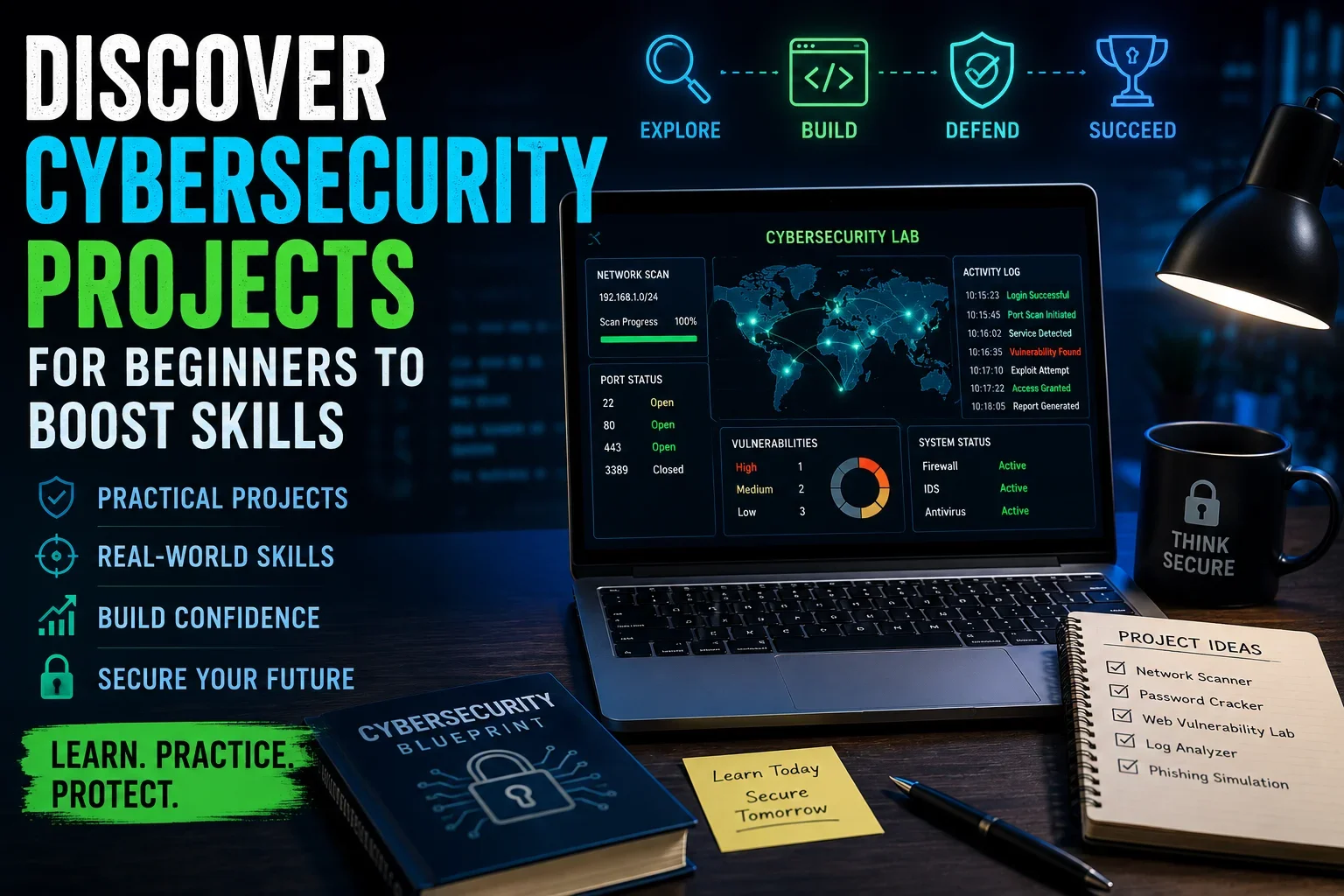
Discover Cybersecurity Projects for Beginners to Boost Skills

Starting in cybersecurity can feel overwhelming, but hands-on projects transform uncertainty into confidence. Embracing beginner-friendly projects not only sharpens skills but also builds real-world readiness, making your learning journey exciting and rewarding. Dive in and watch your expertise flourish with each challenge conquered.Unlock Your Potential with Cybersecurity Projects for BeginnersEmbarking on cybersecurity projects for beginners is the most effective way to bridge the gap between classroom knowledge and real-world application. Whether you dream of becoming a security engineer, ethical hacker, or SOC analyst, practical experience remains a cornerstone in launching your cyber security career path.By participating in hands-on security projects, you move beyond theory and gain the practical skills needed to protect networks and data against unauthorized access and digital threats.Understanding why hands-on experience is vital in cyber security: Nothing matches the retention and problem-solving growth gained from actual project work. Practice with real tools and scenarios strengthens your understanding of cyber security fundamentals and gives you an edge in future job interviews and bug bounty hunting.How beginner cybersecurity projects foster practical application: Every challenge faced and solved during a security project builds up essential skills – from configuring a detection system to running a penetration test. Projects for beginners allow you to see how concepts like network security, intrusion detection, and threat detection apply in modern IT environments.How beginner cybersecurity projects foster practical application: Tackle real-world issues with focused tasks—like scanning for open ports or securing a home lab—which encourage critical thinking and confidence as a budding security professional."Starting with small, focused projects grounds theoretical learning and empowers newcomers to tackle real-world cyber security threats." – Dr. Maya Elroy, Cybersecurity EducatorWhat You'll LearnHow to select the best cybersecurity projects for beginnersKey skills developed through DIY cybersecurity project workExpert advice and recommended project ideasStep-by-step approaches to each security projectAnswers to popular cyber security questionsGetting Started: The Basics of Cybersecurity Projects for BeginnersBefore diving into your first cybersecurity project, it’s crucial to build a strong foundation in core concepts. Start by familiarizing yourself with how digital networks function, what makes systems vulnerable, and the importance of critical areas such as confidentiality, integrity, and availability.Understanding cyber security at its roots boosts your awareness of threats like unauthorized access, SQL injection, or open ports, and prepares you for advanced tasks like ethical hacking or penetration testing.Core concepts in cyber security: Learn about network architecture, firewalls, basic encryption, and system hardening. Building the basics ensures you can recognize and mitigate threats, making each project a step-forward in your career path.Building the right foundation before tackling security projects: Consider setting up a home lab using virtual machines to safely test security tasks. Hands-on labs let you experiment with scanning your IP address, configuring a detection system, or working with open-source code and operating system controls.Choosing the right tools and platforms for your first cybersecurity project: Start with user-friendly platforms such as Kali Linux, Wireshark, and Metasploit for testing and practicing security skills. These tools are industry standards and offer comprehensive training resources for projects at every skill level."Even the simplest projects can ignite a passion for security engineering, setting you up for future success." – Ada Lin, Senior Security EngineerAs you build your foundational skills and experiment with hands-on labs, it's also important to understand how physical security measures complement digital defenses. For a practical look at why securing your environment goes beyond firewalls and software, explore physical security strategies every cyber professional should know.Top Cybersecurity Projects for Beginners: Hands-On IdeasBuild a Basic Intrusion Detection System for Network SecurityProtecting your own network is a fundamental security project for beginners. An intrusion detection system (IDS) monitors network traffic and alerts you to suspicious activity that could indicate unauthorized access or attacks. Start by exploring the core concepts of threat detection, event logging, and signature analysis, which form the backbone of most detection systems.Core concepts: Understand how IDS tools analyze packets and recognize attempts to exploit vulnerabilities or open ports in your target system.Tools needed: Platforms like Snort or Suricata allow you to experiment with detection rules and customize alerts for your home lab.Step-by-step:Install Snort on your operating systemConfigure it to capture all incoming network trafficDefine rules to trigger alerts for suspicious patternsTest your IDS by simulating benign and suspicious activitySimulate SQL Injection Attacks and Their PreventionSQL injection remains a common vulnerability affecting web applications. This cybersecurity project introduces you to understanding how attackers exploit user input to access protected databases. By simulating SQL injection in a safe environment, beginners grasp the importance of secure web development and data validation.Risks explained: SQL injection can expose sensitive data or grant attackers control over systems, highlighting the need for secure coding practices.Safe simulation: Use open-source vulnerable applications like DVWA (Damn Vulnerable Web Application) to learn how attackers target poorly validated input fields.Countermeasures: Practice simple mitigations such as prepared statements, parameterized queries, and robust input validation to block injection attempts.Cloud Security Lab: Setting Up and Securing Virtual MachinesCloud computing is a core focus in today’s cyber security landscape. This project aims to teach you cloud security by launching virtual machines, hardening their configurations, and managing access permissions using popular platforms like AWS, Azure, or Google Cloud.Cloud security fundamentals: Learn about the shared responsibility model and how access controls, network segmentation, and patching secure virtualized environments.Launching and hardening: Set up your own VM, configure firewalls to protect open ports, and regularly update the operating system to keep threats at bay. Try adding cloud-specific security tools and policies.Simple Penetration Testing: Your First Penetration TestPenetration testing represents the heart of ethical hacking, simulating real attacks against a target system to expose weaknesses. This project covers the essential techniques used in a penetration test, like reconnaissance, vulnerability scanning, and exploiting basic flaws.Penetration testing basics: Use beginner-friendly tools such as Metasploit or Kali Linux to scan for open ports, enumerate services, and attempt safe exploits in your home lab or with intentionally vulnerable virtual machines.Document your findings: Record vulnerabilities found, steps taken, and recommendations for mitigation – key for developing strong report writing skills crucial in a security job or as an aspiring security professional.Detection System Project: Monitoring Home Network TrafficYour home network can be a playground for learning network security basics. Use free network monitoring tools to visualize traffic patterns, recognize unauthorized access attempts, and detect suspicious behavior from IoT devices or unexpected open ports.Setup: Install Wireshark or similar tools, then observe and analyze packets in real-time. Investigate unfamiliar traffic, foreign IP addresses, and unapproved connections.Advanced ideas: Build password strength checkers, traffic sniffers, or even develop phishing email simulations to practice threat detection and response.Essential Skills Developed Through Cybersecurity Projects for BeginnersParticipating in cybersecurity projects unlocks a variety of essential skills, indispensable for anyone aspiring to become a security engineer or analyst. Not only will you tackle technical tasks, but you'll also develop critical thinking, documentation expertise, and the ability to communicate solutions clearly—qualities valued across the cyber security industry.Problem-solving and troubleshooting: Real-world security projects push you to solve unexpected glitches—like misconfigured detection systems or elusive IP address activity—honing your troubleshooting abilities for a future in bug bounty, web security, or security engineering.Documentation and reporting: Learning to write clearly about project goals, findings, and solutions prepares you for company audits, client reports, or advising fellow security professionals.Scripting and automation: Many projects introduce basic Python or Bash scripting, valuable for automating data collection, repetitive analysis, or even simple threat responses in your future SOC analyst role.Step-by-Step Example: How to Execute a Cybersecurity Project for BeginnersExecuting a cybersecurity project requires thoughtful planning, the right technical environment, and an iterative learning mindset. Here’s how to move from concept to completion:Plan & outline objectives: Define your project scope, target system (whether virtual, live, or simulated), and milestones. Setting clear goals—such as reducing detection time or securing open ports—keeps you on track and motivated.Setup: Build your environment, whether it’s a home lab with multiple operating systems or a cloud-based sandbox. Install necessary tools and reference documentation to troubleshoot as you progress.Test, validate, iterate: As you implement your project, continuously test assumptions, monitor for unintended outcomes, and refine your setup. Learning comes from both success and troubleshooting unexpected results.Document & present: Compile your findings in a report, prepare a short presentation, or even share results online. Reflect on what worked, what didn’t, and how you'd improve next time—a habit recognized by top security professionals.Using Source Code and Open-Source Tools in Cybersecurity Projects for BeginnersLeveraging open-source code and freely available tools is both cost-effective and educational for beginners. Many security projects start with existing frameworks, letting you focus on analysis and customizations rather than building everything from scratch.Find beginner code: Search platforms like GitHub for tags like “cybersecurity project,” “detection system,” or “cloud security lab.” Stick to repositories with clear documentation and active communities, and always download from trusted sources.Customize responsibly: Tweak configurations, scripts, or detection signatures to understand how changes affect outcomes. This hands-on modification increases both confidence and practical skill.Observe licensing: Always give credit to open-source authors, respect usage licenses, and never claim another’s work as your own—a golden rule in the professional security community.Expert Insights: Tackling Real-World Security Projects as a BeginnerReal advice: Security engineers and educators agree—start with projects small enough to finish, but challenging enough to push your boundaries. Document everything, learn from every success or mistake, and don’t hesitate to ask for feedback in online forums or from mentors.Common pitfalls: Don’t be discouraged by initial setbacks. Avoid skipping documentation and resist the urge to copy entire solutions without understanding. Maintain security hygiene by not testing against unauthorized target systems, and always secure your own data."Beginners should remember—every small cybersecurity project you complete adds up to expertise and credibility in the field." – Marcus Lane, Security AnalystThis video demonstrates a complete walkthrough of a simple beginner cybersecurity project—building a basic firewall. Follow along with screen recordings, step-by-step narration, and highlighted learning points, designed to guide you in real-time through setup, configuration, and testing, with friendly on-camera explanations.This video guide showcases the process of setting up your first intrusion detection system, covering installation, configuration, rule creation, and practical test scenarios. Gain immediate confidence monitoring network threats in your own lab environment!Table: Comparison of Popular Cybersecurity Projects for BeginnersProject TypeSkill FocusTypical ToolsComplexity LevelKey Learning OutcomeBasic Intrusion Detection SystemThreat Detection, Network AnalysisSnort, SuricataBeginnerRecognize and respond to attacksSQL Injection SimulationWeb Security, Database ProtectionDVWA, SQLmapBeginnerDefend against input-based threatsCloud Security LabCloud Architecture, Access ControlAWS/GCP/Azure, OpenVASBeginner/IntermediateHarden and secure virtual machinesPenetration Test WalkthroughVulnerability Analysis, Ethical HackingKali Linux, MetasploitBeginnerIdentify and exploit test vulnerabilitiesHome Network Traffic MonitoringTraffic Analysis, Security MonitoringWiresharkBeginnerAnalyze real-time network dataList: Common Tools Used in Cybersecurity Projects for BeginnersWiresharkKali LinuxMetasploitOpenVASSnortSQLmapNmapBurp Suite (Community Edition)DVWA (Damn Vulnerable Web Application)Key Takeaways for Cybersecurity Projects for BeginnersHands-on projects accelerate skill developmentPractical experience helps bridge the gap to real-world cyber securityContinuous learning is key in successful cyber security careersPeople Also Ask: Beginner Cybersecurity Project QuestionsWhat are some beginner cyber security projects?Newcomers to the field can start with projects like building a basic intrusion detection system, simulating SQL injection attacks in a safe environment, monitoring their home network with Wireshark, or setting up a virtual cloud lab. Other accessible ideas include creating a password strength checker, configuring a simple firewall, and simulating phishing detection. Each of these helps develop foundational cyber security and automation skills, critical for building confidence and practical expertise.Can you make $500,000 a year in cyber security?While top salaries in cyber security can be impressive, especially for highly specialized roles or consulting experts, reaching $500,000 per year typically requires significant experience, advanced certifications, and sometimes working in management or niche areas like bug bounty hunting, high-risk industries, or executive security jobs. For most beginners, the focus should be on skill development and building a strong portfolio through project work, but the earning potential in this field is undeniably strong for those who invest in continuous learning.What to learn as a beginner in cybersecurity?Start by mastering basic computer networking, operating systems, and fundamental cyber security concepts—including authentication, firewalls, encryption, and threat detection. As you progress, explore web application security, learn to use tools like Wireshark and Kali Linux, and experiment with scripting. Hands-on projects and understanding best practices will set a solid foundation for advanced ethical hacking, penetration testing, and security engineering topics.What projects to do for cybersecurity?Choose projects that align with your interests and career goals. If you're drawn to network security, focus on monitoring and intrusion detection; for web security, simulate and prevent SQL injection attacks. Interested in cloud security? Set up and harden virtual machines in a major cloud environment. Tailor project complexity to your current knowledge, gradually increasing challenges as your comfort grows to advance your portfolio.Frequently Asked Questions About Cybersecurity Projects for BeginnersWhat is the easiest cybersecurity project for beginners?Setting up network monitoring at home using Wireshark or installing a basic firewall are great entry-level projects. They require minimal setup, introduce fundamental concepts, and provide instant feedback.How do I build my portfolio with beginner security projects?Document each project clearly, save reports, take screenshots, and post summaries or code on platforms like GitHub (respecting licensing rules). This demonstrates both initiative and technical ability to future employers or educators.Are open-source security projects safe to use?Most reputable open-source projects are safe and widely used in industry. Always download from official sources, review documentation, and test within a controlled lab environment to avoid risks to personal data or networks.Where can I find step-by-step project guides?Many security education websites, YouTube channels, and GitHub repositories offer detailed walkthroughs specifically for beginners. Look for guides with clear instructions, screenshots, and explanations of outcomes.Ready to Launch Your First Cybersecurity Project?For more great IT certification training content, visit: ITCertificationJump.comIf you’re eager to keep expanding your cybersecurity toolkit, consider exploring foundational networking concepts that underpin every security project. Understanding subnetting can make tasks like network segmentation and access control far more intuitive, even if math isn’t your favorite subject.For a fun, approachable guide that demystifies IP addressing and subnetting, check out Subnetting for People Who Hate Math (But Love Snacks). Mastering these basics will empower you to design more secure environments and tackle advanced projects with confidence.References:CyberSeek – https://www.cyberseek.org/pathway.htmlCloudflare – https://www.cloudflare.com/learning/security/what-is-cyber-security/GitHub – https://github.comCybersecurityEducation.org – https://www.cybersecurityeducation.org/resources/project-ideas/Embarking on cybersecurity projects is a pivotal step for beginners aiming to bridge the gap between theoretical knowledge and practical application. Engaging in hands-on projects not only enhances technical skills but also builds confidence in tackling real-world security challenges.For a comprehensive guide to initiating your journey, consider exploring the article “Real-World Cybersecurity Project Ideas for Beginners.” This resource offers a curated list of beginner-friendly projects, such as setting up a home lab environment and performing vulnerability scanning, providing step-by-step instructions to help you gain practical experience.Additionally, the GitHub repository “Incident-Response-Projects-for-Beginners” presents hands-on projects focused on phishing investigation, malware analysis, network intrusion detection, and DDoS attack response. Engaging with these projects will equip you with essential skills in incident response and threat mitigation.If you’re serious about building a strong foundation in cybersecurity, these resources will provide you with the practical experience and knowledge necessary to advance in the field. ITCertificationJump.com

What Are Watering Hole Attacks? The Sneaky Cyber Trap Hackers Use to Catch Their Prey

A watering hole attack is a targeted cyberattack where hackers compromise a legitimate, highly trusted website frequently visited by a specific group or organization. Instead of sending phishing emails, attackers inject malicious code into these familiar sites and wait for their targets to visit, leveraging the user's trust to automatically download malware and steal sensitive information.Imagine trusting your favorite website only to find it’s a trap—hackers prey on our digital habits, striking when we least expect. Understanding watering hole attacks arms you with the knowledge to protect your data and peace of mind in an ever-risky online world.Unlocking the Secrets of Watering Hole Attacks – Why You Need to KnowThe term watering hole attack explained is more than cybersecurity jargon—it’s a critical concept in today’s evolving threat landscape. Hackers have shifted from blasting out phishing emails to strategically targeting groups of users by laying traps on the most trusted and frequently visited websites.These wanting hole attacks don’t discriminate: whether you’re an individual, a business professional, or a high-value organization, simply visiting a legitimate website can put your sensitive information at risk.More dangerous than a random malware download, a watering hole attack leverages your browsing habits and the trust you place in familiar sites. The attackers compromise these trusted websites, inject malicious code, and wait for their target victims to visit.With this knowledge, you can spot the subtle warning signs and defend yourself, your team, or your business from becoming an easy target. Keep reading to discover practical steps, real-world case studies, and expert prevention strategies to outsmart the threat actors lurking online.The fundamentals of a watering hole attack explainedHow hole attacks work in real-life scenariosCommon watering hole attack tactics and warning signsPrevention strategies to stay safeKey differences between watering hole attacks and other cyber threatsWhat Is a Watering Hole Attack? Definition and Core ConceptsA watering hole attack is a type of cyberattack where hackers carefully select and compromise websites that are frequently visited by their target group. Imagine a predator lurking at the only watering hole in a savannah, patiently waiting for prey.In the digital world, the “watering hole” is a trusted website or service frequently accessed by an intended victim—such as employees in a particular industry, a government department, or even small businesses using the same vendor’s web services.By compromising a legitimate website, attackers infect it with malicious scripts or malware. Once target victims visit this compromised website, malware is quietly delivered, often exploiting zero-day vulnerabilities in the web browser or outdated browser plugins like Adobe Flash or Internet Explorer.Unlike other attacks that indiscriminately target large user bases, a watering hole attack is about precision, stealth, and maximizing the chance of infecting high-value targets such as those with access to sensitive information or critical systems.Watering Hole Attack Explained: How Hackers Set the TrapIn a typical watering hole attack, threat actors begin by conducting thorough reconnaissance. They analyze their target group’s user behavior, such as which industry forums, resource hubs, or vendor portals are regularly accessed. Once they’ve identified a high-traffic watering hole, attackers compromise the site by exploiting security flaws or leveraging insecure ad networks.The next phase is crucial: the compromised website serves malicious code specifically to visitors with desired characteristics—perhaps based on their IP address, region (like the United States), or browser type—delivering exploits that often bypass standard antivirus software.This patient, layered approach allows hackers to stealthily gain access to company networks, sometimes enabling remote access or downloading persistent threat tools onto victim machines. The end goal may be espionage, data exfiltration, or even financial gain. Because the attack leverages sites the target trusts, it’s often difficult for victims to detect the threat until it’s too late, making awareness and proactive defenses critical.Understanding the tactics behind watering hole attacks is essential, but it's equally important to recognize how attackers ensure their actions can't be denied or traced back. For a deeper dive into how digital evidence is preserved and why accountability matters in cybersecurity, explore the concept of non-repudiation and its role in preventing the “it wasn’t me” defense.Table: Real Watering Hole AttacksDateTargetThreat actorWhat made it notable2012Council on Foreign Relations websiteUnattributed hacker groupThe site was compromised to host malware that targeted a zero-day in Internet Explorer, and the attack was selective by browser language. malwarebytes+12013U.S. Department of Labor websiteUnattributed hacker groupAttackers used a government site frequented by employees to gather intelligence, including visitors interested in nuclear-related content. malwarebytes+12015Forbes websiteChinese hacking groupThe campaign used a compromised Forbes feature to deliver malicious code to visitors, showing how a major U.S. media site could be turned into a delivery mechanism. fortinet2019U.S.-based Chinese news siteFortiGuard-discovered threatThe attack targeted a U.S.-based media community and used known vulnerabilities in WinRAR and RTF files, showing a more layered infection chain. fortinet2020SolarWinds ecosystem and related U.S. organizationsSuspected nation-state actor, widely attributed to Russia-linked operatorsWhile often discussed as supply-chain compromise, it was also described in threat reports as a watering-hole style operation that helped spy on U.S. government and security organizations. malwarebytesWhy Do Cybercriminals Use Watering Hole Attacks?Unlike wide-net cyberattacks like phishing or random malware downloads, watering hole attacks are highly targeted and efficient. Cybercriminals prefer this style because it increases their odds of infiltrating organizations with strong perimeters. By focusing on trusted websites, attackers compromise the weakest link in the digital supply chain—the relationship between users and their favorite online resources.This method works particularly well against businesses, government agencies, and research institutions, where a single breach can result in valuable sensitive information or provide a beachhead for advanced persistent threat (APT) groups.Furthermore, the indirect nature of hole attacks—where attackers compromise a third-party site rather than their final target—makes attribution and mitigation more challenging for cybersecurity professionals. It’s a sophisticated approach that plays on human trust and habitual browsing, allowing cybercriminals to scale their efforts while still maintaining a degree of stealth that’s hard to achieve with other threat vectors.“Imagine a lion waiting by the only watering hole in the savannah—cybercriminals use the same patience and strategy online.”The Anatomy of a Hole Attack: Step-by-Step BreakdownStages of a Watering Hole AttackDescriptionTarget SelectionHackers identify popular sites for victimsCompromiseThe site (watering hole) is infectedWaiting GameHackers monitor and wait for visitorsPayload DeliveryVisitors’ machines are infected upon visitWatering Holes: Choosing the Right Target for a Watering Hole AttackThe success of a watering hole attack hinges on careful target selection. Cybercriminals study the browsing habits of key individuals or organizations—perhaps via social engineering or by analyzing which legitimate websites or web services are most frequently visited by employees in a given sector. For instance, a threat actor targeting defense contractors may focus on compromising password reset pages, vendor support portals, or even industry news sites.Once they’ve identified the “watering holes”—sites that see regular, high-value traffic from their target group—the attackers compromise these platforms with malicious code. The goal is to maximize the chances that someone from the intended group will visit the infected website, thereby unwittingly opening the door to further exploitation. These tactics often allow attackers to silently infiltrate robust corporate environments by leveraging weaknesses outside immediate organizational control.Payload Delivery in Watering Hole AttacksUpon compromising a watering hole, attackers prepare for the payload delivery phase. Technology such as drive-by download scripts or zero-day browser exploits is deployed to the trusted website, ready to infect any visiting user whose machine meets certain criteria—such as outdated plugins or operating systems. Notably, attackers usually avoid infecting every visitor. Instead, they tailor the attack to only those users who fit the profile of the intended victims (based on indicators like region, IP address, or browser version).The malware delivered during a watering hole attack can vary—from simple keyloggers to sophisticated remote access trojans used in advanced persistent threat campaigns. Often, the infection is silent and invisible, allowing attackers months of undetected access that can lead to widespread data breaches, theft of sensitive information, or preparation for further attacks. This stealthy approach distinguishes watering hole attacks from noisier forms of cybercrime, highlighting the need for enhanced situational awareness and web hygiene.How Watering Hole Attacks Differ from Other Cyber ThreatsOne of the most critical aspects of understanding watering hole attack explained is recognizing how these attacks stand apart from other well-known cyber threats. While the end goal—such as stealing data or gaining persistent access—may align with phishing, malware, or even supply chain attacks, the mechanism of action is notably distinct.Rather than targeting individuals directly through email or direct exploitation of network vulnerabilities, watering hole attacks work by compromising third-party websites that act as digital gathering places for the target group.Because the compromised websites in these attacks are often perceived as safe and are part of daily workflows, organizations often overlook the risks associated with browsing reputable platforms. This contrast is at the heart of why watering hole attacks are both dangerous and challenging to counter, underscoring the necessity for layered defenses and robust web security practices.Comparing Watering Hole Attack vs. Supply Chain AttackAt first glance, watering hole attacks and supply chain attacks might appear similar—they both leverage third-party relationships to target organizations. However, there are key distinctions. In a supply chain attack, the attacker compromises software or hardware used by many organizations; think of threats embedded in widely-used updates, drivers, or cloud services. These attacks aim to infiltrate companies through the tools they rely on every day.Conversely, a watering hole attack specifically targets frequently visited web portals rather than distributing malware through product updates or supply chain links. The attackers infect a trusted website that is part of an industry ecosystem, silently delivering malware when the target group visits. While both attacks exploit trust, the watering hole approach is uniquely browser-focused and hijacks the user’s browsing habits, while supply chain attacks abuse established update or distribution channels.Watering Hole Attacks vs. Phishing and Other Hole AttacksThe main difference between a watering hole attack and traditional phishing is that phishing attacks cast a wide net, tricking users through malicious emails or deceptive links. While phishing relies on user error, watering hole attacks manipulate trusted web environments. In these attacks, even security-savvy users may get compromised as the malicious site is a portal or news platform they regularly visit and trust.Other types of hole attacks, including drive-by download attacks or browser exploit kits, also exploit web browser vulnerabilities—but often without the targeted reconnaissance and precision of a true watering hole attack. Attackers compromise random or less strategically relevant websites. Watering hole attacks, by contrast, prioritize quality over quantity, infecting sites strategically chosen for their target audience or target group.People Also Ask: Key Questions About Watering Hole AttacksWhat is a watering hole attack?A watering hole attack is a cyberattack where threat actors compromise legitimate, frequently visited websites to stealthily infect users who visit them. Instead of directly attacking individuals or organizations, hackers infect the target’s trusted online “gathering places,” utilizing malicious scripts or exploits to gain access and potentially establish remote access for further intrusions.What is an example of a watering hole attack?One famous example occurred in 2013, when attackers compromised several websites used by U. S. government agencies, including the Council on Foreign Relations. By leveraging zero-day vulnerabilities in Internet Explorer, they infected site visitors’ systems with stealthy malware.Only select users—those tied to certain organizations or locations like the United States—were targeted, demonstrating the precision of watering hole attacks and how attackers compromise websites central to a target group’s workflow.What are some common symptoms of a watering hole attack?Common symptoms include unexpected security alerts from your antivirus software, unusual redirects to unfamiliar sites, problems with frequently visited legitimate websites, suspicious user account activity, and sudden changes in system performance. If your device starts behaving oddly after visiting a trusted website—especially if it’s tied to your business or industry—it could be a sign that you’re experiencing a watering hole attack.What is the difference between supply chain attack and watering hole attack?A supply chain attack targets the tools, services, or software a business depends on by compromising their updates or distribution channels, affecting a broad pool of victims through a provider’s product. In contrast, a watering hole attack targets website traffic—infecting legitimate websites likely to be visited by a specific user group and delivering malware when those individuals interact with familiar online environments.Tactics, Techniques, and Procedures: How Watering Hole Attacks WorkHackers behind watering hole attacks use a combination of advanced techniques. They may first gain access through weak points in ad networks serving the target site or exploit unpatched browser flaws. Many times, attackers utilize zero-day exploits—undisclosed vulnerabilities that even up-to-date antivirus software may miss. Drive-by download scripts are commonly injected into infected websites, silently installing malware when a user simply visits the page.To evade detection, attackers often tailor the delivery based on a visitor’s browser type or operating system (such as targeting those with obsolete Internet Explorer versions). By bypassing traditional security tools and monitoring visitor behavior, they can stealthily maintain their presence on the compromised site for weeks or months, maximizing their chances of reaching prime targets within an organization.Infecting ad networksUsing zero-day exploitsInstalling drive-by download scriptsBypassing traditional security toolsThis animated scenario walks you through each stage of a watering hole attack—from site compromise to user infection—making it easy to see how quickly a trusted webpage can become a cyber trap. Watch as infographic transitions and clear narration break down this complex cyber threat.Detecting an Active Watering Hole Attack: Warning Signs & IndicatorsCatching a watering hole attack early is vital to limiting the damage. Security teams and savvy users should look for warning signs like abrupt security alerts, numerous redirects from familiar sites to suspicious pages, strange user account activities (such as unauthorized logins), or unexplained dips or spikes in system performance. Combining endpoint detection tools with high user awareness is your best first line of defense.Equally important is monitoring for changes in the behavior of key websites you trust—since threat actors rely on these sites’ reputation, any unusual pop-ups, prompts for unexpected downloads, or requests for new permissions should be treated as red flags. Remain vigilant, and escalate concerns to your IT team the moment you detect something amiss.Sudden security alertsUnusual website redirectsSuspicious user account activitySystem performance changesHow to Prevent Watering Hole Attacks: Best Practices and Proactive DefensesProactive prevention is the most effective way to protect your organization from watering hole attacks. Keep all browsers, plugins, and operating systems up to date, since attackers frequently exploit known vulnerabilities. Enabling robust endpoint security, including advanced antivirus software, can help detect both known and new threats.Additionally, develop a culture of cybersecurity: conduct regular employee training on how to spot attack signs, encourage caution when clicking on unfamiliar links (even within trusted websites), and implement layered security defenses such as isolating critical systems from routine web browsing. By adopting these strategies, you make it far more difficult for attackers to leverage watering holes for compromise.Keep browsers and plugins updatedEnable robust endpoint securityAvoid clicking on suspicious linksTrain employees to recognize attack signsCybersecurity professionals outline step-by-step strategies for blocking watering hole attacks and share real-world stories that highlight why layered defenses matter more than ever.Summary: Key Takeaways on Watering Hole Attack ExplainedThey exploit trust in popular websitesAny organization can be a targetVigilance and layered protection are criticalWatering Hole Attack Explained: Frequently Asked Questions (FAQs)Q: Who is most at risk of watering hole attacks? A: Any individual or business regularly visiting industry-specific sites.Q: Can antivirus stop watering hole attacks? A: Advanced antivirus can sometimes help, but attackers often use zero-day exploits.Q: Are watering hole attacks becoming more common? A: Yes, as hackers seek more targeted intrusion methods.Explore More: IT Certification Training ResourcesFor more great IT certification training content, visit: ITCertificationJump.comIf you’re eager to expand your cybersecurity expertise beyond watering hole attacks, consider exploring the broader landscape of digital accountability and evidence. Understanding non-repudiation is a powerful next step—it’s the principle that ensures actions in cyberspace can’t be denied, which is crucial for both incident response and legal compliance.Dive into the essentials of non-repudiation in cybersecurity to see how organizations can strengthen trust, enforce responsibility, and build more resilient defenses against sophisticated threats.Want to learn how hackers compromise trusted websites to infect specific targets?Start with The Art of Cyberwarfare to understand the attacker mindset, then take the IBM Cybersecurity Analyst and CySA+ training programs to learn how security professionals detect and stop watering hole attacks before they spread.📘 Recommended Book / Audiobook:The Art of Cyberwarfare by Jon DiMaggioFor Beginners through intermediate cybersecurity students:IBM Cybersecurity Analyst Professional CertificateFor Intermediate learners and certification candidates:CompTIA CySA+ (CS0-003) Complete CourseArticle SourcesCISA – https://www.cisa.gov/news-events/news/understanding-watering-hole-attacksNorton – https://us.norton.com/blog/emerging-threats/what-is-a-watering-hole-attackCrowdstrike – https://www.crowdstrike.com/cybersecurity-101/watering-hole-attack/Imperva – https://www.imperva.com/learn/application-security/watering-hole-attack/To deepen your understanding of watering hole attacks, consider exploring the following authoritative resources: “Watering hole attack” on Wikipedia provides a comprehensive overview of the attack strategy, including its definition, notable examples, and defense techniques. (en. wikipedia. org)“What is a Watering Hole Attack?” by TechTarget offers an in-depth explanation of how these attacks work, their effectiveness, and signs to watch for. (techtarget. com)These resources will equip you with a thorough understanding of watering hole attacks, their mechanisms, and strategies for prevention. ITCertificationJump.com

Blockchain Isn’t Just Bitcoin: How the Entire Blockchain Ecosystem Secures the Internet of the Future

Blockchain is far more than just cryptocurrency. At its core, blockchain technology creates secure, transparent, and tamper-resistant digital records that help protect sensitive data, verify transactions, and build trust online. From cybersecurity and identity protection to banking and healthcare, blockchain is rapidly transforming how businesses and individuals secure their digital lives in an increasingly connected world.Blockchain Ecosystem ExplainedFor years, blockchain has been mistaken as Bitcoin alone, but the truth runs deeper. The blockchain ecosystem is quietly reshaping how we protect our digital lives. Understanding it means embracing a future where security and trust aren’t optional but essential for everyone.What You'll LearnWhat the blockchain ecosystem encompassesHow blockchain secures digital assetsThe role of smart contracts and blockchain protocolsBlockchain applications in securing the InternetInsights into digital asset security and distributed ledger technology“Blockchain is key in two ways. It provides radical traceability and transparency by logging every step on-chain...” — John Goedschalk, Founder of BioTaraBlockchain Ecosystem Explained: Beyond BitcoinUnderstanding Blockchain Ecosystem FundamentalsBlockchain networks: The infrastructureBlockchain technology vs. cryptocurrenciesThe blockchain ecosystem explained goes far beyond just Bitcoin—it’s an entire digital infrastructure designed to enable secure, transparent transactions and decentralized data management. Many mistake blockchain for just cryptocurrencies, but blockchain technology forms the backbone of numerous modern solutions.Ecosystems comprise networks, protocols, nodes, and agreements that collectively maintain a shared digital record without a central authority. These decentralized peer networks ensure resilience, transparency, and security, powering not only digital currencies but a wide array of applications from supply chain management to digital identity verification.It’s crucial to differentiate between blockchain technology—the underlying framework—and cryptocurrencies like Bitcoin, which represent just one use case. Blockchain technology enables the creation of distributed ledgers that track transactions and assets across the globe.Public key cryptography, consensus mechanisms, and open source development all play vital roles in making blockchains trustworthy and secure. By understanding the distinction, users and businesses can explore how blockchain networks empower new digital trust models and automate business processes without relying on traditional central authorities.To deepen your understanding of how blockchain leverages cryptography and digital certificates for trust and security, you might find it helpful to explore the interplay between blockchain, digital certificates, and cryptographic mechanisms. For a practical look at these foundational elements, see how blockchain and digital certificates work together to secure digital transactions."Blockchain is the tech. Bitcoin is merely the first mainstream manifestation of its potential." — Marc KenigsbergDefining Distributed Ledger Technology in the Blockchain EcosystemA distributed ledger is the foundation of every blockchain ecosystem. Unlike traditional databases controlled by a single organization, distributed ledger technology (DLT) operates as a synchronized, immutable record replicated across numerous nodes in a network.Every participant holds a copy of the ledger, and changes only occur through a consensus mechanism—meaning the majority must agree for a new transaction record to be added. This process ensures resilience against tampering, as altering one copy becomes futile when all others act as reference points. It's a transparent, auditable system where trust is built into the code, not reliant on any single central authority.The innovation of DLT also means greater efficiency in business processes. By removing intermediaries, reducing paper trails, and accelerating settlements, distributed ledger systems have carved their place in industries like financial services, supply chain, and even real estate.This shared transparent structure transforms how organizations track assets, secure sensitive data, and manage risks on a global scale. Understanding DLT as part of the blockchain ecosystem explained provides the insight needed to appreciate why blockchain technology is heralded as the future of secure and trustworthy digital transactions.Blockchain Network Structure: Components and StakeholdersNodes, Validators, and Participants in Blockchain NetworksPublic key cryptography as the backboneRoles of miners and validatorsDistributed ledger vs. traditional databasesIn any robust blockchain network, participants play specialized roles to maintain security, transparency, and consensus. At its core, a blockchain ecosystem is made of nodes—computers or devices that maintain an up-to-date copy of the ledger, process transactions, and validate blocks.Some nodes act as validators or miners, responsible for verifying the authenticity of transactions using cryptographic puzzles or stake-based voting (as seen in proof of work and proof of stake consensus mechanisms). These roles ensure transactional integrity and prevent malicious actors from altering historical data.Public key cryptography underpins the entire network, allowing users to sign transactions securely with private keys, while others verify these signatures using public keys—without exposing their sensitive information. Compared to traditional databases managed by centralized servers, a distributed ledger system fosters resilience: even if part of the network is compromised, the remainder remains unaffected. This decentralized approach empowers trustless collaboration, reduces single points of failure, and is pivotal to both individual and enterprise blockchain applications.How Blockchain Protocols Govern the EcosystemConsensus mechanisms (Proof of Work, Proof of Stake)Blockchain protocols for security and scalabilityBlockchain protocols are sets of rules that guide how all elements in a blockchain ecosystem interact, approve transactions, and maintain security. These include consensus mechanisms like Proof of Work (PoW) and Proof of Stake (PoS), each dictating how validators achieve agreement to add data. PoW relies on computational puzzles (notably used by Bitcoin), making attacks prohibitively expensive due to high energy demands. PoS, by contrast, selects validators based on ownership stake, increasing efficiency and reducing power usage—an approach adopted in many modern blockchains, such as Ethereum.Beyond consensus, protocols govern security, data privacy, and scalability. Enterprise blockchain platforms like Hyperledger Fabric introduce unique consensus models (like PBFT), tailored for business process integration. The right protocol allows for open source innovation, adapts to new regulations, and strengthens the ecosystem’s ability to withstand targeted attacks. Understanding blockchain protocols is central to grasping how these trusted systems scale and protect value worldwide.Common Blockchain ProtocolsSecurity FeaturesUse CasesBitcoinProof of WorkPaymentsEthereumProof of StakeSmart ContractsHyperledger FabricPBFTEnterprise ApplicationsHow Digital Assets Move and Are Secured Through the Blockchain EcosystemWhat Counts as a Digital Asset in Blockchain Ecosystems?CryptocurrenciesNFTsTokenized real-world assetsA digital asset in the blockchain ecosystem refers to any value represented electronically and managed through blockchain protocols. This includes well-known cryptocurrencies such as Bitcoin and Ethereum, non-fungible tokens (NFTs) that represent unique digital collectibles, art, music, or proof of ownership, and tokenized real-world assets like real estate, stocks, or commodities. Each is recorded on a distributed ledger, ensuring provenance, transparency, and resistance to fraud.Digital assets are designed for both individual ownership and seamless peer-to-peer transfers across the globe. They enable automation of business process flows, provide proof of authenticity, and facilitate efficient exchange without intermediaries. Enterprises leverage these capabilities for supply chain tracking, intellectual property management, and even secure digital voting systems. By understanding what counts as a digital asset, participants can better harness blockchain development for innovative, secure, and transparent applications.Securing Digital Assets with Public Key InfrastructureHow private and public keys secure transactionsThe importance of digital walletsSecurity in the blockchain ecosystem explained begins with public key infrastructure (PKI), the cryptographic method securing ownership and transfers of digital assets. Each user has a private key (a secret, like a digital password) and a corresponding public key. To send digital assets, like cryptocurrency or NFTs, the owner signs a transaction with their private key, while the network uses the public key to verify authenticity—no sensitive information is ever exposed.Digital wallets safely store these cryptographic keys and manage asset access. They provide users with the means to send, receive, and monitor their assets securely. Proper wallet management is essential; loss of the private key means permanent loss of asset access, highlighting both the power and responsibility that comes with true digital ownership. In essence, PKI’s role in the blockchain ecosystem explained ensures trustless, verifiable transfers where only the true owner can authorize movement of digital assets.Role of Smart Contracts in Asset Security and AutomationHow smart contracts automate trustEnabling self-executing agreementsSmart contracts are programmable agreements enforced directly by blockchain protocols, revolutionizing how trust and transactions are automated online. These self-executing contracts contain rules written as code—once preset conditions are met (such as sending a payment or confirming delivery), the contract executes itself without human intervention or reliance on a central authority. This automation minimizes errors, prevents fraud, and streamlines complex business process flows.Smart contracts enable innovations like instant settlements in decentralized finance (DeFi), royalty distribution for digital artists in NFT marketplaces, and efficient escrow services for cross-border trade. Their transparent, tamper-proof execution underpins the next generation of online agreements and trust in digital economies. Understanding how smart contracts fit within the blockchain ecosystem explained provides a window into scalable, secure, and efficient automation for both businesses and individuals.Use Cases: Blockchain Technology Securing the InternetApplications of Blockchain Ecosystem Across IndustriesSupply chain transparencyDecentralized identity managementSecure IoT (Internet of Things) integrationBlockchain technology is redefining digital trust across sectors. In supply chain management, it ensures transparency by tracking goods from origin to retailer, minimizing fraud and forging accountability. Decentralized identity management allows individuals to control their digital identities, sharing only necessary data without reliance on a central authority. For the expanding Internet of Things (IoT), blockchain secures machine-to-machine communication, ensuring tamper-proof data and automating device authentication.These applications highlight blockchain’s versatility—enhancing security, improving transparency, and reducing systemic risks. Major logistics companies, healthcare providers, and tech enterprises already pilot blockchain solutions to streamline business process flows, reduce errors, and protect critical data against breaches. With the blockchain ecosystem explained, organizations can unlock greater efficiency and resilience for the connected future.Smart Contracts Powering Decentralized ApplicationsExamples of smart contracts in DeFiNFT marketplaces and copyright protectionSmart contracts have opened the doors to a new realm of decentralized applications (dApps). Within the world of decentralized finance (DeFi), smart contracts automate lending, borrowing, trading, and yield generation without banks or middlemen. These contracts enable instantaneous, transparent, and trustless transactions, reducing costs and increasing access across borders. NFT marketplaces also rely on smart contracts to verify ownership, enforce royalty payments, and protect artist copyright, ensuring creators receive fair compensation for their work.From decentralized exchanges to peer-to-peer insurance pools, the flexibility and security offered by smart contracts drive wide blockchain adoption. They empower new financial models and digital economies grounded in programmable trust—a concept that’s becoming foundational as internet applications move towards decentralization. This innovation in the blockchain ecosystem explained demonstrates the power and potential of smart contract-based automation.Future of Distributed Ledger Technology in Online SecurityDistributed ledger technology is poised to redefine the landscape of online security and trust over the next decade. With quantum-resistant cryptography on the horizon and zero-knowledge proofs making headlines, the reliability and privacy guaranteed by blockchain solutions will only increase. Governments, banks, and multinational corporations already invest in distributed ledger pilots to shore up their critical infrastructure and safeguard sensitive public data.The future of blockchain ecosystems lies in continuous evolution: improving throughput, reducing energy usage, and making digital networks programmable, privacy-preserving, and truly borderless. As regulatory clarity improves and mass adoption follows, blockchain promises a more secure, verifiable, and equitable digital economy for consumers and organizations alike—making this technology a cornerstone of tomorrow’s internet.People Also Ask: Blockchain Ecosystem ExplainedWhat is a blockchain ecosystem?A blockchain ecosystem is the interconnected network of blockchain protocols, nodes, digital assets, smart contracts, and participants that work together to facilitate secure, transparent, and decentralized data management and transactions.Is XRP an ecosystem?XRP functions as a digital asset within the broader Ripple ecosystem, designed to enable fast and cost-effective cross-border payments using blockchain technology.How to explain blockchain for dummies?Blockchain is a system for recording transactions securely across a decentralized network, where no single entity owns the entire database.What are the different types of blockchain ecosystem?There are public, private, consortium, and hybrid blockchain ecosystems, each differing in access, governance, and intended use case.Key Challenges and Opportunities for Blockchain EcosystemsScalability limitationsRegulatory hurdlesSecurity vulnerabilities and solutionsPotential for mass adoptionWhile the blockchain ecosystem explained promises robust security, censorship-resistance, and automation, it faces significant challenges. Scalability remains a hurdle as networks struggle to process tens of thousands of transactions per second required for global adoption.Innovative solutions like layer-two protocols and sharding aim to overcome these bottlenecks. Regulatory uncertainty and fragmented global policies can slow enterprise adoption, but increased cross-border cooperation and clearer guidelines are on the horizon.Security vulnerabilities—such as smart contract bugs or poorly managed keys—pose risks but are frequently mitigated through third-party audits, bug bounties, and improved protocol design. As blockchain platforms become more intuitive and user-friendly, and as digital literacy rises, mass adoption becomes more likely.The opportunities for blockchain technology to undergird the digital economy, decentralize power, and ensure user sovereignty far outweigh the challenges for those ready to engage with this groundbreaking ecosystem.FAQs: Blockchain Ecosystem ExplainedWhat distinguishes a blockchain network from a blockchain protocol?A blockchain network refers to the entire system of interconnected nodes and participants, while a blockchain protocol is the underlying set of rules and consensus mechanisms dictating how the network verifies and records transactions.Are all digital assets part of blockchain ecosystems?Not all digital assets use blockchain. Some are managed on traditional databases, but assets that require transparency, security, or decentralization benefit most from blockchain ecosystems.How secure are smart contracts?Smart contracts are secured by blockchain protocols, but vulnerabilities can arise from poor coding or design. Independent audits, community review, and established best practices greatly enhance their security.Why is public key infrastructure vital in blockchain security?Public key infrastructure authenticates and secures transactions in the blockchain ecosystem, allowing only private key holders to move digital assets while enabling the network to verify those transactions openly.Key Takeaways from the Blockchain Ecosystem ExplainedThe blockchain ecosystem is much broader than BitcoinPublic key and distributed ledger technology are fundamental to securitySmart contracts and digital assets define next-gen online trustUnderstanding blockchain ecosystems helps navigate future digital risks and opportunitiesConclusion: Embrace the Blockchain Ecosystem for a Secure Digital FutureThe blockchain ecosystem explained shows that Blockchain is not just a cryptocurrency technology — it’s a comprehensive framework designed for digital trust and security. As the digital world evolves, understanding this ecosystem is crucial for both professionals and consumers.If you’re inspired to further strengthen your grasp of digital security and the cryptographic foundations that power blockchain, consider exploring the broader landscape of encryption and key management. Delving into key exchange and encryption technologies will give you a strategic edge in understanding how secure communications and data protection work across all digital platforms.By connecting the dots between blockchain, encryption, and authentication, you’ll be better equipped to navigate and secure the evolving digital frontier—whether you’re pursuing IT certifications or building the next generation of secure applications.Discover More About Blockchain Ecosystems and IT CertificationsFor more great IT certification training content, visit: ITCertificationJump.comTo further enhance your understanding of the blockchain ecosystem, consider exploring the following resources: “What is Blockchain Ecosystem?” by GeeksforGeeks provides a comprehensive overview of blockchain ecosystems, detailing their components, types, and significance for organizations. (geeksforgeeks. org)“What is a Blockchain Ecosystem?” by The Motley Fool offers insights into how blockchain ecosystems function, highlighting key elements such as developers and nodes, and discussing notable examples. (fool. com)These resources will deepen your understanding of blockchain ecosystems and their role in securing the internet of the future.


© 2026 IT Certification Jump All Rights Reserved. Reston, VA 20190, , . Contact Us . Terms of Service . Privacy Policy

eyJjb21wYW55IjoiSVQgQ2VydGlmaWNhdGlvbiBKdW1wIiwiYWRkcmVzcyI6IlJlc3RvbiwgVkEgMjAxOTAiLCJjaXR5IjoiICIsInN0YXRlIjoiICIsInppcCI6IiAiLCJlbWFpbCI6InN1cHBvcnRAaXRjamdyb3VwLmNvbSIsInRvcyI6IlBIQStQSE4wY205dVp6NDhaVzArVjJobGJpQjViM1VnYzJsbmJpMXBiaUIzYVhSb0lIVnpMQ0I1YjNVZ1lYSmxJR2RwZG1sdVp5WnVZbk53T3lCNWIzVnlJSEJsY20xcGMzTnBiMjRnWVc1a0lHTnZibk5sYm5RZ2RHOGdjMlZ1WkNCNWIzVWdaVzFoYVd3Z1lXNWtMMjl5SUZOTlV5QjBaWGgwSUcxbGMzTmhaMlZ6TGlCQ2VTQmphR1ZqYTJsdVp5QjBhR1VnVkdWeWJYTWdZVzVrSUVOdmJtUnBkR2x2Ym5NZ1ltOTRJR0Z1WkNCaWVTQnphV2R1YVc1bklHbHVJSGx2ZFNCaGRYUnZiV0YwYVdOaGJHeDVJR052Ym1acGNtMGdkR2hoZENCNWIzVWdZV05qWlhCMElHRnNiQ0IwWlhKdGN5QnBiaUIwYUdseklHRm5jbVZsYldWdWRDNDhMMlZ0UGp3dmMzUnliMjVuUGp3dmNENEtDanh3UGp4aElHaHlaV1k5SW1oMGRIQTZMeTkzZDNjdVoyOXZaMnhsTG1OdmJTSSthSFIwY0RvdkwzZDNkeTVuYjI5bmJHVXVZMjl0UEM5aFBqd3ZjRDRLQ2p4d1BpWnVZbk53T3p3dmNENEtDanh3UGp4emRISnZibWMrVTBWU1ZrbERSVHd2YzNSeWIyNW5Qand2Y0Q0S0NqeHdQbGRsSUhCeWIzWnBaR1VnWVNCelpYSjJhV05sSUhSb1lYUWdZM1Z5Y21WdWRHeDVJR0ZzYkc5M2N5QjViM1VnZEc4Z2NtVmpaV2wyWlNCeVpYRjFaWE4wY3lCbWIzSWdabVZsWkdKaFkyc3NJR052YlhCaGJua2dhVzVtYjNKdFlYUnBiMjRzSUhCeWIyMXZkR2x2Ym1Gc0lHbHVabTl5YldGMGFXOXVMQ0JqYjIxd1lXNTVJR0ZzWlhKMGN5d2dZMjkxY0c5dWN5d2daR2x6WTI5MWJuUnpJR0Z1WkNCdmRHaGxjaUJ1YjNScFptbGpZWFJwYjI1eklIUnZJSGx2ZFhJZ1pXMWhhV3dnWVdSa2NtVnpjeUJoYm1RdmIzSWdZMlZzYkhWc1lYSWdjR2h2Ym1VZ2IzSWdaR1YyYVdObExpQlpiM1VnZFc1a1pYSnpkR0Z1WkNCaGJtUWdZV2R5WldVZ2RHaGhkQ0IwYUdVZ1UyVnlkbWxqWlNCcGN5QndjbTkyYVdSbFpDQW1jWFZ2ZER0QlV5MUpVeVp4ZFc5ME95QmhibVFnZEdoaGRDQjNaU0JoYzNOMWJXVWdibThnY21WemNHOXVjMmxpYVd4cGRIa2dabTl5SUhSb1pTQjBhVzFsYkdsdVpYTnpMQ0JrWld4bGRHbHZiaXdnYldsekxXUmxiR2wyWlhKNUlHOXlJR1poYVd4MWNtVWdkRzhnYzNSdmNtVWdZVzU1SUhWelpYSWdZMjl0YlhWdWFXTmhkR2x2Ym5NZ2IzSWdjR1Z5YzI5dVlXeHBlbUYwYVc5dUlITmxkSFJwYm1kekxqd3ZjRDRLQ2p4d1BsbHZkU0JoY21VZ2NtVnpjRzl1YzJsaWJHVWdabTl5SUc5aWRHRnBibWx1WnlCaFkyTmxjM01nZEc4Z2RHaGxJRk5sY25acFkyVWdZVzVrSUhSb1lYUWdZV05qWlhOeklHMWhlU0JwYm5admJIWmxJSFJvYVhKa0lIQmhjblI1SUdabFpYTWdLSE4xWTJnZ1lYTWdVMDFUSUhSbGVIUWdiV1Z6YzJGblpYTXNJRWx1ZEdWeWJtVjBJSE5sY25acFkyVWdjSEp2ZG1sa1pYSWdiM0lnWTJWc2JIVnNZWElnWVdseWRHbHRaU0JqYUdGeVoyVnpLUzRnV1c5MUlHRnlaU0J5WlhOd2IyNXphV0pzWlNCbWIzSWdkR2h2YzJVZ1ptVmxjeXdnYVc1amJIVmthVzVuSUhSb2IzTmxJR1psWlhNZ1lYTnpiMk5wWVhSbFpDQjNhWFJvSUhSb1pTQmthWE53YkdGNUlHOXlJR1JsYkdsMlpYSjVJRzltSUdWaFkyZ2dVMDFUSUhSbGVIUWdiV1Z6YzJGblpTQnpaVzUwSUhSdklIbHZkU0JpZVNCMWN5NGdTVzRnWVdSa2FYUnBiMjRzSUhsdmRTQnRkWE4wSUhCeWIzWnBaR1VnWVc1a0lHRnlaU0J5WlhOd2IyNXphV0pzWlNCbWIzSWdZV3hzSUdWeGRXbHdiV1Z1ZENCdVpXTmxjM05oY25rZ2RHOGdZV05qWlhOeklIUm9aU0JUWlhKMmFXTmxJR0Z1WkNCeVpXTmxhWFpsSUhSb1pTQlRUVk1nZEdWNGRDQnRaWE56WVdkbGN5NGdWMlVnWkc4Z2JtOTBJR05vWVhKblpTQmhibmtnWm1WbGN5Qm1iM0lnWkdWc2FYWmxjbmtnYjJZZ1pXMWhhV3dnYjNJZ1UwMVRMaUJVYUdseklHbHpJR0VnWm5KbFpTQnpaWEoyYVdObElIQnliM1pwWkdWa0lHSjVJSFZ6TGlCSWIzZGxkbVZ5TENCd2JHVmhjMlVnWTJobFkyc2dkMmwwYUNCNWIzVnlJR2x1ZEdWeWJtVjBJSE5sY25acFkyVWdjSEp2ZG1sa1pYSWdZVzVrSUdObGJHeDFiR0Z5SUdOaGNuSnBaWElnWm05eUlHRnVlU0JqYUdGeVoyVnpJSFJvWVhRZ2JXRjVJR2x1WTNWeUlHRnpJR0VnY21WemRXeDBJR1p5YjIwZ2NtVmpaV2wyYVc1bklHVnRZV2xzSUdGdVpDQlRUVk1nZEdWNGRDQnRaWE56WVdkbGN5QjBhR0YwSUhkbElHUmxiR2wyWlhJZ2RYQnZiaUI1YjNWeUlHOXdkQzFwYmlCaGJtUWdjbVZuYVhOMGNtRjBhVzl1SUhkcGRHZ2diM1Z5SUdWdFlXbHNJR0Z1WkNCVFRWTWdjMlZ5ZG1salpYTXVJRmx2ZFNCallXNGdZMkZ1WTJWc0lHRjBJR0Z1ZVNCMGFXMWxMaUJLZFhOMElIUmxlSFFnSm5GMWIzUTdVMVJQVUNaeGRXOTBPeUIwYnlBOGFHbG5hR3hwWjJoMElHTnNZWE56UFNKamIyMXdZVzU1VUdodmJtVlZjR1JoZEdVaVBpc3hPVEU1TlRrd056ZzROend2YUdsbmFHeHBaMmgwUGk0Z1FXWjBaWElnZVc5MUlITmxibVFnZEdobElGTk5VeUJ0WlhOellXZGxJQ1p4ZFc5ME8xTlVUMUFtY1hWdmREc2dkRzhnZFhNc0lIZGxJSGRwYkd3Z2MyVnVaQ0I1YjNVZ1lXNGdVMDFUSUcxbGMzTmhaMlVnZEc4Z1kyOXVabWx5YlNCMGFHRjBJSGx2ZFNCb1lYWmxJR0psWlc0Z2RXNXpkV0p6WTNKcFltVmtMaUJCWm5SbGNpQjBhR2x6TENCNWIzVWdkMmxzYkNCdWJ5QnNiMjVuWlhJZ2NtVmpaV2wyWlNCVFRWTWdiV1Z6YzJGblpYTWdabkp2YlNCMWN5NDhMM0ErQ2dvOGNENDhjM1J5YjI1blBsbFBWVklnVWtWSFNWTlVVa0ZVU1U5T0lFOUNURWxIUVZSSlQwNVRQQzl6ZEhKdmJtYytQQzl3UGdvS1BIQStTVzRnWTI5dWMybGtaWEpoZEdsdmJpQnZaaUI1YjNWeUlIVnpaU0J2WmlCMGFHVWdVMlZ5ZG1salpTd2dlVzkxSUdGbmNtVmxJSFJ2T2p3dmNENEtDanh2YkQ0S0NUeHNhVDV3Y205MmFXUmxJSFJ5ZFdVc0lHRmpZM1Z5WVhSbExDQmpkWEp5Wlc1MElHRnVaQ0JqYjIxd2JHVjBaU0JwYm1admNtMWhkR2x2YmlCaFltOTFkQ0I1YjNWeWMyVnNaaUJoY3lCd2NtOXRjSFJsWkNCaWVTQjBhR1VnVTJWeWRtbGpaU1lqTXprN2N5QnlaV2RwYzNSeVlYUnBiMjRnWm05eWJTQW9jM1ZqYUNCcGJtWnZjbTFoZEdsdmJpQmlaV2x1WnlCMGFHVWdKbkYxYjNRN1VtVm5hWE4wY21GMGFXOXVJRVJoZEdFbWNYVnZkRHNwSUdGdVpEd3ZiR2srQ2drOGJHaytiV0ZwYm5SaGFXNGdZVzVrSUhCeWIyMXdkR3g1SUhWd1pHRjBaU0IwYUdVZ1VtVm5hWE4wY21GMGFXOXVJRVJoZEdFZ2RHOGdhMlZsY0NCcGRDQjBjblZsTENCaFkyTjFjbUYwWlN3Z1kzVnljbVZ1ZENCaGJtUWdZMjl0Y0d4bGRHVXVJRWxtSUhsdmRTQndjbTkyYVdSbElHRnVlU0JwYm1admNtMWhkR2x2YmlCMGFHRjBJR2x6SUhWdWRISjFaU3dnYVc1aFkyTjFjbUYwWlN3Z2JtOTBJR04xY25KbGJuUWdiM0lnYVc1amIyMXdiR1YwWlN3Z2IzSWdkMlVnYUdGMlpTQnlaV0Z6YjI1aFlteGxJR2R5YjNWdVpITWdkRzhnYzNWemNHVmpkQ0IwYUdGMElITjFZMmdnYVc1bWIzSnRZWFJwYjI0Z2FYTWdkVzUwY25WbExDQnBibUZqWTNWeVlYUmxMQ0J1YjNRZ1kzVnljbVZ1ZENCdmNpQnBibU52YlhCc1pYUmxMQ0IzWlNCb1lYWmxJSFJvWlNCeWFXZG9kQ0IwYnlCemRYTndaVzVrSUc5eUlEeHpkSEp2Ym1jK1BITndZVzRnYzNSNWJHVTlJbU52Ykc5eU9pTkdSakF3TURBN0lqNTBaWEp0YVc1aGRHVWdlVzkxY2lCaFkyTnZkVzUwTDNCeWIyWnBiR1VnWVc1a0lISmxablZ6WlNCaGJua2dZVzVrSUdGc2JDQmpkWEp5Wlc1MElHOXlJR1oxZEhWeVpTQjFjMlVnYjJZZ2RHaGxJRk5sY25acFkyVWdLRzl5SUdGdWVTQndiM0owYVc5dUlIUm9aWEpsYjJZcExqd3ZjM0JoYmo0OEwzTjBjbTl1Wno0OEwyeHBQZ284TDI5c1Bnb0tQSEErSm01aWMzQTdQQzl3UGdvOGFHbG5hR3hwWjJoMElHTnNZWE56UFNKamIyMXdZVzU1VG1GdFpWVndaR0YwWlNJK1NWUWdRMlZ5ZEdsbWFXTmhkR2x2YmlCS2RXMXdQQzlvYVdkb2JHbG5hSFErUEdKeUlDOCtDanhvYVdkb2JHbG5hSFFnWTJ4aGMzTTlJbU52YlhCaGJubEJaR1J5WlhOelZYQmtZWFJsSWo1U1pYTjBiMjRzSUZaQklESXdNVGt3TENBc0lEd3ZhR2xuYUd4cFoyaDBQanhpY2lBdlBnbzhhR2xuYUd4cFoyaDBJR05zWVhOelBTSmpiMjF3WVc1NVVHaHZibVZWY0dSaGRHVWlQaXN4T1RFNU5Ua3dOemc0Tnp3dmFHbG5hR3hwWjJoMFBqeGljaUF2UGdvOGFHbG5hR3hwWjJoMElHTnNZWE56UFNKamIyMXdZVzU1UlcxaGFXeFZjR1JoZEdVaVBuTjFjSEJ2Y25SQWFYUmphbWR5YjNWd0xtTnZiVHd2YUdsbmFHeHBaMmgwUGc9PSIsInByaXZhY3kiOiJQSEErUEhOMGNtOXVaejVRVWtsV1FVTlpQQzl6ZEhKdmJtYytQQzl3UGdvS1BIQStQSE4wY205dVp6NVVhR1VnYVc1bWIzSnRZWFJwYjI0Z2NISnZkbWxrWldRZ1pIVnlhVzVuSUhSb2FYTWdjbVZuYVhOMGNtRjBhVzl1SUdseklHdGxjSFFnY0hKcGRtRjBaU0JoYm1RZ1kyOXVabWxrWlc1MGFXRnNMQ0JoYm1RZ2QybHNiQ0J1WlhabGNpQmlaU0JrYVhOMGNtbGlkWFJsWkN3Z1kyOXdhV1ZrTENCemIyeGtMQ0IwY21Ga1pXUWdiM0lnY0c5emRHVmtJR2x1SUdGdWVTQjNZWGtzSUhOb1lYQmxJRzl5SUdadmNtMHVJRlJvYVhNZ2FYTWdiM1Z5SUdkMVlYSmhiblJsWlM0OEwzTjBjbTl1Wno0OEwzQStDZ284Y0Q0OGMzUnliMjVuUGtsT1JFVk5Ua2xVV1R3dmMzUnliMjVuUGp3dmNENEtDanh3UGp4bGJUNVpiM1VnWVdkeVpXVWdkRzhnYVc1a1pXMXVhV1o1SUdGdVpDQm9iMnhrSUhWekxDNGdZVzVrSUdsMGN5QnpkV0p6YVdScFlYSnBaWE1zSUdGbVptbHNhV0YwWlhNc0lHOW1abWxqWlhKekxDQmhaMlZ1ZEhNc0lHTnZMV0p5WVc1a1pYSnpJRzl5SUc5MGFHVnlJSEJoY25SdVpYSnpMQ0JoYm1RZ1pXMXdiRzk1WldWekxDQm9ZWEp0YkdWemN5Qm1jbTl0SUdGdWVTQmpiR0ZwYlNCdmNpQmtaVzFoYm1Rc0lHbHVZMngxWkdsdVp5QnlaV0Z6YjI1aFlteGxJR0YwZEc5eWJtVjVjeVlqTXprN0lHWmxaWE1zSUcxaFpHVWdZbmtnWVc1NUlIUm9hWEprSUhCaGNuUjVJR1IxWlNCMGJ5QnZjaUJoY21semFXNW5JRzkxZENCdlppQkRiMjUwWlc1MElIbHZkU0J5WldObGFYWmxMQ0J6ZFdKdGFYUXNJSEpsY0d4NUxDQndiM04wTENCMGNtRnVjMjFwZENCdmNpQnRZV3RsSUdGMllXbHNZV0pzWlNCMGFISnZkV2RvSUhSb1pTQlRaWEoyYVdObExDQjViM1Z5SUhWelpTQnZaaUIwYUdVZ1UyVnlkbWxqWlN3Z2VXOTFjaUJqYjI1dVpXTjBhVzl1SUhSdklIUm9aU0JUWlhKMmFXTmxMQ0I1YjNWeUlIWnBiMnhoZEdsdmJpQnZaaUIwYUdVZ1ZFOVRMQ0J2Y2lCNWIzVnlJSFpwYjJ4aGRHbHZiaUJ2WmlCaGJua2djbWxuYUhSeklHOW1JR0Z1YjNSb1pYSXVQQzlsYlQ0OEwzQStDZ284Y0Q0OGMzUnliMjVuUGtSSlUwTk1RVWxOUlZJZ1QwWWdWMEZTVWtGT1ZFbEZVend2YzNSeWIyNW5Qand2Y0Q0S0NqeHdQanh6ZEhKdmJtYytXVTlWSUVWWVVGSkZVMU5NV1NCVlRrUkZVbE5VUVU1RUlFRk9SQ0JCUjFKRlJTQlVTRUZVT2p3dmMzUnliMjVuUGp3dmNENEtDanh2YkQ0S0NUeHNhVDVaVDFWU0lGVlRSU0JQUmlCVVNFVWdVMFZTVmtsRFJTQkpVeUJCVkNCWlQxVlNJRk5QVEVVZ1VrbFRTeTRnVkVoRklGTkZVbFpKUTBVZ1NWTWdVRkpQVmtsRVJVUWdUMDRnUVU0Z0puRjFiM1E3UVZNZ1NWTW1jWFZ2ZERzZ1FVNUVJQ1p4ZFc5ME8wRlRJRUZXUVVsTVFVSk1SU1p4ZFc5ME95QkNRVk5KVXk0Z0xDNGdRVTVFSUZWVExDQkpWQ1lqTXprN1V5QkRWVk5VVDAxRlVsTXNJRVZZVUZKRlUxTk1XU0JFU1ZORFRFRkpUVk1nUVV4TUlGZEJVbEpCVGxSSlJWTWdUMFlnUVU1WklFdEpUa1FzSUZkSVJWUklSVklnUlZoUVVrVlRVeUJQVWlCSlRWQk1TVVZFTENCSlRrTk1WVVJKVGtjc0lFSlZWQ0JPVDFRZ1RFbE5TVlJGUkNCVVR5QlVTRVVnU1UxUVRFbEZSQ0JYUVZKU1FVNVVTVVZUSUU5R0lFMUZVa05JUVU1VVFVSkpURWxVV1N3Z1JrbFVUa1ZUVXlCR1QxSWdRU0JRUVZKVVNVTlZURUZTSUZCVlVsQlBVMFVnUVU1RUlFNVBUaTFKVGtaU1NVNUhSVTFGVGxRdVBDOXNhVDRLQ1R4c2FUNU5RVXRGVXlCT1R5QlhRVkpTUVU1VVdTQlVTRUZVSUNocEtTQlVTRVVnVTBWU1ZrbERSU0JYU1V4TUlFMUZSVlFnV1U5VlVpQlNSVkZWU1ZKRlRVVk9WRk1zSUNocGFTa2dWRWhGSUZORlVsWkpRMFVnVjBsTVRDQkNSU0JWVGtsT1ZFVlNVbFZRVkVWRUxDQlVTVTFGVEZrc0lGTkZRMVZTUlN3Z1QxSWdSVkpTVDFJdFJsSkZSU3dnS0dscGFTa2dWRWhGSUZKRlUxVk1WRk1nVkVoQlZDQk5RVmtnUWtVZ1QwSlVRVWxPUlVRZ1JsSlBUU0JVU0VVZ1ZWTkZJRTlHSUZSSVJTQlRSVkpXU1VORklGZEpURXdnUWtVZ1FVTkRWVkpCVkVVZ1QxSWdVa1ZNU1VGQ1RFVXNJRUZPUkNBb2FYWXBJRUZPV1NCRlVsSlBVbE1nU1U0Z1ZFaEZJRk5QUmxSWFFWSkZJRmRKVEV3Z1FrVWdRMDlTVWtWRFZFVkVMand2YkdrK0NnazhiR2srUVU1WklFMUJWRVZTU1VGTUlFUlBWMDVNVDBGRVJVUWdUMUlnVDFSSVJWSlhTVk5GSUU5Q1ZFRkpUa1ZFSUZSSVVrOVZSMGdnVkVoRklGVlRSU0JQUmlCVVNFVWdVMFZTVmtsRFJTQkpVeUJFVDA1RklFRlVJRmxQVlZJZ1QxZE9JRVJKVTBOU1JWUkpUMDRnUVU1RUlGSkpVMHNnUVU1RUlGUklRVlFnV1U5VklGZEpURXdnUWtVZ1UwOU1SVXhaSUZKRlUxQlBUbE5KUWt4RklFWlBVaUJCVGxrZ1JFRk5RVWRGSUZSUElGbFBWVklnUTA5TlVGVlVSVklnVTFsVFZFVk5JRTlTSUV4UFUxTWdUMFlnUkVGVVFTQlVTRUZVSUZKRlUxVk1WRk1nUmxKUFRTQlVTRVVnUkU5WFRreFBRVVFnVDBZZ1FVNVpJRk5WUTBnZ1RVRlVSVkpKUVV3dVBDOXNhVDRLQ1R4c2FUNU9UeUJCUkZaSlEwVWdUMUlnU1U1R1QxSk5RVlJKVDA0c0lGZElSVlJJUlZJZ1QxSkJUQ0JQVWlCWFVrbFVWRVZPTENCUFFsUkJTVTVGUkNCQ1dTQlpUMVVnUmxKUFRTQlBVaUJVU0ZKUFZVZElJRTlTSUVaU1QwMGdWRWhGSUZORlVsWkpRMFVnVTBoQlRFd2dRMUpGUVZSRklFRk9XU0JYUVZKU1FVNVVXU0JPVDFRZ1JWaFFVa1ZUVTB4WklGTlVRVlJGUkNCSlRpQlVTRVVnVkU5VExqd3ZiR2srQ2p3dmIydytDZ284Y0Q0OGMzUnliMjVuUGt4SlRVbFVRVlJKVDA0Z1QwWWdURWxCUWtsTVNWUlpQQzl6ZEhKdmJtYytQQzl3UGdvS1BIQStXVTlWSUVWWVVGSkZVMU5NV1NCVlRrUkZVbE5VUVU1RUlFRk9SQ0JCUjFKRlJTQlVTRUZVSUVGT1JDQlRTRUZNVENCT1QxUWdRa1VnVEVsQlFreEZJRVpQVWlCQlRsa2dSRWxTUlVOVUxDQkpUa1JKVWtWRFZDd2dTVTVEU1VSRlRsUkJUQ3dnVTFCRlEwbEJUQ3dnUTA5T1UwVlJWVVZPVkVsQlRDQlBVaUJGV0VWTlVFeEJVbGtnUkVGTlFVZEZVeXdnU1U1RFRGVkVTVTVISUVKVlZDQk9UMVFnVEVsTlNWUkZSQ0JVVHl3Z1JFRk5RVWRGVXlCR1QxSWdURTlUVXlCUFJpQlFVazlHU1ZSVExDQkhUMDlFVjBsTVRDd2dWVk5GTENCRVFWUkJJRTlTSUU5VVNFVlNJRWxPVkVGT1IwbENURVVnVEU5VFUwVlRJQ2hGVmtWT0lFbEdJRWhCVXlCQ1JVVk9JRUZFVmtsVFJVUWdUMFlnVkVoRklGQlBVMU5KUWtsTVNWUlpJRTlHSUZOVlEwZ2dSRUZOUVVkRlV5a3NJRkpGVTFWTVZFbE9SeUJHVWs5Tk9qd3ZjRDRLQ2p4dmJENEtDVHhzYVQ1VVNFVWdWVk5GSUU5U0lGUklSU0JKVGtGQ1NVeEpWRmtnVkU4Z1ZWTkZJRlJJUlNCVFJWSldTVU5GT3p3dmJHaytDZ2s4YkdrK1ZFaEZJRU5QVTFRZ1QwWWdVRkpQUTFWU1JVMUZUbFFnVDBZZ1UxVkNVMVJKVkZWVVJTQkhUMDlFVXlCQlRrUWdVMFZTVmtsRFJWTWdVa1ZUVlV4VVNVNUhJRVpTVDAwZ1FVNVpJRWRQVDBSVExDQkVRVlJCTENCSlRrWlBVazFCVkVsUFRpQlBVaUJUUlZKV1NVTkZVeUJRVlZKRFNFRlRSVVFnVDFJZ1QwSlVRVWxPUlVRZ1QxSWdUVVZUVTBGSFJWTWdVa1ZEUlVsV1JVUWdUMUlnVkZKQlRsTkJRMVJKVDA1VElFVk9WRVZTUlVRZ1NVNVVUeUJVU0ZKUFZVZElJRTlTSUVaU1QwMGdWRWhGSUZORlVsWkpRMFU3UEM5c2FUNEtDVHhzYVQ1VlRrRlZWRWhQVWtsYVJVUWdRVU5EUlZOVElGUlBJRTlTSUVGTVZFVlNRVlJKVDA0Z1QwWWdXVTlWVWlCVVVrRk9VMDFKVTFOSlQwNVRJRTlTSUVSQlZFRTdQQzlzYVQ0S0NUeHNhVDVUVkVGVVJVMUZUbFJUSUU5U0lFTlBUa1JWUTFRZ1QwWWdRVTVaSUZSSVNWSkVJRkJCVWxSWklFOU9JRlJJUlNCVFJWSldTVU5GT3lCUFVqd3ZiR2srQ2drOGJHaytRVTVaSUU5VVNFVlNJRTFCVkZSRlVpQlNSVXhCVkVsT1J5QlVUeUJVU0VVZ1UwVlNWa2xEUlM0OEwyeHBQZ284TDI5c1Bnb0tQSEErUEhVK1Fua2djbVZuYVhOMFpYSnBibWNnWVc1a0lITjFZbk5qY21saWFXNW5JSFJ2SUc5MWNpQmxiV0ZwYkNCaGJtUWdVMDFUSUhObGNuWnBZMlVzSUdKNUlHOXdkQzFwYml3Z2IyNXNhVzVsSUhKbFoybHpkSEpoZEdsdmJpQnZjaUJpZVNCbWFXeHNhVzVuSUc5MWRDQmhJR05oY21Rc0lDWnhkVzkwTzNsdmRTQmhaM0psWlNCMGJ5QjBhR1Z6WlNCVVJWSk5VeUJQUmlCVFJWSldTVU5GSm5GMWIzUTdJR0Z1WkNCNWIzVWdZV05yYm05M2JHVmtaMlVnWVc1a0lIVnVaR1Z5YzNSaGJtUWdkR2hsSUdGaWIzWmxJSFJsY20xeklHOW1JSE5sY25acFkyVWdiM1YwYkdsdVpXUWdZVzVrSUdSbGRHRnBiR1ZrSUdadmNpQjViM1VnZEc5a1lYa3VQQzkxUGp3dmNENEtDanh3UGladVluTndPend2Y0Q0S1BHaHBaMmhzYVdkb2RDQmpiR0Z6Y3owaVkyOXRjR0Z1ZVU1aGJXVlZjR1JoZEdVaVBrbFVJRU5sY25ScFptbGpZWFJwYjI0Z1NuVnRjRHd2YUdsbmFHeHBaMmgwUGp4aWNpQXZQZ284YUdsbmFHeHBaMmgwSUdOc1lYTnpQU0pqYjIxd1lXNTVRV1JrY21WemMxVndaR0YwWlNJK1VtVnpkRzl1TENCV1FTQXlNREU1TUN3Z0xDQThMMmhwWjJoc2FXZG9kRDQ4WW5JZ0x6NEtQR2hwWjJoc2FXZG9kQ0JqYkdGemN6MGlZMjl0Y0dGdWVWQm9iMjVsVlhCa1lYUmxJajRyTVRreE9UVTVNRGM0T0RjOEwyaHBaMmhzYVdkb2RENDhZbklnTHo0S1BHaHBaMmhzYVdkb2RDQmpiR0Z6Y3owaVkyOXRjR0Z1ZVVWdFlXbHNWWEJrWVhSbElqNXpkWEJ3YjNKMFFHbDBZMnBuY205MWNDNWpiMjA4TDJocFoyaHNhV2RvZEQ0PSJ9

Terms of Service

Privacy Policy

Core Modal Title

Sorry, no results found

You Might Find These Articles Interesting

T
Please Check Your Email
We Will Be Following Up Shortly
*
*
*