
IT certification badge for professional development and career advancement
update

IT Certification Jump

update
  • Homepage
  • About
  • Good To Know
  • AI
  • Machine Learning
  • EXAM Traps 101
  • All Posts
  • Security
  • Cisco
  • CompTIA
  • AWS
  • Beginner
  • Cloud
  • Coding
  • Digital Forensics
  • EC-Council
  • Google
  • Java
  • Juniper
  • Linux
  • Microsoft
  • Project Management
  • Python
  • Uncategorized
  • Virtualization
  • VMware
  • Network Infrastructure
  • Hardware
  • Gaming
  • Good To Know
  • AI
  • Machine Learning
  • EXAM Traps 101
February 16.2023
5 Minutes Read

How to Find Out if an IT Career is For Me

well dressed young black male with glasses

How to Find Out if an IT Career is For Me


Are you fascinated by technology but unsure if a career in IT is your true calling? You're not alone. With the tech industry's rapid growth and attractive salaries, many people are considering making the switch to IT. But before you dive into certification programs or coding bootcamps, let's explore how to determine if an IT career aligns with your interests, skills, and career goals.

Start with Self-Assessment

The first step in discovering if IT is right for you is understanding what drives you. Do you get excited when solving complex problems? Are you naturally curious about how things work? The tech field rewards those who enjoy continuous learning and aren't afraid to tackle challenges head-on.

Consider these key characteristics that often indicate a good fit for IT:

Problem-solving mindset: IT professionals spend much of their time troubleshooting issues and finding creative solutions. If you enjoy puzzle games or find satisfaction in fixing things, you're already thinking like an IT pro.

Adaptability: Technology evolves rapidly, and successful IT professionals embrace change rather than fear it. Being comfortable learning new tools and adapting to new situations is crucial.

Attention to detail: Whether you're coding, managing systems, or handling cybersecurity, small details matter immensely in IT. A single misplaced character can have significant consequences.

Explore Different IT Paths

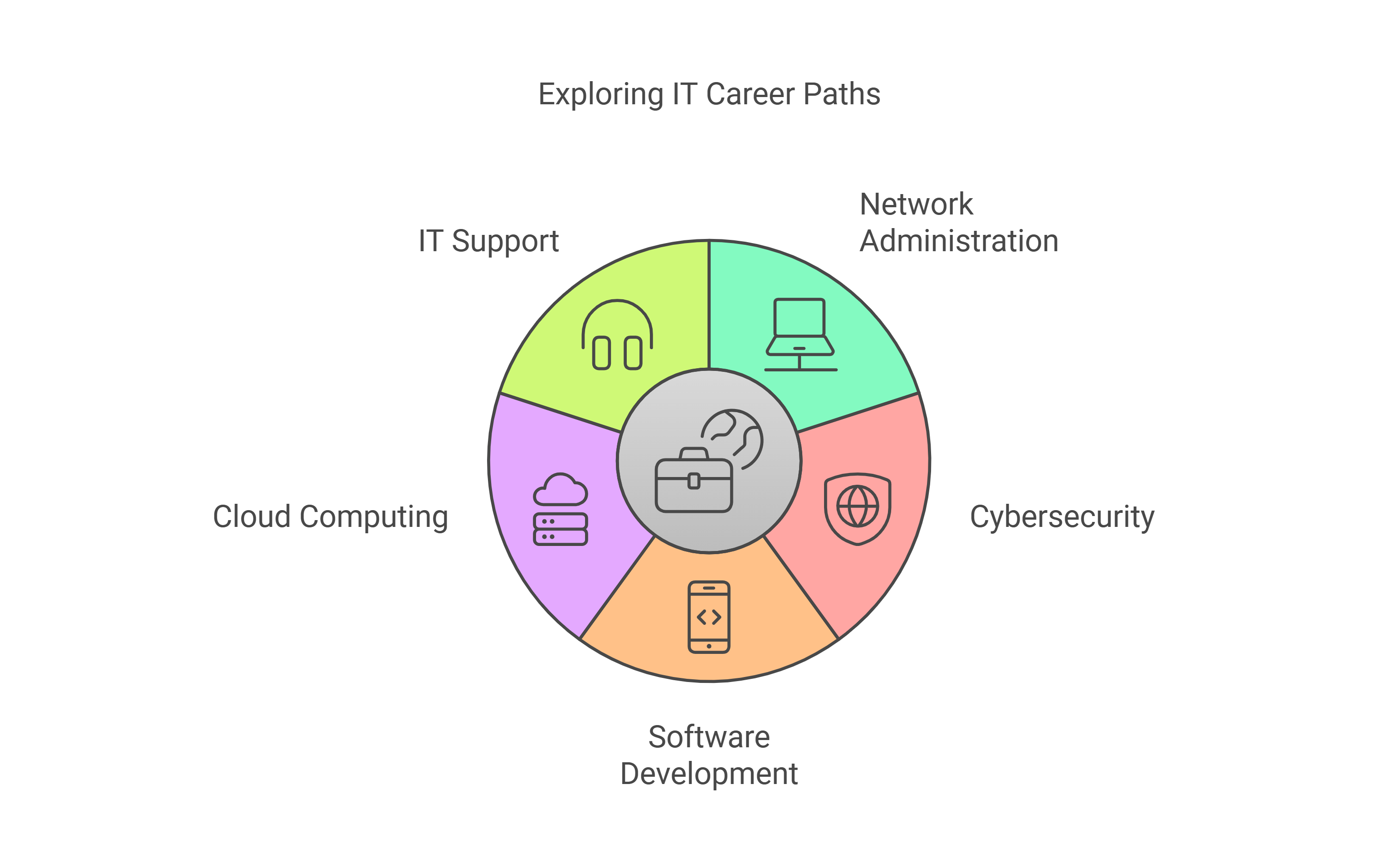
Many people don't realize just how diverse the IT field is. You don't need to be a programming genius to succeed in tech. Here are some popular career paths to consider:

  • Network Administration: If you enjoy building and maintaining systems that connect people and devices, network administration might be your calling. This role focuses on keeping organizations' networks running smoothly and securely.

  • Cybersecurity: With cyber threats on the rise, security specialists are in high demand. If you're passionate about protecting systems and data from malicious actors, cybersecurity could be an exciting path.

  • Software Development: For those who enjoy creating things from scratch, software development offers endless opportunities to build applications that solve real-world problems.

  • Cloud Computing: As organizations move their operations to the cloud, specialists who understand cloud platforms and infrastructure are becoming increasingly valuable.

  • IT Support: If you enjoy helping others and have strong communication skills, IT support roles offer a great entry point into the tech industry.
Practical Ways to Test the Waters

Before committing to an IT career, try these hands-on approaches to gauge your interest:

1. Set Up a Home Lab

Create a small network at home using old computers or virtual machines. This gives you practical experience with networking, operating systems, and troubleshooting without any risk.

2. Take Free Online Courses

Platforms like Coursera, edX, and freeCodeCamp offer excellent introductory IT courses. Start with basic concepts and see if they capture your interest.

3. Join Tech Communities

Participate in online forums, Reddit communities (r/sysadmin, r/ITCareerQuestions), or local tech meetups. These communities can provide valuable insights into daily IT work life.

Understanding the Reality of IT Work

While IT careers can be rewarding, it's important to understand the realities:

  • On-call responsibilities: Many IT roles require some level of after-hours availability for emergencies.

  • Continuous learning: Technology changes rapidly, requiring ongoing education and certification maintenance.

  • Problem-solving pressure: You'll often need to solve issues quickly while maintaining system uptime and user satisfaction.

Making Your Decision

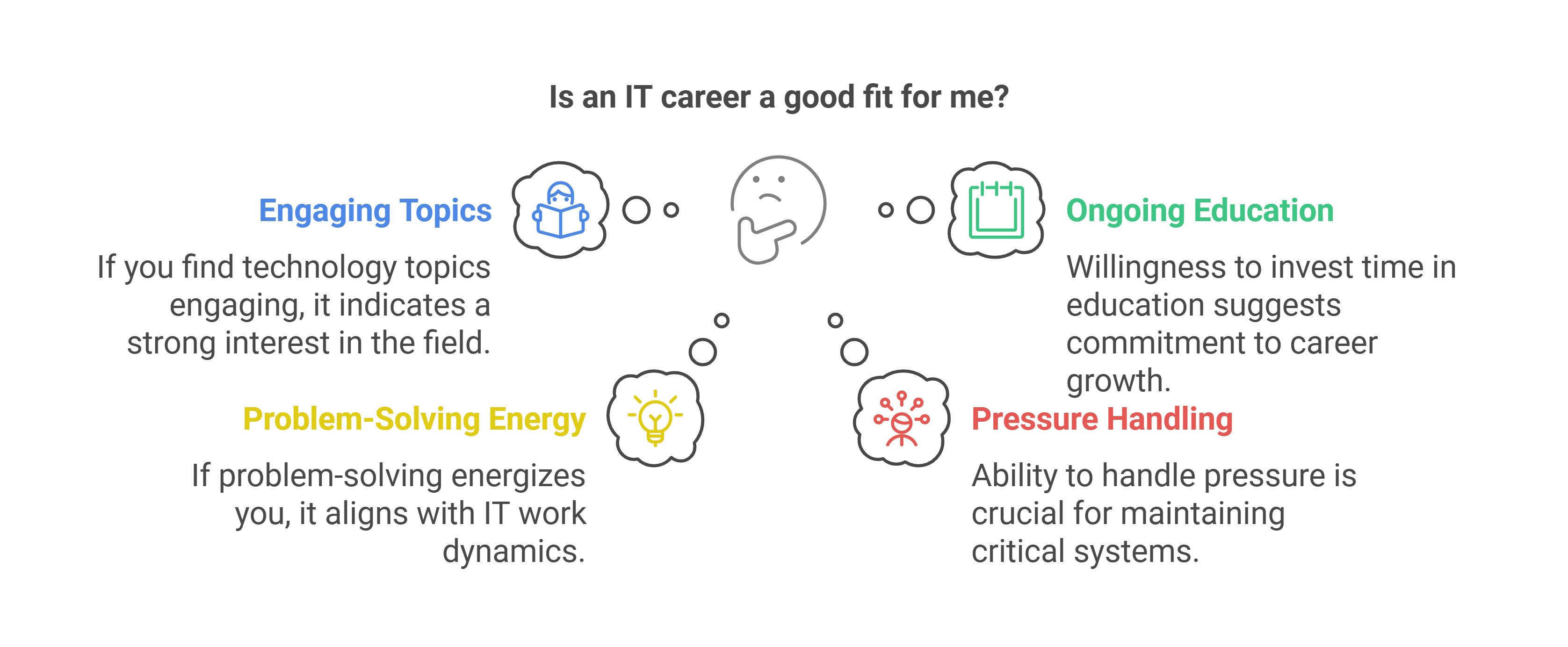
After exploring these aspects, ask yourself:

- Do you find technology topics engaging enough to learn about them even in your free time?

- Are you willing to invest time in ongoing education and certification?

- Does the problem-solving nature of IT work energize rather than drain you?

- Can you handle the pressure of maintaining critical systems?

If you answered yes to most of these questions, an IT career might be an excellent fit for you.

Next Steps

If you've decided to pursue an IT career, consider these initial steps:

1. Choose a specific path that interests you and research its requirements

2. Identify relevant entry-level certifications (CompTIA A+, Network+, or Security+ are great starting points)

3. Build a learning plan that includes both theoretical knowledge and hands-on practice

4. Network with IT professionals through LinkedIn and local tech events

5. Look for internship opportunities or entry-level positions

Remember, everyone's journey into IT is different. Some start with formal education, while others are self-taught. The key is finding the path that works best for you and your circumstances.

Frequently Asked Questions

How do I know if information technology is right for me?

Information technology might be right for you if:

- You enjoy solving technical problems and find technology interesting

- You're comfortable with continuous learning and adapting to change

- You have strong analytical and logical thinking skills

- You're patient and methodical in your approach to challenges

- You find satisfaction in figuring out how things work

- You're interested in both the technical and business aspects of technology

- You can maintain focus on detailed tasks for extended periods

How do I know if it is a good career for me?

IT could be a good career choice if:

- You're looking for job stability and growth opportunities (the tech sector consistently shows strong growth)

- You want competitive compensation (IT professionals typically earn above-average salaries)

- You enjoy working in dynamic environments where no two days are exactly alike

- You're interested in remote work opportunities (many IT positions offer flexible work arrangements)

- You like the idea of working in a field that impacts virtually every industry

- You're comfortable with both independent work and team collaboration

- You're willing to invest time in ongoing professional development

How to find the right IT career?

Finding the right IT career path involves several steps:

1. Assess your interests and strengths (e.g., do you prefer working with hardware or software?)

2. Research different IT specializations (networking, security, development, cloud computing, etc.)

3. Talk to professionals in different IT roles through LinkedIn or networking events

4. Try hands-on projects in different areas to see what you enjoy most

5. Consider the work environment you prefer (corporate, startup, consulting, etc.)

6. Look at job descriptions for different roles to understand day-to-day responsibilities

7. Evaluate the certification and education requirements for various paths

What is the easiest IT job to get hired?

Entry-level positions that often have lower barriers to entry include:

1. Help Desk/Technical Support: Many companies hire entry-level support technicians with basic certifications like CompTIA A+ and good customer service skills

2. Junior Network Technician: With Network+ certification and basic networking knowledge

3. Desktop Support Specialist: Requires basic troubleshooting skills and understanding of common operating systems

4. Junior Systems Administrator: Entry-level positions often accept candidates with relevant certifications and some hands-on experience

5. NOC (Network Operations Center) Technician: Often accepts entry-level candidates with basic networking knowledge

Remember that "easy to get hired" doesn't necessarily mean "easy to do." These positions still require technical knowledge and strong problem-solving skills, but they're often good starting points for building an IT career.

Mike G.

IT Certification Jump

CompTIA Beginner

0 Comments

Related Posts All Posts

Do IT Certifications Matter Without Experience? Here’s the Truth

Have you ever wondered if stacking IT certifications truly gives you an edge—or if employers still value hard-earned experience more? In today’s hyper-competitive tech job market, the debate around certification vs experience is louder than ever.Whether you’re just starting out or hoping to level up, knowing what hiring managers really want could be the key to unlocking career growth and landing your ideal job role. Let’s challenge what you’ve been told and uncover the truth.Are IT Certifications Worth It Without Experience? Challenging What You’ve Been ToldThe tech world can seem obsessed with certified professionals—every job posting or LinkedIn profile boasting a string of credentials. But is a certification enough to get your foot in the door if you lack actual work experience? Let’s break down the realities behind the emphasis on certifications, especially for early or mid-career tech pros.Certifications and experience act as powerful calling cards, especially for entry-level candidates. They promise hiring managers a certain foundational skill set backed by a reputable issuing organization. However, experienced employers know there’s a world of difference between passing a test and applying knowledge on the job. Certifications alone rarely tick all the boxes for job requirements , particularly for roles that demand hands-on problem-solving or workplace acumen.If you’re unsure whether certifications alone are enough to launch your career, understanding how employers evaluate certifications and experience is crucial. Let’s dig deeper into the trade-offs—and why relying on just one side of the equation can limit your potential for career advancement.For those considering which certifications can truly make a difference at the start of your IT journey, it’s helpful to explore which credentials are most valued by employers. You might find this overview of top entry-level IT certifications that actually get you hired especially useful as you weigh your options.What You'll Gain by Understanding Certification vs ExperienceDiscover how employers weigh certifications and practical experienceUncover which matters more for early and mid-career tech prosUnderstand how to balance your professional development for career growthCertification vs Experience: Defining the Debate in IT CareersThe ongoing debate of certification vs experience shapes hiring and promotion decisions in tech. On one side, certifications reflect structured learning and mastery of technical skills through training courses and exams. These credentials—sometimes even more than a college degree—show potential employers your dedication to your chosen field and your willingness to learn.On the other side, experience means practical, on-the-job lessons you gain through project delivery, teamwork, and day-to-day problem solving. It’s the evidence that you can translate textbook knowledge into real solutions—an area where experienced professionals stand out. Most hiring teams consider experience the clearest proof that you can adapt to fast-evolving job requirements in the tech world.What is the difference between certification and experience?Certification is often a badge earned by passing an exam or a series of training courses from a recognized issuing organization. It’s measured, objective, and easy for hiring teams to verify during the hiring process. Experience , by contrast, is tied directly to the work you’ve delivered in a real-world setting. That means exposure to the unexpected, developing a deep skill set beyond the theory, and gaining references from a previous employer to verify your capabilities.Crucially, both sides offer unique advantages. Certifications provide a quick proof of certain technical skills—even if you lack work experience—while experience confirms you can perform in a specific job role. Understanding the differences between certifications and experience is vital for shaping an optimal path for career growth.How Employers Weigh Certifications and Experience for Career GrowthThe approach to certification vs experience may vary depending on the employer’s needs, the tech sector, and the specific job. Entry-level roles often lean heavily on certifications because candidates may not have much practical exposure. Here, foundational credentials can open doors that might remain closed for those with only raw passion or informal learning.For mid-level and senior roles, however, hiring managers are laser-focused on proven work experience. They seek evidence that you can handle increasing responsibilities, lead teams, or drive significant results. Having both certifications and experience helps candidates stand out for promotions and strategic leadership opportunities.Certifications and Experience: Hiring Patterns in TechHiring FocusImportance to EmployersImpact on Career GrowthEntry-LevelCertifications Weighted HeavilyBoosts Initial Job ProspectsMid-LevelExperience and CertificationsUnderpins Promotions and PaySenior-LevelExperience DominatesDetermines Leadership RolesDoes Certification Count as Experience in IT Hiring?There’s a common misconception that simply holding a certification “counts” as equivalent to hands-on work experience. In reality, while certifications remain important, most hiring teams view them as evidence of theoretical or academic achievement—not as true substitutes for substantial, real-world learning.Certifications can show you’ve mastered concepts and can be a prerequisite to moving through an interview process , but they rarely check the same box as actually performing a specific job in the field.That said, certain certifications now embed practical labs or scenario-based testing—an attempt to bridge this gap. Even so, employers still weigh your ability to apply that knowledge through work experience above all. Certifications and experience both help you get noticed, but your experience is what ultimately convinces interviewers you can thrive in the role."Certifications may open the door, but experience walks you through." – Tech Industry LeaderCertifications and Experience: Which Is Better for Career Advancement?The question often isn’t which is better— certifications or experience —but rather how to use both strategically for career advancement. For those starting out, certifications in highly sought areas (cloud computing, networking, cybersecurity) can open doors that otherwise require years of work experience to unlock. You demonstrate a baseline of knowledge aligned with the latest technological standards.For those eyeing a mid-level or senior job role , experience takes top priority. It proves your resilience and ability to adapt in a dynamic environment. The best approach is to treat certifications as foundation stones—stepping stones toward greater responsibility, not as replacements for experience.Which is better, experience or qualification?Experts widely agree that in the world of IT and tech , neither certifications nor experience alone can carry your career forever. Qualifications can help you land that vital first or second role, but robust experience and a diverse skill set will propel you forward, especially when leadership or specialized expertise is required. Ultimately, the relative importance of each shifts as you advance in your chosen field.IT Career Growth: Balancing Certifications and ExperienceStriking the right balance between certifications and experience isn’t always clear-cut. For early-career professionals , obtaining respected foundational certifications—such as CompTIA A+, CCNA, or AWS Certified Solutions Architect—can signal instant value to employers. However, supplementing those certs with hands-on projects, internships, or even volunteer opportunities is what builds a comprehensive skill set recognized in any hiring process.As technology rapidly evolves, continuous learning is non-negotiable. Employers expect candidates to actively update skills through both training courses and real-world problem solving. Staying relevant is the only way to outpace the competition and consistently find new career growth opportunities as an experienced IT professional.Combine foundational certifications with hands-on projects to stand outLeverage internships and volunteer work to complement your technical credentialsContinuously update skills to stay relevant in the tech industryWhat's the Difference Between Qualifications and Experience?Qualifications , such as certifications, diplomas, or degrees, reflect your formal accomplishments through structured learning. Employers value these because they signify a standard of excellence verified by an external body. However, having only qualifications can sometimes signal a lack of the agility needed in ever-changing tech environments.Experience demonstrates how you perform when facing real-world challenges, from technical troubleshooting to managing teams and delivering against tight deadlines. While qualifications secure attention during the hiring process , experience sustains your momentum and builds leadership credibility. For holistic career advancement, both are essential—but rely too heavily on either, and you may encounter barriers to growth.Overcoming Common Misconceptions: Certifications and Experience in TechToo often, job seekers assume that certifications and experience alone will guarantee employment. Yet surveys of leading hiring teams show a clear pattern: certifications get you noticed, but without supporting evidence of real work experience or applicable technical skills , offers remain rare. Employers crave candidates who balance the rigor of structured learning with a demonstrable record of impact.The best path to career growth in tech is a balanced one—supplementing certifications and experience by actively accumulating hands-on skills, and constantly updating both as technologies evolve.Myth vs Reality: Do Certifications Guarantee a Job Without Experience?Myth: Certifications alone guarantee employment Reality: Most tech recruiters seek a blend of practical and theoretical knowledgeAnalysis: How Hiring Managers View Certifications and ExperienceIn recent video interviews with hiring managers, a common theme emerged. Most believe certifications validate determination and a desire to learn, which is helpful in the initial screening. Yet, when making final hiring decisions, these leaders rely far more on descriptions of previous employer projects, technical challenges overcome, and a clear fit for the specific job role. Balanced candidates—those who pair certifications with a track record of real results—are considered top talent and move fastest through the hiring process.Ultimately, while certifications may help "open doors," it’s your portfolio of experience and impact that delivers job offers and consistent career growth.Top Certifications That Can Accelerate Career Growth Without Traditional ExperienceCompTIA A+Cisco Certified Network Associate (CCNA)AWS Certified Solutions ArchitectMicrosoft Certified: Azure FundamentalsPeople Also AskWhat is the difference between certification and experience?Certification is a formal recognition that you have mastered a specific set of skills or knowledge—usually awarded after passing standardized exams or training courses. Experience is the hands-on practice you gain by actively working in the industry, solving real problems, navigating workplace challenges, and exceeding job expectations. Both play key roles in shaping a successful IT career.Does certification count as experience?While certifications demonstrate technical competence and knowledge, most employers consider them separate from actual work experience. Certifications boost your profile in job applications, but they do not replace the impact and credibility that come from performing a job in the field. Experience is earned through practice, not just study.Which is better, experience or qualification?It depends on where you are in your career growth. For entry-level candidates, a well-known certification can help you qualify for interviews and meet job requirements. In contrast, as you progress to mid-level or leadership roles, proven work experience becomes significantly more important in advancing your career.What's the difference between qualifications and experience?Qualifications—such as certifications, degrees, or diplomas—are formal markers of completed structured learning and skill assessments. Experience demonstrates your ability to thrive in real work environments, adapt to changing requirements, and contribute effectively to a team or organization. Combining both creates the strongest foundation for long-term career advancement.Industry Leaders on Certification vs Experience"A certification may get your resume past the first filter, but real progress demands proven results." – CTO, Global Tech Solutions"We hire for attitude and aptitude, but promote based on experience." – Senior HR Manager, Fortune 500 CompanyFrequently Asked Questions About Career Growth Through Certifications and ExperienceHow do I choose between pursuing certifications and gaining experience? Match your approach with your immediate goals: if you’re entering a new technical field, begin with foundational certifications to prove readiness for interviews. Simultaneously, seek internships or volunteer roles that provide hands-on experience.Can certifications help if I’m making a career switch? Absolutely. Certifications demonstrate commitment and knowledge, making you a credible candidate for entry-level opportunities in your new field—even if your past experience lies elsewhere.Will experience outweigh certifications as I advance? Yes. As you progress, employers prioritize leadership, adaptability, and past impact. These are proven through accumulated work experience, complemented by up-to-date certifications.Crafting Your Path: Blending Certification and Experience for Ultimate Career GrowthStart with relevant, respected certifications in your chosen IT fieldSeek internships or real-world projects to gain hands-on experienceContinuously update your certifications as technologies evolveDocument achievements and quantify your impact in each roleFinal Thoughts: Making Certification vs Experience Work for YouIt doesn’t have to be certification versus experience — it’s how you use both that counts. Let your certifications validate your knowledge while your hands-on work proves you can deliver in the real world. Treat them as stepping stones you can alternate between: study, apply, reflect, repeat, and you’ll supercharge your growth faster than choosing one path alone. Pick certifications that map to your goals, then turn every new concept into a small project, a portfolio entry, or an on-the-job win. Do that consistently and you’ll be unstoppable in the tech industry — so choose one cert to pursue and one project to build this week, and get moving.Ready to Take Charge of Your Career Growth?Whether you’re new to IT or looking to break through the next ceiling, don’t choose between certification vs experience —embrace both. Start your journey today and craft a path unique to your goals!If you’re eager to go beyond the basics and truly master the art of IT career development, consider exploring advanced strategies that blend learning with real-world application. Our comprehensive resource on IT certification success beyond the books dives deeper into actionable steps, mindset shifts, and proven techniques for long-term growth.By expanding your approach, you’ll not only stand out in a crowded field but also future-proof your skills as technology evolves. Take the next step and unlock your full potential in the tech industry.When evaluating the importance of certifications versus experience in IT careers, it’s essential to consider insights from industry experts. The article “Ask the IT Career Doctor: Certifications vs. Experience” on Dice.com emphasizes that while certifications can indicate knowledge in a given area, they don’t demonstrate the ability to apply that knowledge in the workplace. Employers often prioritize candidates with a proven track record of real-world contributions. Similarly, the piece “IT Certifications vs Experience vs Degree | What’s Most Important” from ITCareerFinder.com highlights that while certifications are valuable, real-world experience remains the best indicator of how well you will perform on a new job. Employers look to your actual experience to grasp how well you are able to execute in a work setting.If you’re serious about advancing in the IT field, these resources provide valuable perspectives on balancing certifications and practical experience to enhance your career prospects. ITCertificationJump.com

Is This the Easiest Programming Language to Learn? Find Out!

Wondering which programming language beginners find easiest? Discover the language that makes coding simple and fun, and see how it can jumpstart your tech journey with less frustration and more success. Ready to unlock your coding potential effortlessly?Discover Why the Easiest Programming Language to Learn Matters for Your Coding JourneyChoosing the easiest programming language to learn is a pivotal step for any aspiring coder. The path you start on can impact your confidence, pace, and overall success as you learn programming. A beginner-friendly, easy to learn programming language not only reduces the risk of early discouragement but sets a positive tone for your ongoing learning process. Starting with the right language means spending less time puzzled by syntax and more time mastering essential programming concepts and solving real problems.For many, the journey into software dev, web development, or data science begins with a language that’s approachable and well-supported. The simplest programming language provides a smoother transition from thinking about logic to actually building things.Strong community support, abundant learning resources, and clear error messages make learning less intimidating. Ultimately, your starting point shouldn't hold you back; it should invite you in, keep you motivated, and help you build skills that are in high demand on the job market.How Choosing the Easiest Programming Language Impacts BeginnersFor beginners, selecting an easy to learn programming language can make the difference between struggling to understand basic concepts and confidently creating your first working programs. Intuitive languages minimize confusion—a clean syntax with fewer special symbols (such as curly braces) means less time hunting for missed punctuation and more time seeing your code run as expected. With the right language, you can prototype creative ideas, build web pages, and even dabble in machine learning without years of prior experience.Beyond ease of use, the plainspoken programming language is often supported by plenty of tutorials, online courses, and beginner-focused communities. This aspect is crucial since the initial learning process is often filled with questions and small errors, especially when you get your first error messages.Having a supportive environment makes sense for new learners, turning what might be roadblocks into learning opportunities. In many cases, the fastest way to build foundational skills is simply to dive into a language designed for accessibility.As you explore which language to start with, it's also helpful to consider how your learning environment and available tools can shape your experience. For those interested in hands-on experimentation and interactive learning, platforms like Jupyter Notebooks and Azure ML Studio offer beginner-friendly ways to practice coding and data science concepts. You can learn more about these practical tools and how they support new programmers in this field guide to Jupyter Notebooks, Azure ML Studio & Friends.What You'll LearnKey traits of the easiest programming language for beginnersComparison of leading programming languages for ease of learningReal-world applications made possible by easy to learn programming optionsExpert insights on selecting the right beginner programming languageStrategies and resources to help you start learning quicklyWhat Defines the Easiest Programming Language to Learn?Identifying the simplest programming language to learn involves more than counting how many people use a specific language. True beginner-friendliness is built into the language’s design. The ideal starting point features a clean syntax—meaning the instructions you type mimic everyday language as closely as possible and avoid unnecessary symbols or complicated structure. But ease of learning also comes from robust support, accessible documentation, and a forgiving approach to errors.It’s not just about mastering the commands—a language’s ecosystem also matters. Popular languages with large communities will provide more abundant and diverse learning resources, making it easier to find help when you get stuck. For an aspiring software developer or a future data scientist, choosing a language with real-world relevancy and supportive infrastructure is key in reaching your goals quicker and with less frustration.Core Features of an Easy to Learn Programming LanguageClear and concise syntaxComprehensive learning resourcesUser-friendly error messagesHigh demand in the job market"Many beginners credit clear syntax and robust learning resources as the most crucial aspects when starting their programming journey." – Dr. Karen Wu, Software Engineering ProfessorComparing the Easiest Programming Languages for BeginnersTable: Side-by-Side Comparison of Easiest Programming LanguagesLanguageSyntax ClarityError MessagesPopular Use CasesCommunity SupportLearning ResourcesPythonVery high (English-like, minimal punctuation)User-friendly, clearWeb development, data science, automation, scriptingExtensive, globalExtensive tutorials, docs, coursesJavaScriptHigh (familiar to many, some quirks)Descriptive, browser-basedBuilding web apps, dynamic web pagesVery large, activeLots of free online contentRubyVery high (readable, minimal symbols)Helpful, beginner-orientedWeb backends, scriptingWelcoming, responsiveComprehensive guides, booksScratchN/A (block-based visual coding)Visual hints, instant feedbackGame creation, teaching kidsFriendly to young learnersLesson plans, videosSwiftHigh (especially with Swift Playgrounds)Modern, clearMobile app, iOS, Apple devicesRapidly growingOfficial guides, interactive toolsWhy Python Is Often Named the Easiest Programming Language to LearnSimple, English-like syntaxWidely available tutorials and guidesVersatility for web, app, and data projectsActive global community"Python’s readability and straightforward approach make it a favorite for educators and first-time programmers alike." – David Kim, Senior Software DeveloperPython stands out among easy to learn programming languages due to its approachable design and active ecosystem. Unlike some popular languages that require understanding curly braces or complex punctuation, Python’s clean syntax allows you to focus on problem-solving, not arcane grammar.Its strong presence in web development, data science, and machine learning means your beginner projects can lead directly into high-demand fields without needing to relearn too much.The overwhelming availability of learning resources—ranging from interactive tutorials to free bootcamps—ensures even absolute beginners have supportive pathways to success. Python’s error messages are typically clear and designed to help novices pinpoint and correct simple mistakes.For many, it just makes sense: starting with a language that stays relevant as you grow your skills streamlines the learning process and maximizes your future job opportunities in tech.Other Programming Languages Often Considered 'Easy to Learn'JavaScript: Best for building web applicationsRuby: Praised for readable syntax and active communityScratch: Visual learning for absolute beginnersSwift: User-friendly for building iOS and mobile appsWhile Python is often called the most straightforward programming language to learn, other languages offer beginner-friendly experiences depending on your interests. JavaScript unlocks the ability to build web apps that work directly in the web browser.Ruby’s clean syntax is beginner-friendly and is especially renowned for web backends, while Scratch takes a revolutionary approach with its block-based, visual interface, focusing on the absolute basics of logic and sequencing—perfect for younger learners or those who want a gentle introduction.Swift is a great entry point if your aim is mobile app development, especially on Apple platforms. Each of these languages provides comprehensive learning resources to help beginners build web, mobile, or simple projects.Real-World Applications and Demand: Building With the Easiest Programming LanguageFrom Web Development to Mobile Apps: What Can You Create?Build web platforms with JavaScript or PythonCreate mobile app prototypes using Swift or PythonDevelop automation scripts for daily tasksExplore data analysis projects"Starting with an easy to learn language lets learners see quick results—be it a website, app, or a data project—which keeps motivation high." – Jessica Lee, Coding Bootcamp InstructorWith the simplest programming language to learn at your fingertips, you’ll be surprised how quickly you can move from basics to real-world projects. Whether you want to build web pages or entire web apps, try your hand at mobile app development, or automate daily tasks, the journey is far more manageable with the right starting point. For many, immediate results provide the encouragement needed to keep learning and to eventually contribute to both personal and professional projects.The practical skills gained serve as stepping stones to more advanced fields like data analysis, machine learning, or even building full-fledged web backends. The accessibility, versatility, and fast feedback loop of beginner-friendly languages means that you can enjoy building things from day one, while steadily building your confidence and experience.High Demand and Job Opportunities for Beginner ProgrammersCommon entry-level roles requiring easy to learn programming languagesGrowing industries in tech, data science, and software engineeringThe skills you gain by mastering an easy to learn programming language are sought after in a rapidly expanding digital job market. Roles such as junior software developer, QA tester, data analyst, and website content specialist all value practical coding ability—especially in languages widely recognized for their beginner-friendliness. Tech organizations recognize that programmers who have learned sought-after languages like Python or JavaScript can quickly adapt and grow into more complex roles.As industries in web development, data science, and software engineering continue to grow, so does the need for talented developers with strong foundations. Beginning with the forthright programming language to learn is not just about simplicity; it’s a direct pathway into industries that are dynamic, lucrative, and future-proof."Employers are looking for solid foundational skills—starting with a beginner-friendly language puts you on the fast track to a coding career." – Priya Shah, Technical Recruiter, CodeBridge TalentCommon Challenges With Easy to Learn Programming LanguagesTypical Error Messages and How to Overcome ThemSyntax errors and simple misstepsRead and interpret error messagesWhere to get quick help: forums and documentationEven the simplest programming language to learn will present stumbling blocks—most commonly, error messages that can seem confusing at first. Syntax errors, such as a missing parenthesis or misspelled word, are among the most frequent issues beginners encounter. The good news? Readable error messages and comprehensive online help make overcoming these obstacles less intimidating.If you hit a snag, don’t get discouraged. Online platforms like Stack Overflow, the official documentation, and beginner coding forums are full of people ready to help. Learning how to interpret error messages is a crucial part of the process, and with consistent practice, you’ll find that troubleshooting becomes second nature. Think of every error as a learning opportunity—a stepping stone toward mastery.Accessing Reliable Learning Resources for the Simplest Programming LanguageOnline tutorials and video seriesInteractive coding platformsCourseware from universities and bootcampsAccess to quality learning resources can define your experience as a beginner in programming languages. The best programming language for you is often the one with the richest ecosystem of tutorials, interactive labs, and community-created guides. Utilizing platforms like Codecademy, free online video classes, or university-backed courseware gives you structured, clear pathways to progress.Many beginners also benefit from interactive coding environments where you can write, test, and debug your code instantly. These platforms provide instant feedback and allow you to learn by doing, which is proven effective for retaining new concepts. Don’t hesitate to explore university or bootcamp offerings if you prefer a guided experience—they’re often built around the easiest programming language to learn, ensuring your entry is smooth and rewarding.Expert Tips: How to Make the Most of Learning the Simplest Programming LanguageStrategies for Rapid ProgressCode daily, even in small incrementsJoin beginner-friendly coding communitiesPractice with mini projectsRapid progress in programming relies on consistent practice and exposure to real code. Dedicate daily time—even brief sessions—to coding: this habit turns abstract concepts into practical skills through repetition and experimentation. Joining beginner-friendly communities (such as online forums, Discord groups, or local meetups) surrounds you with others on a similar journey, providing encouragement and accountability.Focus on mini projects that interest you, whether it’s a simple web page, a data analysis script, or a game. Projects not only reinforce programming concepts but also produce tangible results you can show off or share.Remember, building things is central to learning—real-world application cements what tutorials teach. By combining these strategies with a programming language designed for accessibility, you'll overcome obstacles and reach milestones quickly.Leveraging Community Support and Real-World PracticeCollaborate on open-source projectsAttend code-alongs and workshopsShare your progress for feedbackCommunity support amplifies your learning experience. Participating in open-source projects—or even just browsing their code—offers exposure to real-world practices and lets you contribute meaningfully as you learn. Code-alongs, hackathons, and hands-on workshops are perfect opportunities to build practical skills, meet mentors, and get your questions answered in real time.Don’t be shy about sharing your progress, even if your project feels small—public feedback helps you grow and connects you to like-minded coders who can offer tips or encouragement. Remember, everyone starts somewhere, and the most important step is the one you take today toward mastering the easiest programming language to learn.People Also AskIs C++ harder than Python?Answer: For most beginners, C++ is considered more challenging due to complex syntax and stricter rules, while Python is widely regarded as an easy-going programming language to learn because of its readability and simplicity.Is 25 too old to start coding?Answer: Absolutely not. There is no age limit for learning the simplest programming language or starting a career in programming. Many successful developers began coding later in life.What coding did Elon Musk learn?Answer: Elon Musk started coding with BASIC, an early and easy to learn programming language designed for beginners, before moving to more advanced languages over time.Is coding harder than math?Answer: Coding and math are different skill sets. The most comfortable programming language to learn often requires logical thinking more than advanced mathematics, especially for beginners.Frequently Asked Questions (FAQs) About the Easiest Programming Language to LearnWhich programming language is best for absolute beginners?Python is often the top recommendation for those just beginning their programming journey. Its straightforward syntax and robust ecosystem of learning resources make it ideal for understanding programming basics, building web pages, and starting with data projects. However, if your main focus is interactive web development, JavaScript is also extremely beginner-friendly.How quickly can I learn the easiest programming language?For most beginners, dedicated daily practice via tutorials and small projects can lead to basic proficiency in the easiest programming language to learn within a few weeks. Consistent effort and seeking help when needed will accelerate your progress. Choosing a language with ample community support and interactive platforms ensures you steadily build essential skills at your own pace.Do I need a technical background to start learning programming?No prior technical experience is required to begin with the easiest programming language to learn. Modern languages like Python are specifically designed to be approachable for non-technical learners, and most learning resources assume you’re starting from zero. The most important asset is curiosity and the willingness to experiment and learn from small mistakes.Key Takeaways for Choosing the Easiest Programming Language to LearnPython is often considered the top choice thanks to its readability and versatility.Choose a language aligned with your goals—web, mobile app, or data science.Leverage community support and abundant learning resources for success.Beginner-friendly languages minimize frustration and maximize results.Ready to Start With the Easiest Programming Language? Your Next StepsFor more great IT certification training content, visit: ITCertificationJump.comConclusionThe easiest programming language to learn is your gateway to building confidence and unlocking future tech opportunities—choose wisely, persist, and your coding journey will be rewarding and empowering.As you take your first steps into programming, remember that choosing an accessible language is just the beginning of your tech journey. If you’re still wondering whether an IT career is the right fit for you, or want to explore the broader landscape of opportunities and personal growth in technology, consider reading this comprehensive guide on discovering if an IT career is for you.It offers practical advice, self-assessment tips, and insights to help you align your learning path with your long-term goals. Exploring these perspectives can empower you to make informed decisions, build confidence, and unlock new possibilities as you grow from beginner to tech professional.SourcesfreeCodeCamp – https://www.freecodecamp.org/news/what-are-the-easiest-programming-languages-to-learn/Real Python – https://realpython.com/python-beginner-tips/Codecademy – https://www.codecademy.com/resources/blog/best-programming-languages-to-learn/When starting your programming journey, selecting a language that aligns with your goals and offers a gentle learning curve is crucial. For those interested in web development, JavaScript is indispensable, enabling the creation of interactive websites and applications. Its widespread use and immediate visual feedback make it a practical choice for beginners. (forbes.com)Alternatively, if you’re aiming to develop applications within the Apple ecosystem, Swift provides a modern and readable syntax, making it accessible for newcomers. Apple’s support through tools like Swift Playgrounds further facilitates the learning process. (softensity.com)Exploring these resources will help you make an informed decision and set a solid foundation for your programming endeavors. ITCertificationJump.com

How SecAI+ is Separating Modern Security Pros from the Rest of the Pack

CompTIA SecAI+: Master AI-Driven Cybersecurity Tactics with the CompTIA SecAI+ certification. Learn to outsmart threats, embrace responsible AI, and future-proof your tech career.Did you know that professionals armed with the CompTIA SecAI+ certification outpace peers by mastering cutting-edge AI-driven security tactics? In today’s cybersecurity landscape, AI systems are no longer a futuristic concept—they’re the new normal. CompTIA SecAI+ emerges as a game-changing credential, empowering savvy pros to outsmart threats, embrace responsible AI, and future-proof their tech careers.Let’s explore what makes CompTIA SecAI+ the certification separating leaders from the rest and why it’s fast becoming non-negotiable in modern cybersecurity environments.Unlocking Competitive Advantage: What You’ll Learn About CompTIA SecAI+The essentials of the CompTIA SecAI+ credential and its industry impactCore concepts of AI systems in cybersecurity as validated by CompTIA SecAI+How CompTIA SecAI+ future-proofs security careersExpert opinions and practical insights on upskilling with this certificationGaining the CompTIA SecAI+ certification isn’t just about passing an exam—it's about arming yourself with the critical, real-world tools modern cybersecurity professionals need to navigate the rapidly evolving threat landscape. The credential focuses on advanced AI and machine learning integration in cybersecurity, ensuring practitioners understand how to apply AI for smarter monitoring, swift incident response, and predictive defense.With AI adoption skyrocketing, the SecAI+ sets a powerful benchmark—for employers and employees alike. Organizations recognize that those who hold this certification are more than just security practitioners: they’re innovators ready to leverage AI technologies to stay a step ahead of the bad actors.Whether you’re entering the cybersecurity field or seeking to solidify your expertise, CompTIA SecAI+ gives you the skills to defend against emerging, sophisticated threats in modern cybersecurity environments.As you explore the unique advantages of CompTIA SecAI+, it's also valuable to understand how artificial intelligence is actively transforming specific security practices. For a closer look at the intersection of AI and penetration testing, see how AI is reshaping the penetration testing landscape and what this means for hands-on security professionals.The Rise of CompTIA SecAI+: Why It Matters to Modern Security ProsCompTIA SecAI+ is rapidly becoming the industry standard for those who wish to not just follow but lead in the age of AI-powered security. In a rapidly evolving digital world, cyber defenders face relentless innovation on both sides of the fence—threat actors are leveraging AI systems just as organizations are. This makes responsible AI expertise essential for today’s security teams.By focusing on the direct application of AI technologies to real-world security challenges, SecAI+ fills a critical gap missed by legacy certifications. It addresses risk management in AI deployments, governance, and the integration of secure AI systems into an organization’s security posture.According to industry experts, professionals who attain this credential build the skills required to anticipate, detect, and respond to threats with agility, preparing them for leadership roles in security operations.“Professionals with CompTIA SecAI+ are not just ahead of the curve—they’re building the curve in AI-driven security.”How CompTIA SecAI+ Compares: Redefining Standards for Security CertificationThere’s no shortage of cybersecurity certifications, from CEH and CISSP to the many CompTIA certifications. However, when it comes to integrating AI systems and machine learning into daily defense, few match the depth of focus found in CompTIA SecAI+. This credential is the only major certification focused specifically on AI adoption and its secure deployment in modern environments.The certified knowledge base is immediately relevant: learning how to apply AI in penetration testing, automated threat intelligence, and security controls. The demand for these unique skills reflects in the talent search of top employers—demonstrating expertise in secure AI often results in preferred status and better salary prospects.Security Certification Comparison: CompTIA SecAI+ vs. Leading AlternativesCertificationAI Systems CoverageExam DifficultyCurrent RelevanceJob Market ValueCompTIA SecAI+High – Advanced AI integration, responsible AI, and security controlsModerate (tech-focused, practical scenarios)Very High – Aligned with rapid AI adoption trendsEmerging market demandCEH (Certified Ethical Hacker)Low – Focus on traditional penetration testingHighMedium – Foundational in ethical hackingStable, general security rolesCISSPMedium – Governance, limited AI coverageHighHigh – Management, policy-centricHigh, especially for leadershipMastering AI Systems With CompTIA SecAI+: Essential Skills BreakdownApplying AI systems to threat detection and responseUsing machine learning for enhanced incident analysisIntegrating AI with traditional security protocolsCompTIA SecAI+ is designed to equip cybersecurity professionals with a deep, hands-on understanding of how to apply AI effectively within real-world environments. This means learning to analyze streams of security data, identify novel attack vectors, and deploy automated countermeasures—all fueled by advanced AI systems and machine learning. The exam and curriculum are built on practical, scenario-based problems that ensure you can translate theoretical AI knowledge into business-critical results.Not to mention, the credential reflects on growing industry needs—IT teams are seeking experts who don’t just manage static protections but proactively leverage AI’s dynamic nature. You’ll learn about the deployment environments for AI tools, how to align their use with ethical and regulatory standards, and how to integrate AI-driven incident response with existing security operations. These skills make you invaluable in organizations looking to modernize.Real-World Impact: How Security Teams Leverage CompTIA SecAI+Case studies of organizations elevating their defense postureTestimonials from successful CompTIA SecAI+ holdersOrganizations that encourage or require their teams to obtain CompTIA SecAI+ certification report measurable gains in their cybersecurity posture. For example, in one healthcare enterprise, SecAI+ holders led the implementation of AI-driven monitoring, which reduced average incident detection time by over 60%. The documented expertise in advanced AI systems allowed for a smoother integration of automation and increased regulatory confidence in security audits.Testimonials abound from professionals who have not only landed coveted roles post-certification but have been recognized as champions for next-generation cybersecurity strategies. Their feedback highlights the practical value of learning how to leverage AI technologies for continuous protection, smarter compliance, and better business outcomes. SecAI+ is paving the way for new standards in both individual and organizational success.List: Top Benefits of Earning the CompTIA SecAI+ CertificationBetter salary prospects for certified professionalsDemonstrable expertise in AI systems and security innovationPreferred status among employers seeking next-gen security talentWhen you earn CompTIA SecAI+, you unlock a spectrum of tech career opportunities—and you signal that you’re ready for the most cutting-edge roles in modern cybersecurity. Organizations are increasingly on the lookout for talent that understands the complexities of secure AI integration. SecAI+ holders are first in line for promotions, raises, and roles in AI security innovation labs.Beyond the financial impact, the certification gives you preferred status among both peer professionals and hiring managers. It’s a clear marker of your ability to apply AI for both everyday operations and strategic projects, making you indispensable as AI becomes foundational to organizational defense strategies.CompTIA SecAI+ and AI Systems in SecurityWhat is CompTIA SecAI+?CompTIA SecAI+ is a certification focused on equipping cybersecurity professionals with the tools and knowledge required to apply AI systems in securing modern digital environments. It covers AI’s use in threat detection, automated response, and ethical implementation, bridging the gap between traditional security approaches and today’s AI-driven landscape.How does CompTIA SecAI+ certification differ from other security credentials?Unlike other certifications which may overlook AI entirely or treat it as an afterthought, CompTIA SecAI+ makes AI adoption central to its curriculum. It’s designed for those who want to leverage AI technologies and machine learning, delivering immediately applicable skills for modern cybersecurity environments where threats use automation and data-driven tactics.Why is AI becoming central to modern security practices?AI enables real-time threat detection, adaptive defense mechanisms, and the capacity to analyze enormous volumes of security data beyond human capabilities. As cyber threats become more sophisticated and automated, only responsible AI and secure AI systems can keep pace, making AI central to all contemporary security operations.Can CompTIA SecAI+ certification boost career growth for IT professionals?Absolutely. CompTIA SecAI+ is recognized by top employers as proof of exceptional ability to manage advanced technology and innovate in security. It provides a competitive edge for roles in AI security, penetration testing, governance, and incident response, accelerating tech career growth and advancement into leadership.What types of roles benefit most from CompTIA SecAI+ certification?The certification benefits a wide range of professionals, especially those in security operations, penetration testing, risk management, and IT governance. It also serves specialists aiming to design, assess, or manage AI deployments—those responsible for integrating AI into a company’s core defenses.AI Systems in Practice: Transformative Security Use CasesAI in phishing detection and preventionAutomated vulnerability management with AIReal-time threat intelligence and response using machine learningAI is not just theory—it's being deployed right now to solve the hardest security problems. With CompTIA SecAI+, professionals learn how to apply AI for phishing mitigation, augmenting traditional spam filters with behavior-based detection that understands the subtle markers of spear-phishing. Automated vulnerability management leverages machine learning to scan, categorize, and even patch weaknesses at speeds no manual process could approach.Perhaps most transformative, AI-driven threat intelligence platforms leverage AI and continuous machine learning to process billions of logs, identify patterns, and warn security teams about zero-days or emerging ransomware in real time. As enterprises demand more from their defenses, SecAI+ equips pros to drive this evolution.Overcoming Challenges: Preparation Tips for the CompTIA SecAI+ ExamRecommended study strategies for mastering AI system conceptsUseful resources for CompTIA SecAI+ aspirantsPreparing for the CompTIA SecAI+ exam requires a focus on both theory and application. Start by studying foundational AI and machine learning principles as they pertain to cybersecurity—using an official learning product, such as the CompTIA expansion series, can help. Integrate practical labs and simulated scenarios to solidify how advanced AI is deployed for problem-solving, compliance, and risk management.Leverage community forums, reputable gov websites, and up-to-date online courses to keep pace with rapidly evolving threats and solutions. Practice applying your knowledge in mock environments using AI tools for incident response and security automation. The more hands-on, the better: CompTIA SecAI+ rewards practical proficiency above memorization.FAQs: CompTIA SecAI+ and the Next Generation of Security ProfessionalsHow often is the CompTIA SecAI+ exam updated for new AI threats?The CompTIA SecAI+ certification is periodically reviewed and updated to keep pace with the rapidly evolving landscape of AI-driven attacks and defense solutions. This ensures that certified professionals remain at the top of modern cybersecurity best practices.Is previous AI experience necessary to pursue CompTIA SecAI+?While previous AI experience is helpful, it’s not mandatory. CompTIA SecAI+ is designed with a broad audience in mind, providing sufficient groundwork in AI systems and applications for those with traditional IT and security backgrounds.What continuing education is recommended after earning CompTIA SecAI+?After achieving SecAI+, consider progressing with further CompTIA certifications or specialized tracks in AI security and advanced risk management. Staying current with expansion series and official learning products is also advised.Key Takeaways: Positioning Yourself as a Leader with CompTIA SecAI+CompTIA SecAI+ is increasingly a benchmark for AI security expertiseModern security roles prioritize AI-driven skillsetsCertification opens doors to advancement and influenceSecAI+ is rapidly becoming the “gold standard” for those wanting to lead in AI security. Professionals and organizations alike are restructuring teams and hiring practices around those with validated AI-driven skills—marking you as an influencer for tomorrow’s security solutions.Future security professionals will look to SecAI+ as the beginning of a journey towards mastery in secure AI systems and incident response, ultimately setting you apart in the job market and inside your organization.Also take a look at these:The “Ghost in the Machine” Strategy: Building a Cyber Career Without a DegreeHow to Break Into Cybersecurity Without Prior IT ExperienceCybersecurity Specialist vs Cybersecurity Technician vs IT Security Specialist: What’s the Difference (and Why Should You Care)?Conclusion: Why CompTIA SecAI+ Is Non-Negotiable for Future Security LeadersThe world of cybersecurity is changing—and with CompTIA SecAI+, you become a force for innovation and resilience, defining what it means to lead and protect in an AI-first world.If you’re inspired to deepen your expertise in AI-driven security, consider broadening your perspective on how artificial intelligence is revolutionizing the entire penetration testing field. Exploring the evolving relationship between human pentesters and AI-powered tools can reveal new strategies for staying ahead of cyber threats.For a comprehensive look at these industry shifts and to discover advanced approaches that can further elevate your security career, visit how artificial intelligence is changing the penetration testing landscape. Embracing these insights will help you remain agile and innovative as the cybersecurity landscape continues to evolve.For more great IT certification training content, visit: ITCertificationJump.comThe CompTIA SecAI+ certification is a pivotal credential for cybersecurity professionals aiming to integrate artificial intelligence into their security practices. For a comprehensive understanding of this certification, consider exploring the official CompTIA SecAI+ page, which details the skills you’ll acquire, exam specifics, and how it positions you at the forefront of AI-driven security. (comptia. org)Also, the article “What Is CompTIA SecAI+ and Who Is It For?” provides insights into the certification’s relevance, the skills it validates, and its role in bridging the gap between traditional cybersecurity and AI systems. (comptia. org)If you’re ready to level up in the fast-moving world of AI-powered cybersecurity, these resources won’t just pad your résumé — they’ll sharpen your skills, boost your credibility, and put you in position to lead instead of chase the curve.ITCertificationJump.com

© 2026 IT Certification Jump All Rights Reserved. Reston, VA 20190, , . Contact Us . Terms of Service . Privacy Policy

eyJjb21wYW55IjoiSVQgQ2VydGlmaWNhdGlvbiBKdW1wIiwiYWRkcmVzcyI6IlJlc3RvbiwgVkEgMjAxOTAiLCJjaXR5IjoiICIsInN0YXRlIjoiICIsInppcCI6IiAiLCJlbWFpbCI6InN1cHBvcnRAaXRjamdyb3VwLmNvbSIsInRvcyI6IlBIQStQSE4wY205dVp6NDhaVzArVjJobGJpQjViM1VnYzJsbmJpMXBiaUIzYVhSb0lIVnpMQ0I1YjNVZ1lYSmxJR2RwZG1sdVp5WnVZbk53T3lCNWIzVnlJSEJsY20xcGMzTnBiMjRnWVc1a0lHTnZibk5sYm5RZ2RHOGdjMlZ1WkNCNWIzVWdaVzFoYVd3Z1lXNWtMMjl5SUZOTlV5QjBaWGgwSUcxbGMzTmhaMlZ6TGlCQ2VTQmphR1ZqYTJsdVp5QjBhR1VnVkdWeWJYTWdZVzVrSUVOdmJtUnBkR2x2Ym5NZ1ltOTRJR0Z1WkNCaWVTQnphV2R1YVc1bklHbHVJSGx2ZFNCaGRYUnZiV0YwYVdOaGJHeDVJR052Ym1acGNtMGdkR2hoZENCNWIzVWdZV05qWlhCMElHRnNiQ0IwWlhKdGN5QnBiaUIwYUdseklHRm5jbVZsYldWdWRDNDhMMlZ0UGp3dmMzUnliMjVuUGp3dmNENEtDanh3UGp4aElHaHlaV1k5SW1oMGRIQTZMeTkzZDNjdVoyOXZaMnhsTG1OdmJTSSthSFIwY0RvdkwzZDNkeTVuYjI5bmJHVXVZMjl0UEM5aFBqd3ZjRDRLQ2p4d1BpWnVZbk53T3p3dmNENEtDanh3UGp4emRISnZibWMrVTBWU1ZrbERSVHd2YzNSeWIyNW5Qand2Y0Q0S0NqeHdQbGRsSUhCeWIzWnBaR1VnWVNCelpYSjJhV05sSUhSb1lYUWdZM1Z5Y21WdWRHeDVJR0ZzYkc5M2N5QjViM1VnZEc4Z2NtVmpaV2wyWlNCeVpYRjFaWE4wY3lCbWIzSWdabVZsWkdKaFkyc3NJR052YlhCaGJua2dhVzVtYjNKdFlYUnBiMjRzSUhCeWIyMXZkR2x2Ym1Gc0lHbHVabTl5YldGMGFXOXVMQ0JqYjIxd1lXNTVJR0ZzWlhKMGN5d2dZMjkxY0c5dWN5d2daR2x6WTI5MWJuUnpJR0Z1WkNCdmRHaGxjaUJ1YjNScFptbGpZWFJwYjI1eklIUnZJSGx2ZFhJZ1pXMWhhV3dnWVdSa2NtVnpjeUJoYm1RdmIzSWdZMlZzYkhWc1lYSWdjR2h2Ym1VZ2IzSWdaR1YyYVdObExpQlpiM1VnZFc1a1pYSnpkR0Z1WkNCaGJtUWdZV2R5WldVZ2RHaGhkQ0IwYUdVZ1UyVnlkbWxqWlNCcGN5QndjbTkyYVdSbFpDQW1jWFZ2ZER0QlV5MUpVeVp4ZFc5ME95QmhibVFnZEdoaGRDQjNaU0JoYzNOMWJXVWdibThnY21WemNHOXVjMmxpYVd4cGRIa2dabTl5SUhSb1pTQjBhVzFsYkdsdVpYTnpMQ0JrWld4bGRHbHZiaXdnYldsekxXUmxiR2wyWlhKNUlHOXlJR1poYVd4MWNtVWdkRzhnYzNSdmNtVWdZVzU1SUhWelpYSWdZMjl0YlhWdWFXTmhkR2x2Ym5NZ2IzSWdjR1Z5YzI5dVlXeHBlbUYwYVc5dUlITmxkSFJwYm1kekxqd3ZjRDRLQ2p4d1BsbHZkU0JoY21VZ2NtVnpjRzl1YzJsaWJHVWdabTl5SUc5aWRHRnBibWx1WnlCaFkyTmxjM01nZEc4Z2RHaGxJRk5sY25acFkyVWdZVzVrSUhSb1lYUWdZV05qWlhOeklHMWhlU0JwYm5admJIWmxJSFJvYVhKa0lIQmhjblI1SUdabFpYTWdLSE4xWTJnZ1lYTWdVMDFUSUhSbGVIUWdiV1Z6YzJGblpYTXNJRWx1ZEdWeWJtVjBJSE5sY25acFkyVWdjSEp2ZG1sa1pYSWdiM0lnWTJWc2JIVnNZWElnWVdseWRHbHRaU0JqYUdGeVoyVnpLUzRnV1c5MUlHRnlaU0J5WlhOd2IyNXphV0pzWlNCbWIzSWdkR2h2YzJVZ1ptVmxjeXdnYVc1amJIVmthVzVuSUhSb2IzTmxJR1psWlhNZ1lYTnpiMk5wWVhSbFpDQjNhWFJvSUhSb1pTQmthWE53YkdGNUlHOXlJR1JsYkdsMlpYSjVJRzltSUdWaFkyZ2dVMDFUSUhSbGVIUWdiV1Z6YzJGblpTQnpaVzUwSUhSdklIbHZkU0JpZVNCMWN5NGdTVzRnWVdSa2FYUnBiMjRzSUhsdmRTQnRkWE4wSUhCeWIzWnBaR1VnWVc1a0lHRnlaU0J5WlhOd2IyNXphV0pzWlNCbWIzSWdZV3hzSUdWeGRXbHdiV1Z1ZENCdVpXTmxjM05oY25rZ2RHOGdZV05qWlhOeklIUm9aU0JUWlhKMmFXTmxJR0Z1WkNCeVpXTmxhWFpsSUhSb1pTQlRUVk1nZEdWNGRDQnRaWE56WVdkbGN5NGdWMlVnWkc4Z2JtOTBJR05vWVhKblpTQmhibmtnWm1WbGN5Qm1iM0lnWkdWc2FYWmxjbmtnYjJZZ1pXMWhhV3dnYjNJZ1UwMVRMaUJVYUdseklHbHpJR0VnWm5KbFpTQnpaWEoyYVdObElIQnliM1pwWkdWa0lHSjVJSFZ6TGlCSWIzZGxkbVZ5TENCd2JHVmhjMlVnWTJobFkyc2dkMmwwYUNCNWIzVnlJR2x1ZEdWeWJtVjBJSE5sY25acFkyVWdjSEp2ZG1sa1pYSWdZVzVrSUdObGJHeDFiR0Z5SUdOaGNuSnBaWElnWm05eUlHRnVlU0JqYUdGeVoyVnpJSFJvWVhRZ2JXRjVJR2x1WTNWeUlHRnpJR0VnY21WemRXeDBJR1p5YjIwZ2NtVmpaV2wyYVc1bklHVnRZV2xzSUdGdVpDQlRUVk1nZEdWNGRDQnRaWE56WVdkbGN5QjBhR0YwSUhkbElHUmxiR2wyWlhJZ2RYQnZiaUI1YjNWeUlHOXdkQzFwYmlCaGJtUWdjbVZuYVhOMGNtRjBhVzl1SUhkcGRHZ2diM1Z5SUdWdFlXbHNJR0Z1WkNCVFRWTWdjMlZ5ZG1salpYTXVJRmx2ZFNCallXNGdZMkZ1WTJWc0lHRjBJR0Z1ZVNCMGFXMWxMaUJLZFhOMElIUmxlSFFnSm5GMWIzUTdVMVJQVUNaeGRXOTBPeUIwYnlBOGFHbG5hR3hwWjJoMElHTnNZWE56UFNKamIyMXdZVzU1VUdodmJtVlZjR1JoZEdVaVBpc3hPVEU1TlRrd056ZzROend2YUdsbmFHeHBaMmgwUGk0Z1FXWjBaWElnZVc5MUlITmxibVFnZEdobElGTk5VeUJ0WlhOellXZGxJQ1p4ZFc5ME8xTlVUMUFtY1hWdmREc2dkRzhnZFhNc0lIZGxJSGRwYkd3Z2MyVnVaQ0I1YjNVZ1lXNGdVMDFUSUcxbGMzTmhaMlVnZEc4Z1kyOXVabWx5YlNCMGFHRjBJSGx2ZFNCb1lYWmxJR0psWlc0Z2RXNXpkV0p6WTNKcFltVmtMaUJCWm5SbGNpQjBhR2x6TENCNWIzVWdkMmxzYkNCdWJ5QnNiMjVuWlhJZ2NtVmpaV2wyWlNCVFRWTWdiV1Z6YzJGblpYTWdabkp2YlNCMWN5NDhMM0ErQ2dvOGNENDhjM1J5YjI1blBsbFBWVklnVWtWSFNWTlVVa0ZVU1U5T0lFOUNURWxIUVZSSlQwNVRQQzl6ZEhKdmJtYytQQzl3UGdvS1BIQStTVzRnWTI5dWMybGtaWEpoZEdsdmJpQnZaaUI1YjNWeUlIVnpaU0J2WmlCMGFHVWdVMlZ5ZG1salpTd2dlVzkxSUdGbmNtVmxJSFJ2T2p3dmNENEtDanh2YkQ0S0NUeHNhVDV3Y205MmFXUmxJSFJ5ZFdVc0lHRmpZM1Z5WVhSbExDQmpkWEp5Wlc1MElHRnVaQ0JqYjIxd2JHVjBaU0JwYm1admNtMWhkR2x2YmlCaFltOTFkQ0I1YjNWeWMyVnNaaUJoY3lCd2NtOXRjSFJsWkNCaWVTQjBhR1VnVTJWeWRtbGpaU1lqTXprN2N5QnlaV2RwYzNSeVlYUnBiMjRnWm05eWJTQW9jM1ZqYUNCcGJtWnZjbTFoZEdsdmJpQmlaV2x1WnlCMGFHVWdKbkYxYjNRN1VtVm5hWE4wY21GMGFXOXVJRVJoZEdFbWNYVnZkRHNwSUdGdVpEd3ZiR2srQ2drOGJHaytiV0ZwYm5SaGFXNGdZVzVrSUhCeWIyMXdkR3g1SUhWd1pHRjBaU0IwYUdVZ1VtVm5hWE4wY21GMGFXOXVJRVJoZEdFZ2RHOGdhMlZsY0NCcGRDQjBjblZsTENCaFkyTjFjbUYwWlN3Z1kzVnljbVZ1ZENCaGJtUWdZMjl0Y0d4bGRHVXVJRWxtSUhsdmRTQndjbTkyYVdSbElHRnVlU0JwYm1admNtMWhkR2x2YmlCMGFHRjBJR2x6SUhWdWRISjFaU3dnYVc1aFkyTjFjbUYwWlN3Z2JtOTBJR04xY25KbGJuUWdiM0lnYVc1amIyMXdiR1YwWlN3Z2IzSWdkMlVnYUdGMlpTQnlaV0Z6YjI1aFlteGxJR2R5YjNWdVpITWdkRzhnYzNWemNHVmpkQ0IwYUdGMElITjFZMmdnYVc1bWIzSnRZWFJwYjI0Z2FYTWdkVzUwY25WbExDQnBibUZqWTNWeVlYUmxMQ0J1YjNRZ1kzVnljbVZ1ZENCdmNpQnBibU52YlhCc1pYUmxMQ0IzWlNCb1lYWmxJSFJvWlNCeWFXZG9kQ0IwYnlCemRYTndaVzVrSUc5eUlEeHpkSEp2Ym1jK1BITndZVzRnYzNSNWJHVTlJbU52Ykc5eU9pTkdSakF3TURBN0lqNTBaWEp0YVc1aGRHVWdlVzkxY2lCaFkyTnZkVzUwTDNCeWIyWnBiR1VnWVc1a0lISmxablZ6WlNCaGJua2dZVzVrSUdGc2JDQmpkWEp5Wlc1MElHOXlJR1oxZEhWeVpTQjFjMlVnYjJZZ2RHaGxJRk5sY25acFkyVWdLRzl5SUdGdWVTQndiM0owYVc5dUlIUm9aWEpsYjJZcExqd3ZjM0JoYmo0OEwzTjBjbTl1Wno0OEwyeHBQZ284TDI5c1Bnb0tQSEErSm01aWMzQTdQQzl3UGdvOGFHbG5hR3hwWjJoMElHTnNZWE56UFNKamIyMXdZVzU1VG1GdFpWVndaR0YwWlNJK1NWUWdRMlZ5ZEdsbWFXTmhkR2x2YmlCS2RXMXdQQzlvYVdkb2JHbG5hSFErUEdKeUlDOCtDanhvYVdkb2JHbG5hSFFnWTJ4aGMzTTlJbU52YlhCaGJubEJaR1J5WlhOelZYQmtZWFJsSWo1U1pYTjBiMjRzSUZaQklESXdNVGt3TENBc0lEd3ZhR2xuYUd4cFoyaDBQanhpY2lBdlBnbzhhR2xuYUd4cFoyaDBJR05zWVhOelBTSmpiMjF3WVc1NVVHaHZibVZWY0dSaGRHVWlQaXN4T1RFNU5Ua3dOemc0Tnp3dmFHbG5hR3hwWjJoMFBqeGljaUF2UGdvOGFHbG5hR3hwWjJoMElHTnNZWE56UFNKamIyMXdZVzU1UlcxaGFXeFZjR1JoZEdVaVBuTjFjSEJ2Y25SQWFYUmphbWR5YjNWd0xtTnZiVHd2YUdsbmFHeHBaMmgwUGc9PSIsInByaXZhY3kiOiJQSEErUEhOMGNtOXVaejVRVWtsV1FVTlpQQzl6ZEhKdmJtYytQQzl3UGdvS1BIQStQSE4wY205dVp6NVVhR1VnYVc1bWIzSnRZWFJwYjI0Z2NISnZkbWxrWldRZ1pIVnlhVzVuSUhSb2FYTWdjbVZuYVhOMGNtRjBhVzl1SUdseklHdGxjSFFnY0hKcGRtRjBaU0JoYm1RZ1kyOXVabWxrWlc1MGFXRnNMQ0JoYm1RZ2QybHNiQ0J1WlhabGNpQmlaU0JrYVhOMGNtbGlkWFJsWkN3Z1kyOXdhV1ZrTENCemIyeGtMQ0IwY21Ga1pXUWdiM0lnY0c5emRHVmtJR2x1SUdGdWVTQjNZWGtzSUhOb1lYQmxJRzl5SUdadmNtMHVJRlJvYVhNZ2FYTWdiM1Z5SUdkMVlYSmhiblJsWlM0OEwzTjBjbTl1Wno0OEwzQStDZ284Y0Q0OGMzUnliMjVuUGtsT1JFVk5Ua2xVV1R3dmMzUnliMjVuUGp3dmNENEtDanh3UGp4bGJUNVpiM1VnWVdkeVpXVWdkRzhnYVc1a1pXMXVhV1o1SUdGdVpDQm9iMnhrSUhWekxDNGdZVzVrSUdsMGN5QnpkV0p6YVdScFlYSnBaWE1zSUdGbVptbHNhV0YwWlhNc0lHOW1abWxqWlhKekxDQmhaMlZ1ZEhNc0lHTnZMV0p5WVc1a1pYSnpJRzl5SUc5MGFHVnlJSEJoY25SdVpYSnpMQ0JoYm1RZ1pXMXdiRzk1WldWekxDQm9ZWEp0YkdWemN5Qm1jbTl0SUdGdWVTQmpiR0ZwYlNCdmNpQmtaVzFoYm1Rc0lHbHVZMngxWkdsdVp5QnlaV0Z6YjI1aFlteGxJR0YwZEc5eWJtVjVjeVlqTXprN0lHWmxaWE1zSUcxaFpHVWdZbmtnWVc1NUlIUm9hWEprSUhCaGNuUjVJR1IxWlNCMGJ5QnZjaUJoY21semFXNW5JRzkxZENCdlppQkRiMjUwWlc1MElIbHZkU0J5WldObGFYWmxMQ0J6ZFdKdGFYUXNJSEpsY0d4NUxDQndiM04wTENCMGNtRnVjMjFwZENCdmNpQnRZV3RsSUdGMllXbHNZV0pzWlNCMGFISnZkV2RvSUhSb1pTQlRaWEoyYVdObExDQjViM1Z5SUhWelpTQnZaaUIwYUdVZ1UyVnlkbWxqWlN3Z2VXOTFjaUJqYjI1dVpXTjBhVzl1SUhSdklIUm9aU0JUWlhKMmFXTmxMQ0I1YjNWeUlIWnBiMnhoZEdsdmJpQnZaaUIwYUdVZ1ZFOVRMQ0J2Y2lCNWIzVnlJSFpwYjJ4aGRHbHZiaUJ2WmlCaGJua2djbWxuYUhSeklHOW1JR0Z1YjNSb1pYSXVQQzlsYlQ0OEwzQStDZ284Y0Q0OGMzUnliMjVuUGtSSlUwTk1RVWxOUlZJZ1QwWWdWMEZTVWtGT1ZFbEZVend2YzNSeWIyNW5Qand2Y0Q0S0NqeHdQanh6ZEhKdmJtYytXVTlWSUVWWVVGSkZVMU5NV1NCVlRrUkZVbE5VUVU1RUlFRk9SQ0JCUjFKRlJTQlVTRUZVT2p3dmMzUnliMjVuUGp3dmNENEtDanh2YkQ0S0NUeHNhVDVaVDFWU0lGVlRSU0JQUmlCVVNFVWdVMFZTVmtsRFJTQkpVeUJCVkNCWlQxVlNJRk5QVEVVZ1VrbFRTeTRnVkVoRklGTkZVbFpKUTBVZ1NWTWdVRkpQVmtsRVJVUWdUMDRnUVU0Z0puRjFiM1E3UVZNZ1NWTW1jWFZ2ZERzZ1FVNUVJQ1p4ZFc5ME8wRlRJRUZXUVVsTVFVSk1SU1p4ZFc5ME95QkNRVk5KVXk0Z0xDNGdRVTVFSUZWVExDQkpWQ1lqTXprN1V5QkRWVk5VVDAxRlVsTXNJRVZZVUZKRlUxTk1XU0JFU1ZORFRFRkpUVk1nUVV4TUlGZEJVbEpCVGxSSlJWTWdUMFlnUVU1WklFdEpUa1FzSUZkSVJWUklSVklnUlZoUVVrVlRVeUJQVWlCSlRWQk1TVVZFTENCSlRrTk1WVVJKVGtjc0lFSlZWQ0JPVDFRZ1RFbE5TVlJGUkNCVVR5QlVTRVVnU1UxUVRFbEZSQ0JYUVZKU1FVNVVTVVZUSUU5R0lFMUZVa05JUVU1VVFVSkpURWxVV1N3Z1JrbFVUa1ZUVXlCR1QxSWdRU0JRUVZKVVNVTlZURUZTSUZCVlVsQlBVMFVnUVU1RUlFNVBUaTFKVGtaU1NVNUhSVTFGVGxRdVBDOXNhVDRLQ1R4c2FUNU5RVXRGVXlCT1R5QlhRVkpTUVU1VVdTQlVTRUZVSUNocEtTQlVTRVVnVTBWU1ZrbERSU0JYU1V4TUlFMUZSVlFnV1U5VlVpQlNSVkZWU1ZKRlRVVk9WRk1zSUNocGFTa2dWRWhGSUZORlVsWkpRMFVnVjBsTVRDQkNSU0JWVGtsT1ZFVlNVbFZRVkVWRUxDQlVTVTFGVEZrc0lGTkZRMVZTUlN3Z1QxSWdSVkpTVDFJdFJsSkZSU3dnS0dscGFTa2dWRWhGSUZKRlUxVk1WRk1nVkVoQlZDQk5RVmtnUWtVZ1QwSlVRVWxPUlVRZ1JsSlBUU0JVU0VVZ1ZWTkZJRTlHSUZSSVJTQlRSVkpXU1VORklGZEpURXdnUWtVZ1FVTkRWVkpCVkVVZ1QxSWdVa1ZNU1VGQ1RFVXNJRUZPUkNBb2FYWXBJRUZPV1NCRlVsSlBVbE1nU1U0Z1ZFaEZJRk5QUmxSWFFWSkZJRmRKVEV3Z1FrVWdRMDlTVWtWRFZFVkVMand2YkdrK0NnazhiR2srUVU1WklFMUJWRVZTU1VGTUlFUlBWMDVNVDBGRVJVUWdUMUlnVDFSSVJWSlhTVk5GSUU5Q1ZFRkpUa1ZFSUZSSVVrOVZSMGdnVkVoRklGVlRSU0JQUmlCVVNFVWdVMFZTVmtsRFJTQkpVeUJFVDA1RklFRlVJRmxQVlZJZ1QxZE9JRVJKVTBOU1JWUkpUMDRnUVU1RUlGSkpVMHNnUVU1RUlGUklRVlFnV1U5VklGZEpURXdnUWtVZ1UwOU1SVXhaSUZKRlUxQlBUbE5KUWt4RklFWlBVaUJCVGxrZ1JFRk5RVWRGSUZSUElGbFBWVklnUTA5TlVGVlVSVklnVTFsVFZFVk5JRTlTSUV4UFUxTWdUMFlnUkVGVVFTQlVTRUZVSUZKRlUxVk1WRk1nUmxKUFRTQlVTRVVnUkU5WFRreFBRVVFnVDBZZ1FVNVpJRk5WUTBnZ1RVRlVSVkpKUVV3dVBDOXNhVDRLQ1R4c2FUNU9UeUJCUkZaSlEwVWdUMUlnU1U1R1QxSk5RVlJKVDA0c0lGZElSVlJJUlZJZ1QxSkJUQ0JQVWlCWFVrbFVWRVZPTENCUFFsUkJTVTVGUkNCQ1dTQlpUMVVnUmxKUFRTQlBVaUJVU0ZKUFZVZElJRTlTSUVaU1QwMGdWRWhGSUZORlVsWkpRMFVnVTBoQlRFd2dRMUpGUVZSRklFRk9XU0JYUVZKU1FVNVVXU0JPVDFRZ1JWaFFVa1ZUVTB4WklGTlVRVlJGUkNCSlRpQlVTRVVnVkU5VExqd3ZiR2srQ2p3dmIydytDZ284Y0Q0OGMzUnliMjVuUGt4SlRVbFVRVlJKVDA0Z1QwWWdURWxCUWtsTVNWUlpQQzl6ZEhKdmJtYytQQzl3UGdvS1BIQStXVTlWSUVWWVVGSkZVMU5NV1NCVlRrUkZVbE5VUVU1RUlFRk9SQ0JCUjFKRlJTQlVTRUZVSUVGT1JDQlRTRUZNVENCT1QxUWdRa1VnVEVsQlFreEZJRVpQVWlCQlRsa2dSRWxTUlVOVUxDQkpUa1JKVWtWRFZDd2dTVTVEU1VSRlRsUkJUQ3dnVTFCRlEwbEJUQ3dnUTA5T1UwVlJWVVZPVkVsQlRDQlBVaUJGV0VWTlVFeEJVbGtnUkVGTlFVZEZVeXdnU1U1RFRGVkVTVTVISUVKVlZDQk9UMVFnVEVsTlNWUkZSQ0JVVHl3Z1JFRk5RVWRGVXlCR1QxSWdURTlUVXlCUFJpQlFVazlHU1ZSVExDQkhUMDlFVjBsTVRDd2dWVk5GTENCRVFWUkJJRTlTSUU5VVNFVlNJRWxPVkVGT1IwbENURVVnVEU5VFUwVlRJQ2hGVmtWT0lFbEdJRWhCVXlCQ1JVVk9JRUZFVmtsVFJVUWdUMFlnVkVoRklGQlBVMU5KUWtsTVNWUlpJRTlHSUZOVlEwZ2dSRUZOUVVkRlV5a3NJRkpGVTFWTVZFbE9SeUJHVWs5Tk9qd3ZjRDRLQ2p4dmJENEtDVHhzYVQ1VVNFVWdWVk5GSUU5U0lGUklSU0JKVGtGQ1NVeEpWRmtnVkU4Z1ZWTkZJRlJJUlNCVFJWSldTVU5GT3p3dmJHaytDZ2s4YkdrK1ZFaEZJRU5QVTFRZ1QwWWdVRkpQUTFWU1JVMUZUbFFnVDBZZ1UxVkNVMVJKVkZWVVJTQkhUMDlFVXlCQlRrUWdVMFZTVmtsRFJWTWdVa1ZUVlV4VVNVNUhJRVpTVDAwZ1FVNVpJRWRQVDBSVExDQkVRVlJCTENCSlRrWlBVazFCVkVsUFRpQlBVaUJUUlZKV1NVTkZVeUJRVlZKRFNFRlRSVVFnVDFJZ1QwSlVRVWxPUlVRZ1QxSWdUVVZUVTBGSFJWTWdVa1ZEUlVsV1JVUWdUMUlnVkZKQlRsTkJRMVJKVDA1VElFVk9WRVZTUlVRZ1NVNVVUeUJVU0ZKUFZVZElJRTlTSUVaU1QwMGdWRWhGSUZORlVsWkpRMFU3UEM5c2FUNEtDVHhzYVQ1VlRrRlZWRWhQVWtsYVJVUWdRVU5EUlZOVElGUlBJRTlTSUVGTVZFVlNRVlJKVDA0Z1QwWWdXVTlWVWlCVVVrRk9VMDFKVTFOSlQwNVRJRTlTSUVSQlZFRTdQQzlzYVQ0S0NUeHNhVDVUVkVGVVJVMUZUbFJUSUU5U0lFTlBUa1JWUTFRZ1QwWWdRVTVaSUZSSVNWSkVJRkJCVWxSWklFOU9JRlJJUlNCVFJWSldTVU5GT3lCUFVqd3ZiR2srQ2drOGJHaytRVTVaSUU5VVNFVlNJRTFCVkZSRlVpQlNSVXhCVkVsT1J5QlVUeUJVU0VVZ1UwVlNWa2xEUlM0OEwyeHBQZ284TDI5c1Bnb0tQSEErUEhVK1Fua2djbVZuYVhOMFpYSnBibWNnWVc1a0lITjFZbk5qY21saWFXNW5JSFJ2SUc5MWNpQmxiV0ZwYkNCaGJtUWdVMDFUSUhObGNuWnBZMlVzSUdKNUlHOXdkQzFwYml3Z2IyNXNhVzVsSUhKbFoybHpkSEpoZEdsdmJpQnZjaUJpZVNCbWFXeHNhVzVuSUc5MWRDQmhJR05oY21Rc0lDWnhkVzkwTzNsdmRTQmhaM0psWlNCMGJ5QjBhR1Z6WlNCVVJWSk5VeUJQUmlCVFJWSldTVU5GSm5GMWIzUTdJR0Z1WkNCNWIzVWdZV05yYm05M2JHVmtaMlVnWVc1a0lIVnVaR1Z5YzNSaGJtUWdkR2hsSUdGaWIzWmxJSFJsY20xeklHOW1JSE5sY25acFkyVWdiM1YwYkdsdVpXUWdZVzVrSUdSbGRHRnBiR1ZrSUdadmNpQjViM1VnZEc5a1lYa3VQQzkxUGp3dmNENEtDanh3UGladVluTndPend2Y0Q0S1BHaHBaMmhzYVdkb2RDQmpiR0Z6Y3owaVkyOXRjR0Z1ZVU1aGJXVlZjR1JoZEdVaVBrbFVJRU5sY25ScFptbGpZWFJwYjI0Z1NuVnRjRHd2YUdsbmFHeHBaMmgwUGp4aWNpQXZQZ284YUdsbmFHeHBaMmgwSUdOc1lYTnpQU0pqYjIxd1lXNTVRV1JrY21WemMxVndaR0YwWlNJK1VtVnpkRzl1TENCV1FTQXlNREU1TUN3Z0xDQThMMmhwWjJoc2FXZG9kRDQ4WW5JZ0x6NEtQR2hwWjJoc2FXZG9kQ0JqYkdGemN6MGlZMjl0Y0dGdWVWQm9iMjVsVlhCa1lYUmxJajRyTVRreE9UVTVNRGM0T0RjOEwyaHBaMmhzYVdkb2RENDhZbklnTHo0S1BHaHBaMmhzYVdkb2RDQmpiR0Z6Y3owaVkyOXRjR0Z1ZVVWdFlXbHNWWEJrWVhSbElqNXpkWEJ3YjNKMFFHbDBZMnBuY205MWNDNWpiMjA4TDJocFoyaHNhV2RvZEQ0PSJ9

Terms of Service

Privacy Policy

Core Modal Title

Sorry, no results found

You Might Find These Articles Interesting

T
Please Check Your Email
We Will Be Following Up Shortly
*
*
*