IT certification badge for professional development and career advancement
update

IT Certification Jump

update
  • Homepage
  • About
  • Good To Know
  • AI
  • Machine Learning
  • EXAM Traps 101
  • All Posts
  • Security
  • Cisco
  • CompTIA
  • AWS
  • Beginner
  • Cloud
  • Coding
  • Digital Forensics
  • EC-Council
  • Google
  • Java
  • Juniper
  • Linux
  • Microsoft
  • Project Management
  • Python
  • Uncategorized
  • Virtualization
  • VMware
  • Network Infrastructure
  • Hardware
  • Gaming
  • Good To Know
  • AI
  • Machine Learning
  • EXAM Traps 101
4 Minutes Read

Encryption: The Secret Language That Protects Your Data

Confident woman in business attire holding a glowing digital padlock, symbolizing security and trust.

Data at Rest, Data in Transit, HTTPS, VPNs & Mobile Security (Explained for Future IT Pros )

Every time you:

  • Log into a website

  • Send a text

  • Use public Wi-Fi

  • Unlock your phone

Encryption is working behind the scenes.

If cybersecurity is the lock…

Encryption is the math that makes the lock unbreakable.

If you're a teen or young adult thinking about IT, cloud, or cybersecurity careers — this is foundational knowledge.

Let’s break it down simply and clearly.

🔐 What Is Encryption?

Encryption is the process of converting readable data into unreadable code.

Only someone with the correct key can decode it.

According to cybersecurity expert Bruce Schneier, encryption is one of the most powerful tools we have for protecting digital information against unauthorized access.

In simple terms:

Plain text → scrambled text → protected data.

No key?
No access.

Encryption basics

1️⃣ Data at Rest: Stored & Protected 💾🛡️

Data at rest refers to data stored on a device or server.

Examples:

  • Files on your laptop

  • Photos on your phone

  • Databases in the cloud

  • USB drives

If someone steals your laptop, encryption protects your stored files.

Full Disk Encryption (FDE) is common on:

  • Windows (BitLocker)

  • macOS (FileVault)

  • Modern smartphones

According to guidelines from NIST, encrypting data at rest significantly reduces risk if devices are lost or stolen.

If data is stored…

It should be encrypted.

2️⃣ Data in Transit: Moving & Protected 🌐📡

Data in transit refers to data traveling between devices.

Examples:

  • Sending a message

  • Streaming video

  • Logging into a website

  • Uploading homework

Without encryption, attackers could intercept that data.

Encryption protects it while moving across networks.

Think of it like sealing a letter inside a locked metal box while it’s being shipped.

No one can read it mid-delivery.

Encryption for teens

3️⃣ HTTPS: Secure Web Browsing 🔒🌍

Ever noticed the little lock icon in your browser?

That’s HTTPS.

HTTPS stands for:

HyperText Transfer Protocol Secure.

It uses TLS (Transport Layer Security) encryption to protect communication between your browser and a website.

According to the Internet Engineering Task Force (IETF), TLS ensures confidentiality and integrity of data transmitted over the internet.

When you log into a site with HTTPS:

  • Your password is encrypted

  • Your session is protected

  • Data cannot be easily intercepted

If a site says “Not Secure”?

Think twice.

4️⃣ VPNs: Encrypted Tunnels 🕳️🔐

A VPN (Virtual Private Network) creates an encrypted tunnel between your device and a remote server.

It protects:

  • Public Wi-Fi connections

  • Your IP address

  • Data from local network snoopers

When using a VPN:

Your traffic is encrypted before leaving your device.

According to the Electronic Frontier Foundation (EFF), VPNs add privacy and security on untrusted networks, though they are not a magic invisibility cloak.

Important:

A VPN protects data in transit.

It does not make illegal activity safe.

It encrypts traffic — it doesn’t erase consequences.

Mobile device encryption

5️⃣ Mobile Device Encryption 📱🔐

Modern smartphones use built-in encryption by default.

When you set:

  • A PIN

  • A fingerprint

  • Face recognition

Your device encrypts stored data.

This protects:

  • Messages

  • Photos

  • Banking apps

  • Saved passwords

Without encryption, anyone with physical access could extract your data.

With encryption?

They’d need your passcode.

Mobile encryption is a huge part of modern cybersecurity defense.

🧠 How It All Connects

Let’s say you:

  1. Unlock your encrypted phone (data at rest protected)

  2. Open a website using HTTPS (data in transit protected)

  3. Connect through a VPN on public Wi-Fi (extra encrypted tunnel)

  4. Log into your bank app (end-to-end encryption)

Multiple layers.

That’s called defense in depth.

Encryption is rarely just one tool.

It’s layered protection.

🚀 Why This Matters for IT Careers

Encryption shows up everywhere in:

  • CompTIA Security+

  • Network+

  • AWS Cloud certifications

  • Azure certifications

  • Cybersecurity roles

  • Cloud architecture

Security professionals constantly evaluate:

Is the data encrypted at rest?
Is it encrypted in transit?
Are certificates configured properly?
Are keys managed securely?

Understanding encryption is non-negotiable in modern IT.

Types of Encryption

🔥 Why Teens Should Care

You already rely on encryption daily.

Without it:

  • Your passwords could be intercepted

  • Your messages could be read

  • Your bank info could be stolen

Understanding encryption makes you:

  • Safer online

  • More informed

  • More prepared for tech careers

And cybersecurity is one of the highest-growth fields globally.

Learn Encryption

🎯 Conclusion

Encryption protects data in two key states:

  • At rest (stored)

  • In transit (moving)

HTTPS secures websites.
VPNs encrypt network traffic.
Mobile devices encrypt stored data.

Encryption isn’t hype.

It’s math protecting your digital life.

Understand it, and you understand the foundation of modern cybersecurity.

TL;DR 🧾

  • Encryption scrambles data for protection

  • Data at rest = stored & encrypted

  • Data in transit = moving & encrypted

  • HTTPS protects web traffic

  • VPNs create encrypted tunnels

  • Mobile devices use built-in encryption

No encryption = no security.

🎓 Ready to Explore Cybersecurity?

If this made encryption finally click, explore our beginner-friendly IT certification guides and cybersecurity career paths.

Because in the digital world…

Knowledge is your strongest key. 🔐🔥

TAKE A LOOK AT THESE NEXT:

Cloud Skills That Employers Are Desperate For

How to Break Into Cybersecurity Without Prior IT Experience

The 4 Computing Basics That Power Everything (And Could Power Your Career)

ITCertificationJump.com

Security CompTIA AWS

0 Comments

Write A Comment

*
*
Please complete the captcha to submit your comment.
Related Posts All Posts

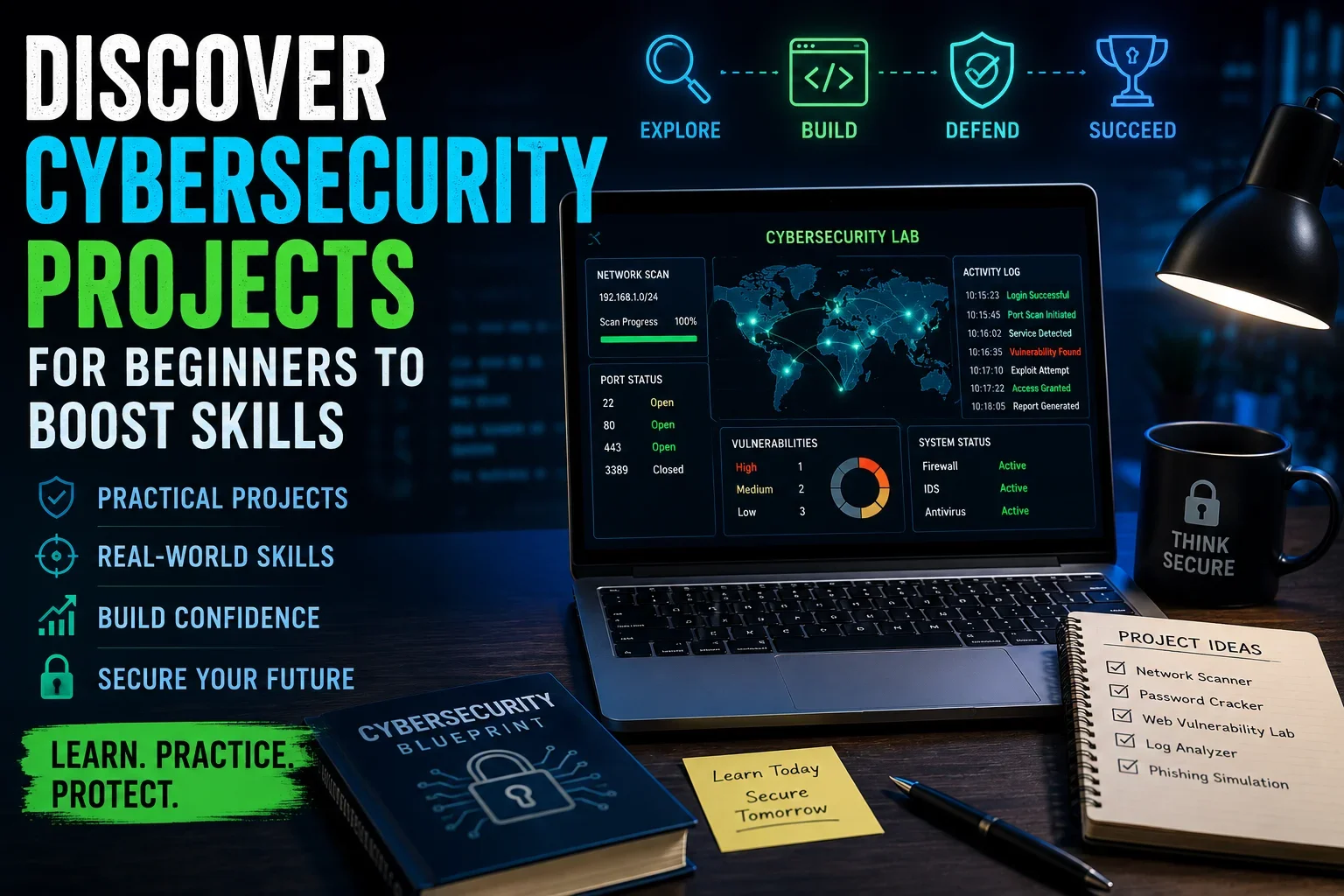
Discover Cybersecurity Projects for Beginners to Boost Skills

Starting in cybersecurity can feel overwhelming, but hands-on projects transform uncertainty into confidence. Embracing beginner-friendly projects not only sharpens skills but also builds real-world readiness, making your learning journey exciting and rewarding. Dive in and watch your expertise flourish with each challenge conquered.Unlock Your Potential with Cybersecurity Projects for BeginnersEmbarking on cybersecurity projects for beginners is the most effective way to bridge the gap between classroom knowledge and real-world application. Whether you dream of becoming a security engineer, ethical hacker, or SOC analyst, practical experience remains a cornerstone in launching your cyber security career path.By participating in hands-on security projects, you move beyond theory and gain the practical skills needed to protect networks and data against unauthorized access and digital threats.Understanding why hands-on experience is vital in cyber security: Nothing matches the retention and problem-solving growth gained from actual project work. Practice with real tools and scenarios strengthens your understanding of cyber security fundamentals and gives you an edge in future job interviews and bug bounty hunting.How beginner cybersecurity projects foster practical application: Every challenge faced and solved during a security project builds up essential skills – from configuring a detection system to running a penetration test. Projects for beginners allow you to see how concepts like network security, intrusion detection, and threat detection apply in modern IT environments.How beginner cybersecurity projects foster practical application: Tackle real-world issues with focused tasks—like scanning for open ports or securing a home lab—which encourage critical thinking and confidence as a budding security professional."Starting with small, focused projects grounds theoretical learning and empowers newcomers to tackle real-world cyber security threats." – Dr. Maya Elroy, Cybersecurity EducatorWhat You'll LearnHow to select the best cybersecurity projects for beginnersKey skills developed through DIY cybersecurity project workExpert advice and recommended project ideasStep-by-step approaches to each security projectAnswers to popular cyber security questionsGetting Started: The Basics of Cybersecurity Projects for BeginnersBefore diving into your first cybersecurity project, it’s crucial to build a strong foundation in core concepts. Start by familiarizing yourself with how digital networks function, what makes systems vulnerable, and the importance of critical areas such as confidentiality, integrity, and availability.Understanding cyber security at its roots boosts your awareness of threats like unauthorized access, SQL injection, or open ports, and prepares you for advanced tasks like ethical hacking or penetration testing.Core concepts in cyber security: Learn about network architecture, firewalls, basic encryption, and system hardening. Building the basics ensures you can recognize and mitigate threats, making each project a step-forward in your career path.Building the right foundation before tackling security projects: Consider setting up a home lab using virtual machines to safely test security tasks. Hands-on labs let you experiment with scanning your IP address, configuring a detection system, or working with open-source code and operating system controls.Choosing the right tools and platforms for your first cybersecurity project: Start with user-friendly platforms such as Kali Linux, Wireshark, and Metasploit for testing and practicing security skills. These tools are industry standards and offer comprehensive training resources for projects at every skill level."Even the simplest projects can ignite a passion for security engineering, setting you up for future success." – Ada Lin, Senior Security EngineerAs you build your foundational skills and experiment with hands-on labs, it's also important to understand how physical security measures complement digital defenses. For a practical look at why securing your environment goes beyond firewalls and software, explore physical security strategies every cyber professional should know.Top Cybersecurity Projects for Beginners: Hands-On IdeasBuild a Basic Intrusion Detection System for Network SecurityProtecting your own network is a fundamental security project for beginners. An intrusion detection system (IDS) monitors network traffic and alerts you to suspicious activity that could indicate unauthorized access or attacks. Start by exploring the core concepts of threat detection, event logging, and signature analysis, which form the backbone of most detection systems.Core concepts: Understand how IDS tools analyze packets and recognize attempts to exploit vulnerabilities or open ports in your target system.Tools needed: Platforms like Snort or Suricata allow you to experiment with detection rules and customize alerts for your home lab.Step-by-step:Install Snort on your operating systemConfigure it to capture all incoming network trafficDefine rules to trigger alerts for suspicious patternsTest your IDS by simulating benign and suspicious activitySimulate SQL Injection Attacks and Their PreventionSQL injection remains a common vulnerability affecting web applications. This cybersecurity project introduces you to understanding how attackers exploit user input to access protected databases. By simulating SQL injection in a safe environment, beginners grasp the importance of secure web development and data validation.Risks explained: SQL injection can expose sensitive data or grant attackers control over systems, highlighting the need for secure coding practices.Safe simulation: Use open-source vulnerable applications like DVWA (Damn Vulnerable Web Application) to learn how attackers target poorly validated input fields.Countermeasures: Practice simple mitigations such as prepared statements, parameterized queries, and robust input validation to block injection attempts.Cloud Security Lab: Setting Up and Securing Virtual MachinesCloud computing is a core focus in today’s cyber security landscape. This project aims to teach you cloud security by launching virtual machines, hardening their configurations, and managing access permissions using popular platforms like AWS, Azure, or Google Cloud.Cloud security fundamentals: Learn about the shared responsibility model and how access controls, network segmentation, and patching secure virtualized environments.Launching and hardening: Set up your own VM, configure firewalls to protect open ports, and regularly update the operating system to keep threats at bay. Try adding cloud-specific security tools and policies.Simple Penetration Testing: Your First Penetration TestPenetration testing represents the heart of ethical hacking, simulating real attacks against a target system to expose weaknesses. This project covers the essential techniques used in a penetration test, like reconnaissance, vulnerability scanning, and exploiting basic flaws.Penetration testing basics: Use beginner-friendly tools such as Metasploit or Kali Linux to scan for open ports, enumerate services, and attempt safe exploits in your home lab or with intentionally vulnerable virtual machines.Document your findings: Record vulnerabilities found, steps taken, and recommendations for mitigation – key for developing strong report writing skills crucial in a security job or as an aspiring security professional.Detection System Project: Monitoring Home Network TrafficYour home network can be a playground for learning network security basics. Use free network monitoring tools to visualize traffic patterns, recognize unauthorized access attempts, and detect suspicious behavior from IoT devices or unexpected open ports.Setup: Install Wireshark or similar tools, then observe and analyze packets in real-time. Investigate unfamiliar traffic, foreign IP addresses, and unapproved connections.Advanced ideas: Build password strength checkers, traffic sniffers, or even develop phishing email simulations to practice threat detection and response.Essential Skills Developed Through Cybersecurity Projects for BeginnersParticipating in cybersecurity projects unlocks a variety of essential skills, indispensable for anyone aspiring to become a security engineer or analyst. Not only will you tackle technical tasks, but you'll also develop critical thinking, documentation expertise, and the ability to communicate solutions clearly—qualities valued across the cyber security industry.Problem-solving and troubleshooting: Real-world security projects push you to solve unexpected glitches—like misconfigured detection systems or elusive IP address activity—honing your troubleshooting abilities for a future in bug bounty, web security, or security engineering.Documentation and reporting: Learning to write clearly about project goals, findings, and solutions prepares you for company audits, client reports, or advising fellow security professionals.Scripting and automation: Many projects introduce basic Python or Bash scripting, valuable for automating data collection, repetitive analysis, or even simple threat responses in your future SOC analyst role.Step-by-Step Example: How to Execute a Cybersecurity Project for BeginnersExecuting a cybersecurity project requires thoughtful planning, the right technical environment, and an iterative learning mindset. Here’s how to move from concept to completion:Plan & outline objectives: Define your project scope, target system (whether virtual, live, or simulated), and milestones. Setting clear goals—such as reducing detection time or securing open ports—keeps you on track and motivated.Setup: Build your environment, whether it’s a home lab with multiple operating systems or a cloud-based sandbox. Install necessary tools and reference documentation to troubleshoot as you progress.Test, validate, iterate: As you implement your project, continuously test assumptions, monitor for unintended outcomes, and refine your setup. Learning comes from both success and troubleshooting unexpected results.Document & present: Compile your findings in a report, prepare a short presentation, or even share results online. Reflect on what worked, what didn’t, and how you'd improve next time—a habit recognized by top security professionals.Using Source Code and Open-Source Tools in Cybersecurity Projects for BeginnersLeveraging open-source code and freely available tools is both cost-effective and educational for beginners. Many security projects start with existing frameworks, letting you focus on analysis and customizations rather than building everything from scratch.Find beginner code: Search platforms like GitHub for tags like “cybersecurity project,” “detection system,” or “cloud security lab.” Stick to repositories with clear documentation and active communities, and always download from trusted sources.Customize responsibly: Tweak configurations, scripts, or detection signatures to understand how changes affect outcomes. This hands-on modification increases both confidence and practical skill.Observe licensing: Always give credit to open-source authors, respect usage licenses, and never claim another’s work as your own—a golden rule in the professional security community.Expert Insights: Tackling Real-World Security Projects as a BeginnerReal advice: Security engineers and educators agree—start with projects small enough to finish, but challenging enough to push your boundaries. Document everything, learn from every success or mistake, and don’t hesitate to ask for feedback in online forums or from mentors.Common pitfalls: Don’t be discouraged by initial setbacks. Avoid skipping documentation and resist the urge to copy entire solutions without understanding. Maintain security hygiene by not testing against unauthorized target systems, and always secure your own data."Beginners should remember—every small cybersecurity project you complete adds up to expertise and credibility in the field." – Marcus Lane, Security AnalystThis video demonstrates a complete walkthrough of a simple beginner cybersecurity project—building a basic firewall. Follow along with screen recordings, step-by-step narration, and highlighted learning points, designed to guide you in real-time through setup, configuration, and testing, with friendly on-camera explanations.This video guide showcases the process of setting up your first intrusion detection system, covering installation, configuration, rule creation, and practical test scenarios. Gain immediate confidence monitoring network threats in your own lab environment!Table: Comparison of Popular Cybersecurity Projects for BeginnersProject TypeSkill FocusTypical ToolsComplexity LevelKey Learning OutcomeBasic Intrusion Detection SystemThreat Detection, Network AnalysisSnort, SuricataBeginnerRecognize and respond to attacksSQL Injection SimulationWeb Security, Database ProtectionDVWA, SQLmapBeginnerDefend against input-based threatsCloud Security LabCloud Architecture, Access ControlAWS/GCP/Azure, OpenVASBeginner/IntermediateHarden and secure virtual machinesPenetration Test WalkthroughVulnerability Analysis, Ethical HackingKali Linux, MetasploitBeginnerIdentify and exploit test vulnerabilitiesHome Network Traffic MonitoringTraffic Analysis, Security MonitoringWiresharkBeginnerAnalyze real-time network dataList: Common Tools Used in Cybersecurity Projects for BeginnersWiresharkKali LinuxMetasploitOpenVASSnortSQLmapNmapBurp Suite (Community Edition)DVWA (Damn Vulnerable Web Application)Key Takeaways for Cybersecurity Projects for BeginnersHands-on projects accelerate skill developmentPractical experience helps bridge the gap to real-world cyber securityContinuous learning is key in successful cyber security careersPeople Also Ask: Beginner Cybersecurity Project QuestionsWhat are some beginner cyber security projects?Newcomers to the field can start with projects like building a basic intrusion detection system, simulating SQL injection attacks in a safe environment, monitoring their home network with Wireshark, or setting up a virtual cloud lab. Other accessible ideas include creating a password strength checker, configuring a simple firewall, and simulating phishing detection. Each of these helps develop foundational cyber security and automation skills, critical for building confidence and practical expertise.Can you make $500,000 a year in cyber security?While top salaries in cyber security can be impressive, especially for highly specialized roles or consulting experts, reaching $500,000 per year typically requires significant experience, advanced certifications, and sometimes working in management or niche areas like bug bounty hunting, high-risk industries, or executive security jobs. For most beginners, the focus should be on skill development and building a strong portfolio through project work, but the earning potential in this field is undeniably strong for those who invest in continuous learning.What to learn as a beginner in cybersecurity?Start by mastering basic computer networking, operating systems, and fundamental cyber security concepts—including authentication, firewalls, encryption, and threat detection. As you progress, explore web application security, learn to use tools like Wireshark and Kali Linux, and experiment with scripting. Hands-on projects and understanding best practices will set a solid foundation for advanced ethical hacking, penetration testing, and security engineering topics.What projects to do for cybersecurity?Choose projects that align with your interests and career goals. If you're drawn to network security, focus on monitoring and intrusion detection; for web security, simulate and prevent SQL injection attacks. Interested in cloud security? Set up and harden virtual machines in a major cloud environment. Tailor project complexity to your current knowledge, gradually increasing challenges as your comfort grows to advance your portfolio.Frequently Asked Questions About Cybersecurity Projects for BeginnersWhat is the easiest cybersecurity project for beginners?Setting up network monitoring at home using Wireshark or installing a basic firewall are great entry-level projects. They require minimal setup, introduce fundamental concepts, and provide instant feedback.How do I build my portfolio with beginner security projects?Document each project clearly, save reports, take screenshots, and post summaries or code on platforms like GitHub (respecting licensing rules). This demonstrates both initiative and technical ability to future employers or educators.Are open-source security projects safe to use?Most reputable open-source projects are safe and widely used in industry. Always download from official sources, review documentation, and test within a controlled lab environment to avoid risks to personal data or networks.Where can I find step-by-step project guides?Many security education websites, YouTube channels, and GitHub repositories offer detailed walkthroughs specifically for beginners. Look for guides with clear instructions, screenshots, and explanations of outcomes.Ready to Launch Your First Cybersecurity Project?For more great IT certification training content, visit: ITCertificationJump.comIf you’re eager to keep expanding your cybersecurity toolkit, consider exploring foundational networking concepts that underpin every security project. Understanding subnetting can make tasks like network segmentation and access control far more intuitive, even if math isn’t your favorite subject.For a fun, approachable guide that demystifies IP addressing and subnetting, check out Subnetting for People Who Hate Math (But Love Snacks). Mastering these basics will empower you to design more secure environments and tackle advanced projects with confidence.References:CyberSeek – https://www.cyberseek.org/pathway.htmlCloudflare – https://www.cloudflare.com/learning/security/what-is-cyber-security/GitHub – https://github.comCybersecurityEducation.org – https://www.cybersecurityeducation.org/resources/project-ideas/Embarking on cybersecurity projects is a pivotal step for beginners aiming to bridge the gap between theoretical knowledge and practical application. Engaging in hands-on projects not only enhances technical skills but also builds confidence in tackling real-world security challenges.For a comprehensive guide to initiating your journey, consider exploring the article “Real-World Cybersecurity Project Ideas for Beginners.” This resource offers a curated list of beginner-friendly projects, such as setting up a home lab environment and performing vulnerability scanning, providing step-by-step instructions to help you gain practical experience.Additionally, the GitHub repository “Incident-Response-Projects-for-Beginners” presents hands-on projects focused on phishing investigation, malware analysis, network intrusion detection, and DDoS attack response. Engaging with these projects will equip you with essential skills in incident response and threat mitigation.If you’re serious about building a strong foundation in cybersecurity, these resources will provide you with the practical experience and knowledge necessary to advance in the field. ITCertificationJump.com

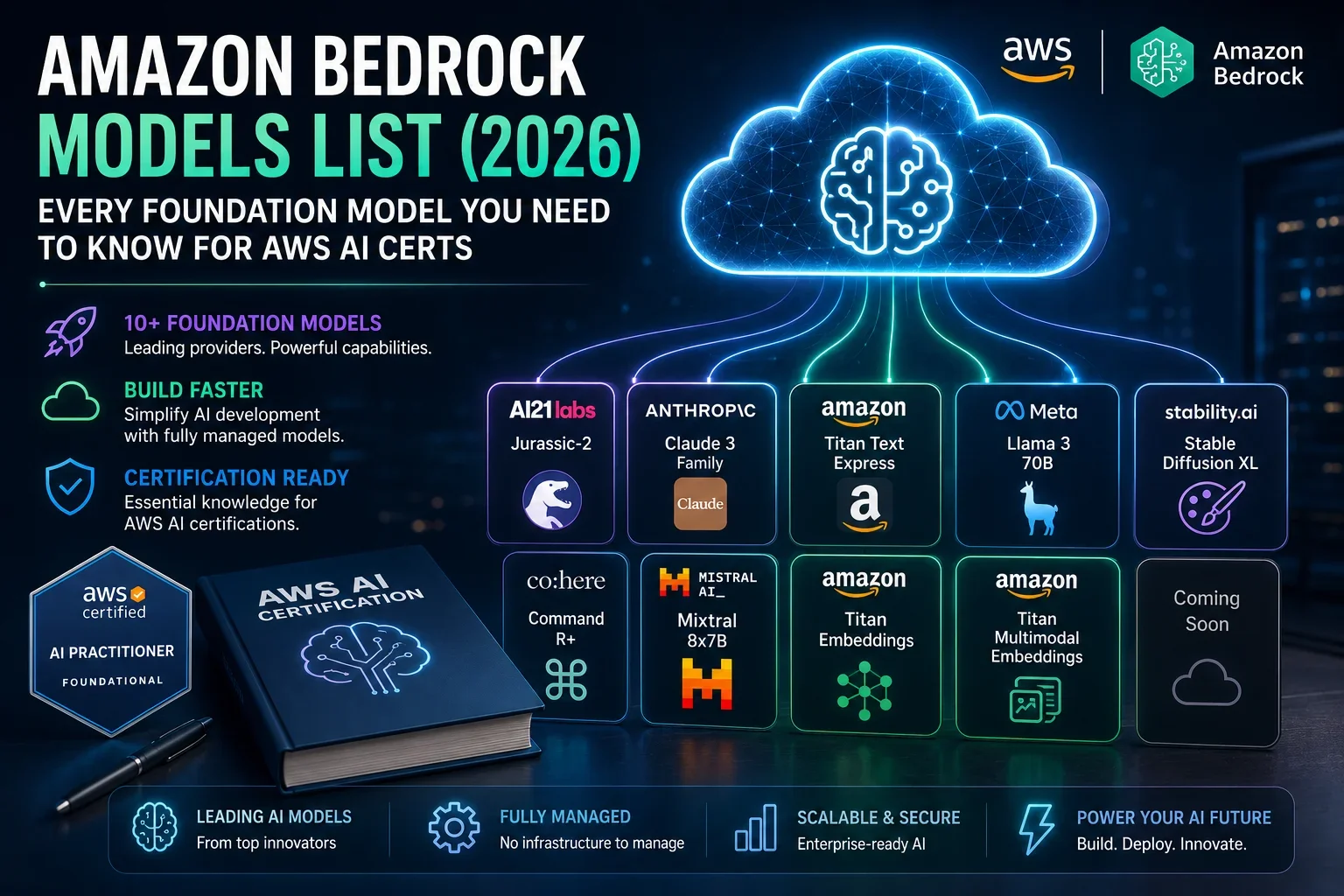
Amazon Bedrock Models List (2026): Every Foundation Model You Need to Know for AWS AI Certs

Did you know Amazon Bedrock offers over 10 foundational AI models designed to simplify building intelligent applications? Mastering these key models is essential for anyone pursuing AWS AI certifications, enabling faster, scalable, and more efficient AI solutions in today's competitive cloud landscape.In this definitive educational guide, we’ll break down the Amazon Bedrock models landscape for 2026, reveal how these provider models and foundation models align with AWS AI certification objectives, and equip you with expert strategies for choosing the right model family—so you can ace your certs and bring cutting-edge AI applications to life.Unlocking AWS AI Expertise: Why Amazon Bedrock Models Matter for Certification SuccessOverview of Amazon Bedrock modelsRelevance to AWS AI certifications and industry professionalsImpact on building modern, intelligent AI applicationsUnderstanding Amazon Bedrock models isn’t just a technical trend—it’s a core requirement for anyone looking to master AWS AI certifications and advance in cloud-based AI careers. The latest foundation models and wide selection of provider model options unlock new levels of capability, flexibility, and scalability for building AI applications. For industry professionals intent on staying relevant, Bedrock’s expanding model family choices offer a vital toolkit. Mastery of these models translates directly into success on AWS AI certification exams.Why? Because AWS is rapidly becoming the backbone for enterprise AI solutions. Foundational knowledge of Bedrock’s custom model support, image model innovations, and its open, extensible architecture means professionals can design, deploy, and maintain sophisticated generative AI systems.This expertise not only ensures cert success but also gives builders an edge in creating production-ready, scalable, and secure AI applications—meeting the growing demand for automated reasoning, intelligent prompt routing, and seamless data automation across industries.What You'll Learn About Amazon Bedrock ModelsComprehensive list of Amazon Bedrock foundation modelsInsights into provider model and foundation models for AWSExpert advice on data automation, image model, and ai applicationsHow to select the right model family for your AWS solutionsIntroducing Amazon Bedrock Models: Foundation and Provider Models BreakdownWhat is Amazon Bedrock and How Does It Power Foundation Models?The concept of foundation models in Amazon BedrockThe role of provider model in enabling custom model deploymentsCore benefits for scalable AI developmentAmazon Bedrock is AWS’s unified platform for deploying and managing foundation models from leading providers and AWS itself. These models form the backbone of next-generation ai applications—handling tasks such as language understanding, content generation, translation, summarization, and image recognition. At the heart of Bedrock is a flexible, provider model approach.This allows users to select pretrained or bring-your-own models, fine-tune them as custom models, and leverage the full spectrum of model output and advanced capabilities. Core benefits for scalable AI development include seamless integration through API calls, robust security for sensitive information, and optimizations for high-throughput, cost-efficient model inference.By centralizing foundation model access and supporting a diverse model family landscape, Amazon Bedrock empowers organizations to rapidly experiment, build, and deploy complex AI workloads. This architecture also means updates and new frontier models can be adopted quickly, enabling organizations to keep pace with advances in generative AI without reengineering their pipelines.Whether you’re deploying language models for intelligent prompt routing, harnessing image model capabilities for computer vision, or training a customized model for a unique business challenge, Bedrock acts as a single control point.For those interested in hands-on model training and understanding how foundational AI concepts translate across cloud platforms, exploring approaches to training AI models in Azure can provide valuable tactical insights. Comparing AWS Bedrock with Azure’s model training workflows helps deepen your grasp of cloud AI certification requirements and practical deployment strategies.Models from Leading Providers: Collaboration and ChoiceList of leading providers offering foundation models in Amazon BedrockThe value of open ecosystem and multiple model family supportAmazon Bedrock’s open design means it brings together models from leading providers worldwide, including AWS’s own Titan series, as well as partners like Anthropic, AI21 Labs, Cohere, Stability AI, and more. Each provider model offers distinct strengths, such as long context length, unique model output capabilities, and specific optimizations for different AI tasks.The open model family ecosystem isn’t just a technical advantage; it’s a strategic one, giving developers the freedom to choose the right foundation model for each workload without vendor lock-in."Understanding Amazon Bedrock models is now a core competency for any professional seeking AWS AI certification." — Dr. Samina Patel, AWS Certified Solutions ArchitectIn a world of rapidly evolving generative AI needs, access to a diverse array of foundation models means companies can pilot, iterate, and deploy production AI systems more quickly. It also supports advanced features like intelligent prompt routing and automated reasoning, further enabling teams to deliver innovative solutions—from chatbots and recommender systems to sophisticated analytics and computer vision platforms.Amazon Bedrock Models List: Complete Overview for 2026Provider ModelFoundation ModelModel FamilyModel TypeBest Use CaseAWS TitanTitan Text G4Text / Generative AIText Foundation ModelNatural language generation & summarizationAnthropicClaude 2 & 3Conversational AIText Foundation ModelChatbots, Q&A, complex reasoningAI21 LabsJurassic-2Text GenerationText Foundation ModelLong-form content, translationStability AIStable Diffusion 3Image GenerationImage ModelAsset creation, vision AICohereCommand RCustom ModelText/CommandSemantic search, document analysisMetaLlama 3Open ModelText Foundation ModelOpen-source pipelines, researchMistralMistral 8x22BText/Advanced ModelText Foundation ModelLarge-context tasks, AI applicationsDatabricksDBRXOpen ModelText Foundation ModelEnterprise analytics, data automationText Foundation Models in Amazon BedrockComprehensive list of text foundation modelsMain providers and model familiesAI applications best served by eachText foundation models are the cornerstone of most AWS AI cert logic and power a wide range of ai applications, from chatbot deployment to document generation. Major players on Bedrock include the Titan series by AWS, Anthropic’s Claude, AI21’s Jurassic models, and open solutions like Llama 3 and Mistral.Each provider model is optimized for specific use cases: Titan excels at summarization and scalable output, Claude is tailored for conversational AI with large context length handling, while AI21 offers strong multilingual support.When selecting a model family, consider unique features like native support for intelligent prompt routing, advanced context processing, and security protocols for handling sensitive information.For AWS certification, understanding which foundation model aligns with key skills (e. g. , API call integration, generating compliant model output, or supporting automated reasoning) sets you apart. These models are also ideal for exam scenarios that require working with custom data, text parsing, or enterprise-ready NLP tasks.Image Models and Advanced Model CapabilitiesExploration of image model features in Amazon BedrockAdvanced model capabilities and integration pathsAI applications for image recognition and computer visionImage models in Amazon Bedrock, like Stability AI’s Stable Diffusion and AWS’s own image solutions, provide essential infrastructure for computer vision and asset generation.These advanced models leverage deep learning to interpret, augment, and generate new images, making them invaluable for AI-powered design, automated surveillance, content moderation, and medical imaging applications. Integration is simple through API calls, and the model output can be routed into automated workflows.Advanced model features such as selective provisioned throughput, built-in prompt routing, and easy scaling options are crucial for organizations building production-ready solutions. Choosing the correct model family—for example, picking Stable Diffusion for creative image assets or Titan for automated visual inspection—ensures successful deployment.For AWS AI certifications, it’s essential to understand how to evaluate the right image model for contexts like data privacy, output requirements, and compliance, especially when custom workflows are needed.Custom Models and Model Family Selection in Amazon BedrockThe process of building and training custom modelsModel families suited for specialized tasks and data automationHow knowledge base integration enhances resultsWhile foundation models provide out-of-the-box power, Amazon Bedrock’s support for custom model building takes AI adoption to the next level. This process typically involves fine-tuning a provider model or starting from an existing foundation model, allowing teams to tailor the model output to specialized use cases—like legal reasoning, industry-specific jargon, or hyper-personalized content.With Bedrock, deploying a customized model is straightforward, involving training data upload, configuration of parameters such as context length, and then seamless deployment with intelligent prompt routing.Selecting the appropriate model family is essential for tasks like automated analytics (data automation), image-based workflows, or natural language understanding. Integration with the Amazon Bedrock knowledge base allows custom models to access and utilize organizational data, providing even more contextual accuracy and complex reasoning capability for your AI applications."The flexibility of custom model support in Amazon Bedrock allows organizations to tailor solutions for unique business challenges." — Linda Okafor, AI Industry AnalystData Automation and AI Applications: Leveraging Amazon Bedrock ModelsAutomating Data Workflows with Foundation ModelsStreamlining data automation with Bedrock foundation modelsExample applications in document processing and analyticsData automation is a must-have for large-scale AI projects, and Amazon Bedrock’s foundation models make this easier than ever. Automated data workflows use Bedrock models for tasks like document processing (OCR, extraction), analytics, and content categorization, feeding directly into data pipelines for faster, more accurate results.By leveraging built-in features like model inference scaling and secure API call integration, technical teams can offload repetitive, human-intensive tasks, freeing up time for high-level analysis and development.The model family chosen for data automation may depend on output requirements, input data complexity, or downstream compliance needs. AWS AI certification content frequently tests the ability to select, configure, and evaluate foundation models for automated workflows—making this a crucial practical skill. These capabilities are also vital for AI applications in finance, healthcare, and legal industries, where quick, reliable results from document analysis and data extraction are competitive differentiators.Innovative AI Applications Built on Amazon Bedrock ModelsCase examples: enterprise AI applicationsModel family selection for production-ready solutionsAmazon Bedrock serves as the engine behind innovative ai applications across industries. Enterprises leverage Bedrock’s rich model family palette to power everything from real-time translation and intelligent customer support to fraud detection and dynamic asset generation. Selecting between a custom model versus a pretrained foundation model depends on project objectives, available data, and compliance needs.Successful AWS AI certification exam scenarios often involve mapping real-world needs—like personalized recommendations, multi-language support, or instant document summarization—to the correct provider model or building a customized model on Bedrock. Knowing how to assess model versions, interpret model output, and select for specific downstream requirements sets professionals and project teams apart as they develop scalable, production-ready solutions.Amazon Bedrock Knowledge Base: Enhancing Intelligent SolutionsIntegrating the Knowledge Base with Foundation ModelsThe function of Amazon Bedrock knowledge baseEmpowering foundation models for contextual reasoningThe knowledge base is a unique feature of the Amazon Bedrock ecosystem, providing connected, trusted data that powers more accurate, context-aware foundation models. Integration is seamless—models access the knowledge base to ground their outputs, delivering results that are not only more precise but also aligned with organizational facts and requirements. This is vital for AWS AI cert objectives around contextual reasoning, as exams increasingly require test-takers to demonstrate best practices for data, privacy, and ethical AI application.By tying together AI applications with centralized information, Bedrock enables automated reasoning, complex problem-solving, and multilayered decision-making—environments where small model adjustments can make the difference between a good job and a world-class solution. This is also where custom models and the power of the knowledge base converge, supporting more nuanced and compliant AI adoption across industries.People Also Ask: Amazon Bedrock ModelsWhat are the AWS Bedrock models?AWS Bedrock models are advanced foundation models designed and hosted by Amazon and a wide range of leading AI providers. These models function as either pretrained foundation models or custom models that can be tailored to meet specific business or certification needs.Covering text foundation and image model types, each model belongs to a different model family—ensuring a suitable fit for a broad set of AI applications. They enable intelligent automation, generative AI, knowledge extraction, and more on AWS.How many models does Amazon Bedrock have?As of 2026, Amazon Bedrock offers over ten prominent foundation models and continues to expand. The exact count may change as new provider models and custom models are introduced. Each model family comes in multiple model types, such as text, image, and advanced models—with variations in context length, training data, and intended application scenarios, enabling comprehensive support for AI innovation.What foundation models are available in Amazon Bedrock?Amazon Bedrock showcases foundation models including AWS Titan, Anthropic Claude, AI21 Labs Jurassic, Stability AI’s Stable Diffusion, Cohere Command, Llama 3, Mistral, and Databricks DBRX. Each provider model offers specific model family traits—such as large-scale language understanding, fast image generation, or deep analytic capabilities—making them ideal for diverse AWS AI solutions.What is Amazon Bedrock used for?Amazon Bedrock is used to build, deploy, and manage large-scale, intelligent AI applications in the cloud. It’s essential for data automation, generative AI, and deploying scalable foundation models. Through its knowledge base and custom model support, Bedrock helps organizations accelerate time-to-value by automating tasks, enhancing productivity, and ensuring secure, compliant AI innovation.Choosing and Applying Amazon Bedrock Models for CertificationHow to align model family and provider model to cert objectivesKey foundation model preparation strategiesInsights on passing AWS AI certification exams with practical model applicationChoosing the right Amazon Bedrock models for AWS AI certifications means aligning model family strengths, provider model optimizations, and intended AI application scenarios. Start by mapping certification objectives to model capabilities: for natural language, favor text foundation models; for vision tasks, select an image model; for specialized needs, build a custom model with your data. Focus on deeply understanding each model’s API call parameters, context length limitations, and model output interpretation.Preparation strategies include practicing hands-on labs using different Bedrock models, experimenting with knowledge base integrations, and testing intelligent prompt routing between various model versions. For the exam, anticipate use cases involving both foundation and custom model deployments, covering scenarios like data automation, compliance, and generative AI scaling. Staying updated on new foundation and frontier models will keep your skills—and certifications—current in a rapidly evolving landscape.Essential FAQs on Amazon Bedrock ModelsCan I deploy multiple provider models in a single AWS solution?Yes. Amazon Bedrock supports combining multiple provider models within one AWS workflow, enabling multi-model pipelines for advanced AI applications and data automation tasks.What are the main differences between model families for text vs. image model types?Text foundation models are optimized for natural language understanding and generative output, while image models focus on processing, generating, or analyzing visual data. Model families are selected based on data input types and AI application goals.How does data automation improve using foundation models in Bedrock?Bedrock’s foundation models streamline data processing, extraction, and transformation—reducing manual effort and delivering faster, more accurate analytics for business workflows.Do custom models improve knowledge base performance?Absolutely. Custom models can be trained on your unique organizational data, allowing deeper integration with the knowledge base and better context-aware results for AI reasoning and compliance.Are updates to foundation models automatically deployed in Amazon Bedrock?Yes. Amazon Bedrock handles regular updates to foundation and provider models, ensuring you have access to the latest features, performance improvements, and security patches without application downtime.Key Takeaways for Mastering Amazon Bedrock ModelsMaster foundation models, image model, and custom model optionsLeverage model family and knowledge base for AI applicationsAlign Amazon Bedrock models to AWS certification exam successRead More on ITCertificationJump.com for Expert AWS AI TrainingFor more great IT certification training content, visit: ITCertificationJump.comIf you’re eager to expand your expertise beyond AWS and see how foundational AI model concepts apply across the cloud landscape, consider exploring how model training and deployment strategies differ in other environments. Our in-depth guide on training AI models in Azure offers a playful yet practical look at building, fine-tuning, and managing models in Microsoft’s ecosystem.By comparing AWS Bedrock with Azure’s approach, you’ll gain a broader perspective on cloud AI certifications, discover transferable skills, and unlock new strategies for real-world AI innovation—empowering you to become a truly versatile cloud AI professional.Now you’re equipped to navigate the entire Amazon Bedrock model ecosystem—leverage this knowledge for exam success and real-world AI impact.AWS Bedrock – https://aws.amazon.com/bedrock/AWS Bedrock User Guide – https://docs.aws.amazon.com/bedrock/latest/userguide/what-is-bedrock.htmlAnthropic – https://www.anthropic.comStability AI – https://www.stability.aiAI21 Labs – https://www.ai21.comAmazon Bedrock offers a diverse array of foundation models from leading AI providers, enabling developers to build and scale generative AI applications efficiently. Notable additions include OpenAI’s GPT-5.5 and GPT-5.4 models, which are now available on Amazon Bedrock, providing advanced capabilities for various AI tasks. (aboutamazon.com)Also know that Meta’s Llama 4 models, such as Llama 4 Scout 17B and Llama 4 Maverick 17B, have been integrated into Amazon Bedrock, offering enhanced performance and versatility for AI applications. (aboutamazon.com) These integrations expand the range of tools available to developers, facilitating the creation of sophisticated AI solutions on AWS.ITCertificationJump.com


How SecAI+ is Separating Modern Security Pros from the Rest of the Pack

CompTIA SecAI+: Master AI-Driven Cybersecurity Tactics with the CompTIA SecAI+ certification. Learn to outsmart threats, embrace responsible AI, and future-proof your tech career.Did you know that professionals armed with the CompTIA SecAI+ certification outpace peers by mastering cutting-edge AI-driven security tactics? In today’s cybersecurity landscape, AI systems are no longer a futuristic concept—they’re the new normal. CompTIA SecAI+ emerges as a game-changing credential, empowering savvy pros to outsmart threats, embrace responsible AI, and future-proof their tech careers.Let’s explore what makes CompTIA SecAI+ the certification separating leaders from the rest and why it’s fast becoming non-negotiable in modern cybersecurity environments.Unlocking Competitive Advantage: What You’ll Learn About CompTIA SecAI+The essentials of the CompTIA SecAI+ credential and its industry impactCore concepts of AI systems in cybersecurity as validated by CompTIA SecAI+How CompTIA SecAI+ future-proofs security careersExpert opinions and practical insights on upskilling with this certificationGaining the CompTIA SecAI+ certification isn’t just about passing an exam—it's about arming yourself with the critical, real-world tools modern cybersecurity professionals need to navigate the rapidly evolving threat landscape. The credential focuses on advanced AI and machine learning integration in cybersecurity, ensuring practitioners understand how to apply AI for smarter monitoring, swift incident response, and predictive defense.With AI adoption skyrocketing, the SecAI+ sets a powerful benchmark—for employers and employees alike. Organizations recognize that those who hold this certification are more than just security practitioners: they’re innovators ready to leverage AI technologies to stay a step ahead of the bad actors.Whether you’re entering the cybersecurity field or seeking to solidify your expertise, CompTIA SecAI+ gives you the skills to defend against emerging, sophisticated threats in modern cybersecurity environments.As you explore the unique advantages of CompTIA SecAI+, it's also valuable to understand how artificial intelligence is actively transforming specific security practices. For a closer look at the intersection of AI and penetration testing, see how AI is reshaping the penetration testing landscape and what this means for hands-on security professionals.The Rise of CompTIA SecAI+: Why It Matters to Modern Security ProsCompTIA SecAI+ is rapidly becoming the industry standard for those who wish to not just follow but lead in the age of AI-powered security. In a rapidly evolving digital world, cyber defenders face relentless innovation on both sides of the fence—threat actors are leveraging AI systems just as organizations are. This makes responsible AI expertise essential for today’s security teams.By focusing on the direct application of AI technologies to real-world security challenges, SecAI+ fills a critical gap missed by legacy certifications. It addresses risk management in AI deployments, governance, and the integration of secure AI systems into an organization’s security posture.According to industry experts, professionals who attain this credential build the skills required to anticipate, detect, and respond to threats with agility, preparing them for leadership roles in security operations.“Professionals with CompTIA SecAI+ are not just ahead of the curve—they’re building the curve in AI-driven security.”How CompTIA SecAI+ Compares: Redefining Standards for Security CertificationThere’s no shortage of cybersecurity certifications, from CEH and CISSP to the many CompTIA certifications. However, when it comes to integrating AI systems and machine learning into daily defense, few match the depth of focus found in CompTIA SecAI+. This credential is the only major certification focused specifically on AI adoption and its secure deployment in modern environments.The certified knowledge base is immediately relevant: learning how to apply AI in penetration testing, automated threat intelligence, and security controls. The demand for these unique skills reflects in the talent search of top employers—demonstrating expertise in secure AI often results in preferred status and better salary prospects.Security Certification Comparison: CompTIA SecAI+ vs. Leading AlternativesCertificationAI Systems CoverageExam DifficultyCurrent RelevanceJob Market ValueCompTIA SecAI+High – Advanced AI integration, responsible AI, and security controlsModerate (tech-focused, practical scenarios)Very High – Aligned with rapid AI adoption trendsEmerging market demandCEH (Certified Ethical Hacker)Low – Focus on traditional penetration testingHighMedium – Foundational in ethical hackingStable, general security rolesCISSPMedium – Governance, limited AI coverageHighHigh – Management, policy-centricHigh, especially for leadershipMastering AI Systems With CompTIA SecAI+: Essential Skills BreakdownApplying AI systems to threat detection and responseUsing machine learning for enhanced incident analysisIntegrating AI with traditional security protocolsCompTIA SecAI+ is designed to equip cybersecurity professionals with a deep, hands-on understanding of how to apply AI effectively within real-world environments. This means learning to analyze streams of security data, identify novel attack vectors, and deploy automated countermeasures—all fueled by advanced AI systems and machine learning. The exam and curriculum are built on practical, scenario-based problems that ensure you can translate theoretical AI knowledge into business-critical results.Not to mention, the credential reflects on growing industry needs—IT teams are seeking experts who don’t just manage static protections but proactively leverage AI’s dynamic nature. You’ll learn about the deployment environments for AI tools, how to align their use with ethical and regulatory standards, and how to integrate AI-driven incident response with existing security operations. These skills make you invaluable in organizations looking to modernize.Real-World Impact: How Security Teams Leverage CompTIA SecAI+Case studies of organizations elevating their defense postureTestimonials from successful CompTIA SecAI+ holdersOrganizations that encourage or require their teams to obtain CompTIA SecAI+ certification report measurable gains in their cybersecurity posture. For example, in one healthcare enterprise, SecAI+ holders led the implementation of AI-driven monitoring, which reduced average incident detection time by over 60%. The documented expertise in advanced AI systems allowed for a smoother integration of automation and increased regulatory confidence in security audits.Testimonials abound from professionals who have not only landed coveted roles post-certification but have been recognized as champions for next-generation cybersecurity strategies. Their feedback highlights the practical value of learning how to leverage AI technologies for continuous protection, smarter compliance, and better business outcomes. SecAI+ is paving the way for new standards in both individual and organizational success.List: Top Benefits of Earning the CompTIA SecAI+ CertificationBetter salary prospects for certified professionalsDemonstrable expertise in AI systems and security innovationPreferred status among employers seeking next-gen security talentWhen you earn CompTIA SecAI+, you unlock a spectrum of tech career opportunities—and you signal that you’re ready for the most cutting-edge roles in modern cybersecurity. Organizations are increasingly on the lookout for talent that understands the complexities of secure AI integration. SecAI+ holders are first in line for promotions, raises, and roles in AI security innovation labs.Beyond the financial impact, the certification gives you preferred status among both peer professionals and hiring managers. It’s a clear marker of your ability to apply AI for both everyday operations and strategic projects, making you indispensable as AI becomes foundational to organizational defense strategies.CompTIA SecAI+ and AI Systems in SecurityWhat is CompTIA SecAI+?CompTIA SecAI+ is a certification focused on equipping cybersecurity professionals with the tools and knowledge required to apply AI systems in securing modern digital environments. It covers AI’s use in threat detection, automated response, and ethical implementation, bridging the gap between traditional security approaches and today’s AI-driven landscape.How does CompTIA SecAI+ certification differ from other security credentials?Unlike other certifications which may overlook AI entirely or treat it as an afterthought, CompTIA SecAI+ makes AI adoption central to its curriculum. It’s designed for those who want to leverage AI technologies and machine learning, delivering immediately applicable skills for modern cybersecurity environments where threats use automation and data-driven tactics.Why is AI becoming central to modern security practices?AI enables real-time threat detection, adaptive defense mechanisms, and the capacity to analyze enormous volumes of security data beyond human capabilities. As cyber threats become more sophisticated and automated, only responsible AI and secure AI systems can keep pace, making AI central to all contemporary security operations.Can CompTIA SecAI+ certification boost career growth for IT professionals?Absolutely. CompTIA SecAI+ is recognized by top employers as proof of exceptional ability to manage advanced technology and innovate in security. It provides a competitive edge for roles in AI security, penetration testing, governance, and incident response, accelerating tech career growth and advancement into leadership.What types of roles benefit most from CompTIA SecAI+ certification?The certification benefits a wide range of professionals, especially those in security operations, penetration testing, risk management, and IT governance. It also serves specialists aiming to design, assess, or manage AI deployments—those responsible for integrating AI into a company’s core defenses.AI Systems in Practice: Transformative Security Use CasesAI in phishing detection and preventionAutomated vulnerability management with AIReal-time threat intelligence and response using machine learningAI is not just theory—it's being deployed right now to solve the hardest security problems. With CompTIA SecAI+, professionals learn how to apply AI for phishing mitigation, augmenting traditional spam filters with behavior-based detection that understands the subtle markers of spear-phishing. Automated vulnerability management leverages machine learning to scan, categorize, and even patch weaknesses at speeds no manual process could approach.Perhaps most transformative, AI-driven threat intelligence platforms leverage AI and continuous machine learning to process billions of logs, identify patterns, and warn security teams about zero-days or emerging ransomware in real time. As enterprises demand more from their defenses, SecAI+ equips pros to drive this evolution.Overcoming Challenges: Preparation Tips for the CompTIA SecAI+ ExamRecommended study strategies for mastering AI system conceptsUseful resources for CompTIA SecAI+ aspirantsPreparing for the CompTIA SecAI+ exam requires a focus on both theory and application. Start by studying foundational AI and machine learning principles as they pertain to cybersecurity—using an official learning product, such as the CompTIA expansion series, can help. Integrate practical labs and simulated scenarios to solidify how advanced AI is deployed for problem-solving, compliance, and risk management.Leverage community forums, reputable gov websites, and up-to-date online courses to keep pace with rapidly evolving threats and solutions. Practice applying your knowledge in mock environments using AI tools for incident response and security automation. The more hands-on, the better: CompTIA SecAI+ rewards practical proficiency above memorization.FAQs: CompTIA SecAI+ and the Next Generation of Security ProfessionalsHow often is the CompTIA SecAI+ exam updated for new AI threats?The CompTIA SecAI+ certification is periodically reviewed and updated to keep pace with the rapidly evolving landscape of AI-driven attacks and defense solutions. This ensures that certified professionals remain at the top of modern cybersecurity best practices.Is previous AI experience necessary to pursue CompTIA SecAI+?While previous AI experience is helpful, it’s not mandatory. CompTIA SecAI+ is designed with a broad audience in mind, providing sufficient groundwork in AI systems and applications for those with traditional IT and security backgrounds.What continuing education is recommended after earning CompTIA SecAI+?After achieving SecAI+, consider progressing with further CompTIA certifications or specialized tracks in AI security and advanced risk management. Staying current with expansion series and official learning products is also advised.Key Takeaways: Positioning Yourself as a Leader with CompTIA SecAI+CompTIA SecAI+ is increasingly a benchmark for AI security expertiseModern security roles prioritize AI-driven skillsetsCertification opens doors to advancement and influenceSecAI+ is rapidly becoming the “gold standard” for those wanting to lead in AI security. Professionals and organizations alike are restructuring teams and hiring practices around those with validated AI-driven skills—marking you as an influencer for tomorrow’s security solutions.Future security professionals will look to SecAI+ as the beginning of a journey towards mastery in secure AI systems and incident response, ultimately setting you apart in the job market and inside your organization.Also take a look at these:The “Ghost in the Machine” Strategy: Building a Cyber Career Without a DegreeHow to Break Into Cybersecurity Without Prior IT ExperienceCybersecurity Specialist vs Cybersecurity Technician vs IT Security Specialist: What’s the Difference (and Why Should You Care)?Conclusion: Why CompTIA SecAI+ Is Non-Negotiable for Future Security LeadersThe world of cybersecurity is changing—and with CompTIA SecAI+, you become a force for innovation and resilience, defining what it means to lead and protect in an AI-first world.If you’re inspired to deepen your expertise in AI-driven security, consider broadening your perspective on how artificial intelligence is revolutionizing the entire penetration testing field. Exploring the evolving relationship between human pentesters and AI-powered tools can reveal new strategies for staying ahead of cyber threats.For a comprehensive look at these industry shifts and to discover advanced approaches that can further elevate your security career, visit how artificial intelligence is changing the penetration testing landscape. Embracing these insights will help you remain agile and innovative as the cybersecurity landscape continues to evolve.For more great IT certification training content, visit: ITCertificationJump.comThe CompTIA SecAI+ certification is a pivotal credential for cybersecurity professionals aiming to integrate artificial intelligence into their security practices. For a comprehensive understanding of this certification, consider exploring the official CompTIA SecAI+ page, which details the skills you’ll acquire, exam specifics, and how it positions you at the forefront of AI-driven security. (comptia. org)Also, the article “What Is CompTIA SecAI+ and Who Is It For?” provides insights into the certification’s relevance, the skills it validates, and its role in bridging the gap between traditional cybersecurity and AI systems. (comptia. org)If you’re ready to level up in the fast-moving world of AI-powered cybersecurity, these resources won’t just pad your résumé — they’ll sharpen your skills, boost your credibility, and put you in position to lead instead of chase the curve.ITCertificationJump.com

© 2026 IT Certification Jump All Rights Reserved. Reston, VA 20190, , . Contact Us . Terms of Service . Privacy Policy

eyJjb21wYW55IjoiSVQgQ2VydGlmaWNhdGlvbiBKdW1wIiwiYWRkcmVzcyI6IlJlc3RvbiwgVkEgMjAxOTAiLCJjaXR5IjoiICIsInN0YXRlIjoiICIsInppcCI6IiAiLCJlbWFpbCI6InN1cHBvcnRAaXRjamdyb3VwLmNvbSIsInRvcyI6IlBIQStQSE4wY205dVp6NDhaVzArVjJobGJpQjViM1VnYzJsbmJpMXBiaUIzYVhSb0lIVnpMQ0I1YjNVZ1lYSmxJR2RwZG1sdVp5WnVZbk53T3lCNWIzVnlJSEJsY20xcGMzTnBiMjRnWVc1a0lHTnZibk5sYm5RZ2RHOGdjMlZ1WkNCNWIzVWdaVzFoYVd3Z1lXNWtMMjl5SUZOTlV5QjBaWGgwSUcxbGMzTmhaMlZ6TGlCQ2VTQmphR1ZqYTJsdVp5QjBhR1VnVkdWeWJYTWdZVzVrSUVOdmJtUnBkR2x2Ym5NZ1ltOTRJR0Z1WkNCaWVTQnphV2R1YVc1bklHbHVJSGx2ZFNCaGRYUnZiV0YwYVdOaGJHeDVJR052Ym1acGNtMGdkR2hoZENCNWIzVWdZV05qWlhCMElHRnNiQ0IwWlhKdGN5QnBiaUIwYUdseklHRm5jbVZsYldWdWRDNDhMMlZ0UGp3dmMzUnliMjVuUGp3dmNENEtDanh3UGp4aElHaHlaV1k5SW1oMGRIQTZMeTkzZDNjdVoyOXZaMnhsTG1OdmJTSSthSFIwY0RvdkwzZDNkeTVuYjI5bmJHVXVZMjl0UEM5aFBqd3ZjRDRLQ2p4d1BpWnVZbk53T3p3dmNENEtDanh3UGp4emRISnZibWMrVTBWU1ZrbERSVHd2YzNSeWIyNW5Qand2Y0Q0S0NqeHdQbGRsSUhCeWIzWnBaR1VnWVNCelpYSjJhV05sSUhSb1lYUWdZM1Z5Y21WdWRHeDVJR0ZzYkc5M2N5QjViM1VnZEc4Z2NtVmpaV2wyWlNCeVpYRjFaWE4wY3lCbWIzSWdabVZsWkdKaFkyc3NJR052YlhCaGJua2dhVzVtYjNKdFlYUnBiMjRzSUhCeWIyMXZkR2x2Ym1Gc0lHbHVabTl5YldGMGFXOXVMQ0JqYjIxd1lXNTVJR0ZzWlhKMGN5d2dZMjkxY0c5dWN5d2daR2x6WTI5MWJuUnpJR0Z1WkNCdmRHaGxjaUJ1YjNScFptbGpZWFJwYjI1eklIUnZJSGx2ZFhJZ1pXMWhhV3dnWVdSa2NtVnpjeUJoYm1RdmIzSWdZMlZzYkhWc1lYSWdjR2h2Ym1VZ2IzSWdaR1YyYVdObExpQlpiM1VnZFc1a1pYSnpkR0Z1WkNCaGJtUWdZV2R5WldVZ2RHaGhkQ0IwYUdVZ1UyVnlkbWxqWlNCcGN5QndjbTkyYVdSbFpDQW1jWFZ2ZER0QlV5MUpVeVp4ZFc5ME95QmhibVFnZEdoaGRDQjNaU0JoYzNOMWJXVWdibThnY21WemNHOXVjMmxpYVd4cGRIa2dabTl5SUhSb1pTQjBhVzFsYkdsdVpYTnpMQ0JrWld4bGRHbHZiaXdnYldsekxXUmxiR2wyWlhKNUlHOXlJR1poYVd4MWNtVWdkRzhnYzNSdmNtVWdZVzU1SUhWelpYSWdZMjl0YlhWdWFXTmhkR2x2Ym5NZ2IzSWdjR1Z5YzI5dVlXeHBlbUYwYVc5dUlITmxkSFJwYm1kekxqd3ZjRDRLQ2p4d1BsbHZkU0JoY21VZ2NtVnpjRzl1YzJsaWJHVWdabTl5SUc5aWRHRnBibWx1WnlCaFkyTmxjM01nZEc4Z2RHaGxJRk5sY25acFkyVWdZVzVrSUhSb1lYUWdZV05qWlhOeklHMWhlU0JwYm5admJIWmxJSFJvYVhKa0lIQmhjblI1SUdabFpYTWdLSE4xWTJnZ1lYTWdVMDFUSUhSbGVIUWdiV1Z6YzJGblpYTXNJRWx1ZEdWeWJtVjBJSE5sY25acFkyVWdjSEp2ZG1sa1pYSWdiM0lnWTJWc2JIVnNZWElnWVdseWRHbHRaU0JqYUdGeVoyVnpLUzRnV1c5MUlHRnlaU0J5WlhOd2IyNXphV0pzWlNCbWIzSWdkR2h2YzJVZ1ptVmxjeXdnYVc1amJIVmthVzVuSUhSb2IzTmxJR1psWlhNZ1lYTnpiMk5wWVhSbFpDQjNhWFJvSUhSb1pTQmthWE53YkdGNUlHOXlJR1JsYkdsMlpYSjVJRzltSUdWaFkyZ2dVMDFUSUhSbGVIUWdiV1Z6YzJGblpTQnpaVzUwSUhSdklIbHZkU0JpZVNCMWN5NGdTVzRnWVdSa2FYUnBiMjRzSUhsdmRTQnRkWE4wSUhCeWIzWnBaR1VnWVc1a0lHRnlaU0J5WlhOd2IyNXphV0pzWlNCbWIzSWdZV3hzSUdWeGRXbHdiV1Z1ZENCdVpXTmxjM05oY25rZ2RHOGdZV05qWlhOeklIUm9aU0JUWlhKMmFXTmxJR0Z1WkNCeVpXTmxhWFpsSUhSb1pTQlRUVk1nZEdWNGRDQnRaWE56WVdkbGN5NGdWMlVnWkc4Z2JtOTBJR05vWVhKblpTQmhibmtnWm1WbGN5Qm1iM0lnWkdWc2FYWmxjbmtnYjJZZ1pXMWhhV3dnYjNJZ1UwMVRMaUJVYUdseklHbHpJR0VnWm5KbFpTQnpaWEoyYVdObElIQnliM1pwWkdWa0lHSjVJSFZ6TGlCSWIzZGxkbVZ5TENCd2JHVmhjMlVnWTJobFkyc2dkMmwwYUNCNWIzVnlJR2x1ZEdWeWJtVjBJSE5sY25acFkyVWdjSEp2ZG1sa1pYSWdZVzVrSUdObGJHeDFiR0Z5SUdOaGNuSnBaWElnWm05eUlHRnVlU0JqYUdGeVoyVnpJSFJvWVhRZ2JXRjVJR2x1WTNWeUlHRnpJR0VnY21WemRXeDBJR1p5YjIwZ2NtVmpaV2wyYVc1bklHVnRZV2xzSUdGdVpDQlRUVk1nZEdWNGRDQnRaWE56WVdkbGN5QjBhR0YwSUhkbElHUmxiR2wyWlhJZ2RYQnZiaUI1YjNWeUlHOXdkQzFwYmlCaGJtUWdjbVZuYVhOMGNtRjBhVzl1SUhkcGRHZ2diM1Z5SUdWdFlXbHNJR0Z1WkNCVFRWTWdjMlZ5ZG1salpYTXVJRmx2ZFNCallXNGdZMkZ1WTJWc0lHRjBJR0Z1ZVNCMGFXMWxMaUJLZFhOMElIUmxlSFFnSm5GMWIzUTdVMVJQVUNaeGRXOTBPeUIwYnlBOGFHbG5hR3hwWjJoMElHTnNZWE56UFNKamIyMXdZVzU1VUdodmJtVlZjR1JoZEdVaVBpc3hPVEU1TlRrd056ZzROend2YUdsbmFHeHBaMmgwUGk0Z1FXWjBaWElnZVc5MUlITmxibVFnZEdobElGTk5VeUJ0WlhOellXZGxJQ1p4ZFc5ME8xTlVUMUFtY1hWdmREc2dkRzhnZFhNc0lIZGxJSGRwYkd3Z2MyVnVaQ0I1YjNVZ1lXNGdVMDFUSUcxbGMzTmhaMlVnZEc4Z1kyOXVabWx5YlNCMGFHRjBJSGx2ZFNCb1lYWmxJR0psWlc0Z2RXNXpkV0p6WTNKcFltVmtMaUJCWm5SbGNpQjBhR2x6TENCNWIzVWdkMmxzYkNCdWJ5QnNiMjVuWlhJZ2NtVmpaV2wyWlNCVFRWTWdiV1Z6YzJGblpYTWdabkp2YlNCMWN5NDhMM0ErQ2dvOGNENDhjM1J5YjI1blBsbFBWVklnVWtWSFNWTlVVa0ZVU1U5T0lFOUNURWxIUVZSSlQwNVRQQzl6ZEhKdmJtYytQQzl3UGdvS1BIQStTVzRnWTI5dWMybGtaWEpoZEdsdmJpQnZaaUI1YjNWeUlIVnpaU0J2WmlCMGFHVWdVMlZ5ZG1salpTd2dlVzkxSUdGbmNtVmxJSFJ2T2p3dmNENEtDanh2YkQ0S0NUeHNhVDV3Y205MmFXUmxJSFJ5ZFdVc0lHRmpZM1Z5WVhSbExDQmpkWEp5Wlc1MElHRnVaQ0JqYjIxd2JHVjBaU0JwYm1admNtMWhkR2x2YmlCaFltOTFkQ0I1YjNWeWMyVnNaaUJoY3lCd2NtOXRjSFJsWkNCaWVTQjBhR1VnVTJWeWRtbGpaU1lqTXprN2N5QnlaV2RwYzNSeVlYUnBiMjRnWm05eWJTQW9jM1ZqYUNCcGJtWnZjbTFoZEdsdmJpQmlaV2x1WnlCMGFHVWdKbkYxYjNRN1VtVm5hWE4wY21GMGFXOXVJRVJoZEdFbWNYVnZkRHNwSUdGdVpEd3ZiR2srQ2drOGJHaytiV0ZwYm5SaGFXNGdZVzVrSUhCeWIyMXdkR3g1SUhWd1pHRjBaU0IwYUdVZ1VtVm5hWE4wY21GMGFXOXVJRVJoZEdFZ2RHOGdhMlZsY0NCcGRDQjBjblZsTENCaFkyTjFjbUYwWlN3Z1kzVnljbVZ1ZENCaGJtUWdZMjl0Y0d4bGRHVXVJRWxtSUhsdmRTQndjbTkyYVdSbElHRnVlU0JwYm1admNtMWhkR2x2YmlCMGFHRjBJR2x6SUhWdWRISjFaU3dnYVc1aFkyTjFjbUYwWlN3Z2JtOTBJR04xY25KbGJuUWdiM0lnYVc1amIyMXdiR1YwWlN3Z2IzSWdkMlVnYUdGMlpTQnlaV0Z6YjI1aFlteGxJR2R5YjNWdVpITWdkRzhnYzNWemNHVmpkQ0IwYUdGMElITjFZMmdnYVc1bWIzSnRZWFJwYjI0Z2FYTWdkVzUwY25WbExDQnBibUZqWTNWeVlYUmxMQ0J1YjNRZ1kzVnljbVZ1ZENCdmNpQnBibU52YlhCc1pYUmxMQ0IzWlNCb1lYWmxJSFJvWlNCeWFXZG9kQ0IwYnlCemRYTndaVzVrSUc5eUlEeHpkSEp2Ym1jK1BITndZVzRnYzNSNWJHVTlJbU52Ykc5eU9pTkdSakF3TURBN0lqNTBaWEp0YVc1aGRHVWdlVzkxY2lCaFkyTnZkVzUwTDNCeWIyWnBiR1VnWVc1a0lISmxablZ6WlNCaGJua2dZVzVrSUdGc2JDQmpkWEp5Wlc1MElHOXlJR1oxZEhWeVpTQjFjMlVnYjJZZ2RHaGxJRk5sY25acFkyVWdLRzl5SUdGdWVTQndiM0owYVc5dUlIUm9aWEpsYjJZcExqd3ZjM0JoYmo0OEwzTjBjbTl1Wno0OEwyeHBQZ284TDI5c1Bnb0tQSEErSm01aWMzQTdQQzl3UGdvOGFHbG5hR3hwWjJoMElHTnNZWE56UFNKamIyMXdZVzU1VG1GdFpWVndaR0YwWlNJK1NWUWdRMlZ5ZEdsbWFXTmhkR2x2YmlCS2RXMXdQQzlvYVdkb2JHbG5hSFErUEdKeUlDOCtDanhvYVdkb2JHbG5hSFFnWTJ4aGMzTTlJbU52YlhCaGJubEJaR1J5WlhOelZYQmtZWFJsSWo1U1pYTjBiMjRzSUZaQklESXdNVGt3TENBc0lEd3ZhR2xuYUd4cFoyaDBQanhpY2lBdlBnbzhhR2xuYUd4cFoyaDBJR05zWVhOelBTSmpiMjF3WVc1NVVHaHZibVZWY0dSaGRHVWlQaXN4T1RFNU5Ua3dOemc0Tnp3dmFHbG5hR3hwWjJoMFBqeGljaUF2UGdvOGFHbG5hR3hwWjJoMElHTnNZWE56UFNKamIyMXdZVzU1UlcxaGFXeFZjR1JoZEdVaVBuTjFjSEJ2Y25SQWFYUmphbWR5YjNWd0xtTnZiVHd2YUdsbmFHeHBaMmgwUGc9PSIsInByaXZhY3kiOiJQSEErUEhOMGNtOXVaejVRVWtsV1FVTlpQQzl6ZEhKdmJtYytQQzl3UGdvS1BIQStQSE4wY205dVp6NVVhR1VnYVc1bWIzSnRZWFJwYjI0Z2NISnZkbWxrWldRZ1pIVnlhVzVuSUhSb2FYTWdjbVZuYVhOMGNtRjBhVzl1SUdseklHdGxjSFFnY0hKcGRtRjBaU0JoYm1RZ1kyOXVabWxrWlc1MGFXRnNMQ0JoYm1RZ2QybHNiQ0J1WlhabGNpQmlaU0JrYVhOMGNtbGlkWFJsWkN3Z1kyOXdhV1ZrTENCemIyeGtMQ0IwY21Ga1pXUWdiM0lnY0c5emRHVmtJR2x1SUdGdWVTQjNZWGtzSUhOb1lYQmxJRzl5SUdadmNtMHVJRlJvYVhNZ2FYTWdiM1Z5SUdkMVlYSmhiblJsWlM0OEwzTjBjbTl1Wno0OEwzQStDZ284Y0Q0OGMzUnliMjVuUGtsT1JFVk5Ua2xVV1R3dmMzUnliMjVuUGp3dmNENEtDanh3UGp4bGJUNVpiM1VnWVdkeVpXVWdkRzhnYVc1a1pXMXVhV1o1SUdGdVpDQm9iMnhrSUhWekxDNGdZVzVrSUdsMGN5QnpkV0p6YVdScFlYSnBaWE1zSUdGbVptbHNhV0YwWlhNc0lHOW1abWxqWlhKekxDQmhaMlZ1ZEhNc0lHTnZMV0p5WVc1a1pYSnpJRzl5SUc5MGFHVnlJSEJoY25SdVpYSnpMQ0JoYm1RZ1pXMXdiRzk1WldWekxDQm9ZWEp0YkdWemN5Qm1jbTl0SUdGdWVTQmpiR0ZwYlNCdmNpQmtaVzFoYm1Rc0lHbHVZMngxWkdsdVp5QnlaV0Z6YjI1aFlteGxJR0YwZEc5eWJtVjVjeVlqTXprN0lHWmxaWE1zSUcxaFpHVWdZbmtnWVc1NUlIUm9hWEprSUhCaGNuUjVJR1IxWlNCMGJ5QnZjaUJoY21semFXNW5JRzkxZENCdlppQkRiMjUwWlc1MElIbHZkU0J5WldObGFYWmxMQ0J6ZFdKdGFYUXNJSEpsY0d4NUxDQndiM04wTENCMGNtRnVjMjFwZENCdmNpQnRZV3RsSUdGMllXbHNZV0pzWlNCMGFISnZkV2RvSUhSb1pTQlRaWEoyYVdObExDQjViM1Z5SUhWelpTQnZaaUIwYUdVZ1UyVnlkbWxqWlN3Z2VXOTFjaUJqYjI1dVpXTjBhVzl1SUhSdklIUm9aU0JUWlhKMmFXTmxMQ0I1YjNWeUlIWnBiMnhoZEdsdmJpQnZaaUIwYUdVZ1ZFOVRMQ0J2Y2lCNWIzVnlJSFpwYjJ4aGRHbHZiaUJ2WmlCaGJua2djbWxuYUhSeklHOW1JR0Z1YjNSb1pYSXVQQzlsYlQ0OEwzQStDZ284Y0Q0OGMzUnliMjVuUGtSSlUwTk1RVWxOUlZJZ1QwWWdWMEZTVWtGT1ZFbEZVend2YzNSeWIyNW5Qand2Y0Q0S0NqeHdQanh6ZEhKdmJtYytXVTlWSUVWWVVGSkZVMU5NV1NCVlRrUkZVbE5VUVU1RUlFRk9SQ0JCUjFKRlJTQlVTRUZVT2p3dmMzUnliMjVuUGp3dmNENEtDanh2YkQ0S0NUeHNhVDVaVDFWU0lGVlRSU0JQUmlCVVNFVWdVMFZTVmtsRFJTQkpVeUJCVkNCWlQxVlNJRk5QVEVVZ1VrbFRTeTRnVkVoRklGTkZVbFpKUTBVZ1NWTWdVRkpQVmtsRVJVUWdUMDRnUVU0Z0puRjFiM1E3UVZNZ1NWTW1jWFZ2ZERzZ1FVNUVJQ1p4ZFc5ME8wRlRJRUZXUVVsTVFVSk1SU1p4ZFc5ME95QkNRVk5KVXk0Z0xDNGdRVTVFSUZWVExDQkpWQ1lqTXprN1V5QkRWVk5VVDAxRlVsTXNJRVZZVUZKRlUxTk1XU0JFU1ZORFRFRkpUVk1nUVV4TUlGZEJVbEpCVGxSSlJWTWdUMFlnUVU1WklFdEpUa1FzSUZkSVJWUklSVklnUlZoUVVrVlRVeUJQVWlCSlRWQk1TVVZFTENCSlRrTk1WVVJKVGtjc0lFSlZWQ0JPVDFRZ1RFbE5TVlJGUkNCVVR5QlVTRVVnU1UxUVRFbEZSQ0JYUVZKU1FVNVVTVVZUSUU5R0lFMUZVa05JUVU1VVFVSkpURWxVV1N3Z1JrbFVUa1ZUVXlCR1QxSWdRU0JRUVZKVVNVTlZURUZTSUZCVlVsQlBVMFVnUVU1RUlFNVBUaTFKVGtaU1NVNUhSVTFGVGxRdVBDOXNhVDRLQ1R4c2FUNU5RVXRGVXlCT1R5QlhRVkpTUVU1VVdTQlVTRUZVSUNocEtTQlVTRVVnVTBWU1ZrbERSU0JYU1V4TUlFMUZSVlFnV1U5VlVpQlNSVkZWU1ZKRlRVVk9WRk1zSUNocGFTa2dWRWhGSUZORlVsWkpRMFVnVjBsTVRDQkNSU0JWVGtsT1ZFVlNVbFZRVkVWRUxDQlVTVTFGVEZrc0lGTkZRMVZTUlN3Z1QxSWdSVkpTVDFJdFJsSkZSU3dnS0dscGFTa2dWRWhGSUZKRlUxVk1WRk1nVkVoQlZDQk5RVmtnUWtVZ1QwSlVRVWxPUlVRZ1JsSlBUU0JVU0VVZ1ZWTkZJRTlHSUZSSVJTQlRSVkpXU1VORklGZEpURXdnUWtVZ1FVTkRWVkpCVkVVZ1QxSWdVa1ZNU1VGQ1RFVXNJRUZPUkNBb2FYWXBJRUZPV1NCRlVsSlBVbE1nU1U0Z1ZFaEZJRk5QUmxSWFFWSkZJRmRKVEV3Z1FrVWdRMDlTVWtWRFZFVkVMand2YkdrK0NnazhiR2srUVU1WklFMUJWRVZTU1VGTUlFUlBWMDVNVDBGRVJVUWdUMUlnVDFSSVJWSlhTVk5GSUU5Q1ZFRkpUa1ZFSUZSSVVrOVZSMGdnVkVoRklGVlRSU0JQUmlCVVNFVWdVMFZTVmtsRFJTQkpVeUJFVDA1RklFRlVJRmxQVlZJZ1QxZE9JRVJKVTBOU1JWUkpUMDRnUVU1RUlGSkpVMHNnUVU1RUlGUklRVlFnV1U5VklGZEpURXdnUWtVZ1UwOU1SVXhaSUZKRlUxQlBUbE5KUWt4RklFWlBVaUJCVGxrZ1JFRk5RVWRGSUZSUElGbFBWVklnUTA5TlVGVlVSVklnVTFsVFZFVk5JRTlTSUV4UFUxTWdUMFlnUkVGVVFTQlVTRUZVSUZKRlUxVk1WRk1nUmxKUFRTQlVTRVVnUkU5WFRreFBRVVFnVDBZZ1FVNVpJRk5WUTBnZ1RVRlVSVkpKUVV3dVBDOXNhVDRLQ1R4c2FUNU9UeUJCUkZaSlEwVWdUMUlnU1U1R1QxSk5RVlJKVDA0c0lGZElSVlJJUlZJZ1QxSkJUQ0JQVWlCWFVrbFVWRVZPTENCUFFsUkJTVTVGUkNCQ1dTQlpUMVVnUmxKUFRTQlBVaUJVU0ZKUFZVZElJRTlTSUVaU1QwMGdWRWhGSUZORlVsWkpRMFVnVTBoQlRFd2dRMUpGUVZSRklFRk9XU0JYUVZKU1FVNVVXU0JPVDFRZ1JWaFFVa1ZUVTB4WklGTlVRVlJGUkNCSlRpQlVTRVVnVkU5VExqd3ZiR2srQ2p3dmIydytDZ284Y0Q0OGMzUnliMjVuUGt4SlRVbFVRVlJKVDA0Z1QwWWdURWxCUWtsTVNWUlpQQzl6ZEhKdmJtYytQQzl3UGdvS1BIQStXVTlWSUVWWVVGSkZVMU5NV1NCVlRrUkZVbE5VUVU1RUlFRk9SQ0JCUjFKRlJTQlVTRUZVSUVGT1JDQlRTRUZNVENCT1QxUWdRa1VnVEVsQlFreEZJRVpQVWlCQlRsa2dSRWxTUlVOVUxDQkpUa1JKVWtWRFZDd2dTVTVEU1VSRlRsUkJUQ3dnVTFCRlEwbEJUQ3dnUTA5T1UwVlJWVVZPVkVsQlRDQlBVaUJGV0VWTlVFeEJVbGtnUkVGTlFVZEZVeXdnU1U1RFRGVkVTVTVISUVKVlZDQk9UMVFnVEVsTlNWUkZSQ0JVVHl3Z1JFRk5RVWRGVXlCR1QxSWdURTlUVXlCUFJpQlFVazlHU1ZSVExDQkhUMDlFVjBsTVRDd2dWVk5GTENCRVFWUkJJRTlTSUU5VVNFVlNJRWxPVkVGT1IwbENURVVnVEU5VFUwVlRJQ2hGVmtWT0lFbEdJRWhCVXlCQ1JVVk9JRUZFVmtsVFJVUWdUMFlnVkVoRklGQlBVMU5KUWtsTVNWUlpJRTlHSUZOVlEwZ2dSRUZOUVVkRlV5a3NJRkpGVTFWTVZFbE9SeUJHVWs5Tk9qd3ZjRDRLQ2p4dmJENEtDVHhzYVQ1VVNFVWdWVk5GSUU5U0lGUklSU0JKVGtGQ1NVeEpWRmtnVkU4Z1ZWTkZJRlJJUlNCVFJWSldTVU5GT3p3dmJHaytDZ2s4YkdrK1ZFaEZJRU5QVTFRZ1QwWWdVRkpQUTFWU1JVMUZUbFFnVDBZZ1UxVkNVMVJKVkZWVVJTQkhUMDlFVXlCQlRrUWdVMFZTVmtsRFJWTWdVa1ZUVlV4VVNVNUhJRVpTVDAwZ1FVNVpJRWRQVDBSVExDQkVRVlJCTENCSlRrWlBVazFCVkVsUFRpQlBVaUJUUlZKV1NVTkZVeUJRVlZKRFNFRlRSVVFnVDFJZ1QwSlVRVWxPUlVRZ1QxSWdUVVZUVTBGSFJWTWdVa1ZEUlVsV1JVUWdUMUlnVkZKQlRsTkJRMVJKVDA1VElFVk9WRVZTUlVRZ1NVNVVUeUJVU0ZKUFZVZElJRTlTSUVaU1QwMGdWRWhGSUZORlVsWkpRMFU3UEM5c2FUNEtDVHhzYVQ1VlRrRlZWRWhQVWtsYVJVUWdRVU5EUlZOVElGUlBJRTlTSUVGTVZFVlNRVlJKVDA0Z1QwWWdXVTlWVWlCVVVrRk9VMDFKVTFOSlQwNVRJRTlTSUVSQlZFRTdQQzlzYVQ0S0NUeHNhVDVUVkVGVVJVMUZUbFJUSUU5U0lFTlBUa1JWUTFRZ1QwWWdRVTVaSUZSSVNWSkVJRkJCVWxSWklFOU9JRlJJUlNCVFJWSldTVU5GT3lCUFVqd3ZiR2srQ2drOGJHaytRVTVaSUU5VVNFVlNJRTFCVkZSRlVpQlNSVXhCVkVsT1J5QlVUeUJVU0VVZ1UwVlNWa2xEUlM0OEwyeHBQZ284TDI5c1Bnb0tQSEErUEhVK1Fua2djbVZuYVhOMFpYSnBibWNnWVc1a0lITjFZbk5qY21saWFXNW5JSFJ2SUc5MWNpQmxiV0ZwYkNCaGJtUWdVMDFUSUhObGNuWnBZMlVzSUdKNUlHOXdkQzFwYml3Z2IyNXNhVzVsSUhKbFoybHpkSEpoZEdsdmJpQnZjaUJpZVNCbWFXeHNhVzVuSUc5MWRDQmhJR05oY21Rc0lDWnhkVzkwTzNsdmRTQmhaM0psWlNCMGJ5QjBhR1Z6WlNCVVJWSk5VeUJQUmlCVFJWSldTVU5GSm5GMWIzUTdJR0Z1WkNCNWIzVWdZV05yYm05M2JHVmtaMlVnWVc1a0lIVnVaR1Z5YzNSaGJtUWdkR2hsSUdGaWIzWmxJSFJsY20xeklHOW1JSE5sY25acFkyVWdiM1YwYkdsdVpXUWdZVzVrSUdSbGRHRnBiR1ZrSUdadmNpQjViM1VnZEc5a1lYa3VQQzkxUGp3dmNENEtDanh3UGladVluTndPend2Y0Q0S1BHaHBaMmhzYVdkb2RDQmpiR0Z6Y3owaVkyOXRjR0Z1ZVU1aGJXVlZjR1JoZEdVaVBrbFVJRU5sY25ScFptbGpZWFJwYjI0Z1NuVnRjRHd2YUdsbmFHeHBaMmgwUGp4aWNpQXZQZ284YUdsbmFHeHBaMmgwSUdOc1lYTnpQU0pqYjIxd1lXNTVRV1JrY21WemMxVndaR0YwWlNJK1VtVnpkRzl1TENCV1FTQXlNREU1TUN3Z0xDQThMMmhwWjJoc2FXZG9kRDQ4WW5JZ0x6NEtQR2hwWjJoc2FXZG9kQ0JqYkdGemN6MGlZMjl0Y0dGdWVWQm9iMjVsVlhCa1lYUmxJajRyTVRreE9UVTVNRGM0T0RjOEwyaHBaMmhzYVdkb2RENDhZbklnTHo0S1BHaHBaMmhzYVdkb2RDQmpiR0Z6Y3owaVkyOXRjR0Z1ZVVWdFlXbHNWWEJrWVhSbElqNXpkWEJ3YjNKMFFHbDBZMnBuY205MWNDNWpiMjA4TDJocFoyaHNhV2RvZEQ0PSJ9

Terms of Service

Privacy Policy

Core Modal Title

Sorry, no results found

You Might Find These Articles Interesting

T
Please Check Your Email
We Will Be Following Up Shortly
*
*
*